PM Modi's Tiruchirappalli Rally: A Game Changer for Tamil Nadu Politics Ahead of 2026 Elections
Synopsis
The political scene in Tamil Nadu is heating up as Prime Minister Modi's rally in Tiruchirappalli sets the stage for the upcoming 2026 assembly elections. BJP state chief Nainar Nagendran emphasizes the event's significance in instigating change and criticizes the current government.
Key Takeaways
Political Landscape: The rally signifies heightened political activity as the 2026 assembly elections approach.
Development Focus: PM Modi's visits often bring substantial development projects to Tamil Nadu.
Critique of DMK: The BJP is positioning itself against the current state government led by M.K.
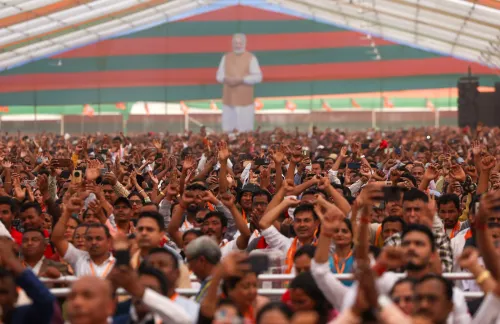
Massive Support: The NDA rally attracted a crowd of over 500,000 supporters.
Future Governance: Emphasis on a 'double-engine' government to enhance collaboration with the Centre.
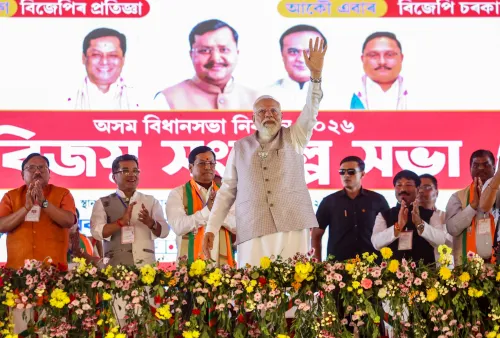
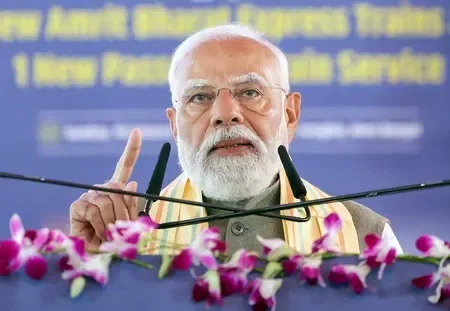
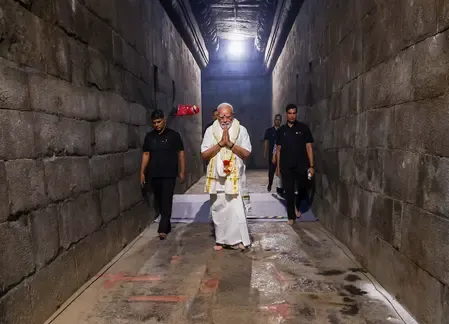
Tiruchirappalli, March 11 (NationPress) The political landscape in Tamil Nadu is rapidly evolving as the state gears up for the 2026 assembly elections. A significant public gathering of the National Democratic Alliance (NDA) took place in the Panchpur region of Tiruchirappalli on Wednesday, where Prime Minister Narendra Modi took to the stage to address the crowd.
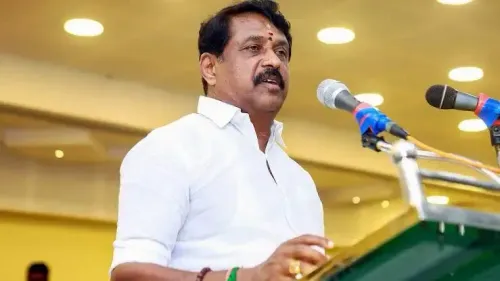
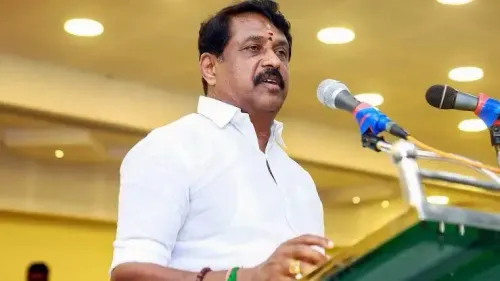
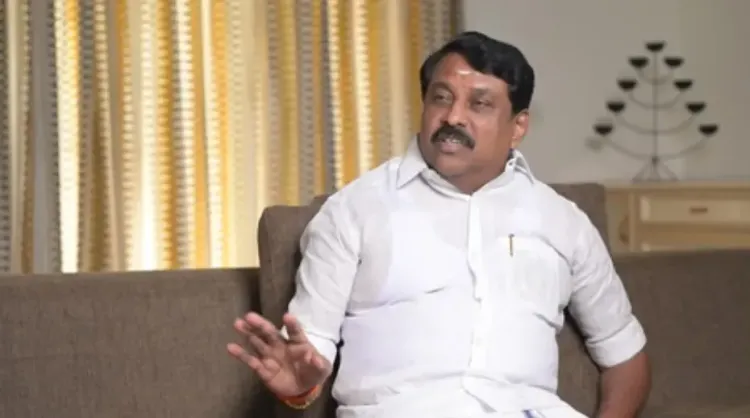
Following the event, Nainar Nagendran, president of the Tamil Nadu BJP, remarked that this rally would act as a pivotal stepping stone towards altering the current state government.
In a conversation with IANS, Nagendran pointed out, “Prime Minister Narendra Modi has made three visits to Tamil Nadu, each time bringing along development projects valued between Rs 4,000 and 5,000 crore as ‘gifts for the people.’ This occasion was no different, with several new initiatives announced.”
He directed his criticism towards Chief Minister M.K. Stalin, asserting that, despite Stalin's claims of the central government providing nothing to the state, the truth is that the Centre has rolled out multiple schemes and funding opportunities.
Nagendran further emphasized that the Rockfort area of Trichy is positioned to play a crucial role in ushering in a transformative change in governance.
The rally attracted a massive turnout of NDA supporters. A BJP activist from Perambalur district, Karthikeyan, presented a unique gift to the Prime Minister—a wooden idol of Lord Ram. He commented, “In the past, there was resistance to placing idols of Ram in Tamil Nadu, but with the Prime Minister's commitment to the Ram temple in Ayodhya, Ram has found a place in every home. This idol serves as a tribute to that reality.”
The event is perceived as a strategic move by the NDA as they prepare for the 2026 Tamil Nadu assembly elections, with the coalition claiming an audience of over 500,000 attendees.
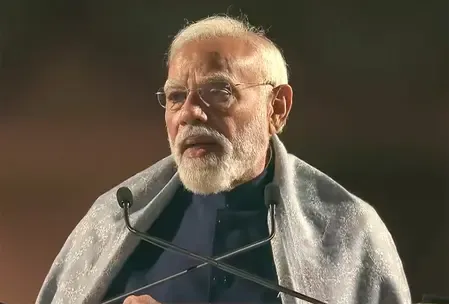
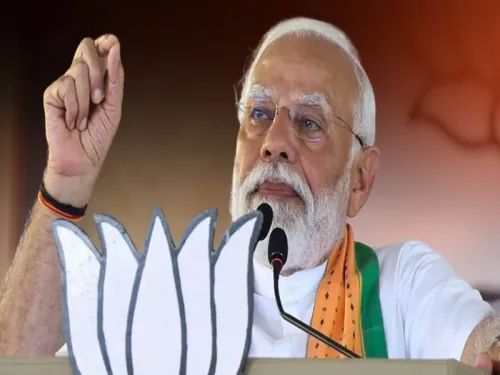
In his speech, PM Modi targeted the DMK and stressed the importance of establishing a ‘double-engine’ government in the state—one that collaborates with the Centre to propel development.
Point of View
Highlighting the BJP's strategic efforts to leverage Prime Minister Modi's influence ahead of the 2026 assembly elections. As the NDA rallies its supporters, the focus on collaborative governance raises critical questions about the state's future leadership.
NationPress
19 Sept 2026
Frequently Asked Questions
What was the purpose of PM Modi's rally in Tiruchirappalli?
The rally aimed to galvanize support for the BJP and the NDA ahead of the 2026 Tamil Nadu assembly elections, with a focus on promoting development initiatives.
How did Nainar Nagendran describe the impact of the rally?
Nagendran indicated that the rally would serve as a strong foundation for effecting change in the current state government.
What projects were announced during the rally?
During the rally, PM Modi announced several new development projects valued between Rs 4,000 and 5,000 crore.
What criticism did PM Modi direct towards the DMK?
PM Modi emphasized the necessity of a 'double-engine' government that works in harmony with the Centre to enhance development in Tamil Nadu.
What was the significance of the idol presented to PM Modi?
The wooden idol of Lord Ram represented a cultural shift in Tamil Nadu, symbolizing acceptance of Ram in homes following the Prime Minister's support for the Ram temple in Ayodhya.