Mahua Moitra Calls RTI, PIL Activists to Jantar Mantar Protest

Synopsis
TMC MP Mahua Moitra has called on RTI filers, PIL petitioners and accountability activists to assemble at Jantar Mantar in central Delhi, anticipating a heavy Delhi Police presence but insisting peaceful demonstrators will find ways through. The June 3, 2026 post revives debate over shrinking space for citizen-led oversight in the national capital.
Key Takeaways
TMC MP Mahua Moitra posted the call on X at 12:05 pm IST on June 3, 2026.
She invited those who 'question, seek accountability, file RTIs, file PILs' to Jantar Mantar.
Her post warned that Delhi Police would be present with lathis but promised peaceful protest.
Jantar Mantar is Delhi's historic protest ground, used during the 2011 Anna Hazare anti-corruption agitation.
The Right to Information Act, 2005 remains the key statutory tool for citizen access to government records.
The post highlights ongoing friction between transparency mechanisms and tightening protest permissions.
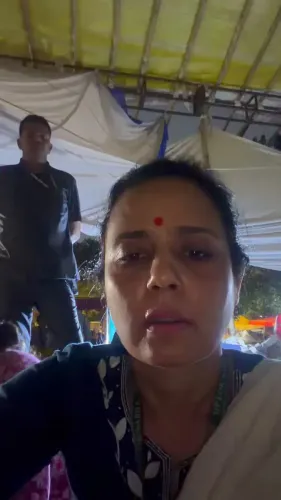
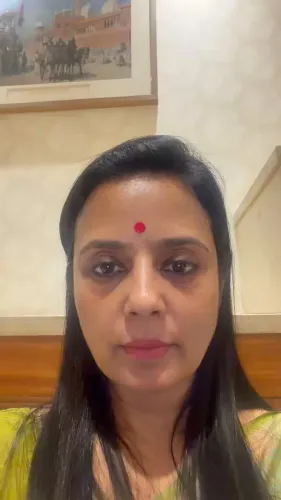
TMC MP Mahua Moitra on Wednesday issued a pointed call on X urging citizens who file Right to Information requests and Public Interest Litigations to converge at Jantar Mantar in central Delhi, framing the gathering as a peaceful assertion of accountability rights. The Krishnanagar Lok Sabha member from the All India Trinamool Congress warned that the Delhi Police would be present with lathis, but insisted demonstrators would still find ways to make their voices heard. Her post, accompanied by a video, was published at 12:05 pm IST on June 3, 2026.
In her message, Moitra wrote, 'All roaches and parasites: those who love to question, seek accountability, file RTIs, file PILs — Jantar Mantar beckons. Delhi Police will be waiting with dandas but peaceful cockroaches know how to find the cracks!' The phrasing appears to reclaim a pejorative label, casting transparency campaigners as resilient citizens who will navigate restrictions on public protest.
Context
Moitra, a second-term parliamentarian, has built much of her political profile around questions of institutional accountability, parliamentary procedure and executive transparency. Her appeal to RTI users and PIL petitioners situates the call within a constituency of activists, lawyers and civil-society groups that routinely engage state institutions through formal disclosure and litigation mechanisms.
The choice of Jantar Mantar is deliberate. The central Delhi site has functioned for decades as the capital's designated protest ground, hosting movements ranging from farmers' unions to anti-corruption campaigners. It was the staging point for the Anna Hazare-led agitation in 2011 demanding a Lokpal, a mobilisation that drew sustained national attention.
Policy backdrop
The Right to Information Act, 2005 remains the principal statutory tool through which Indian citizens can seek government records, and Public Interest Litigation has long been a constitutional pathway for raising matters of public importance before the higher judiciary. Both instruments have produced significant disclosures and judicial interventions over the past two decades.
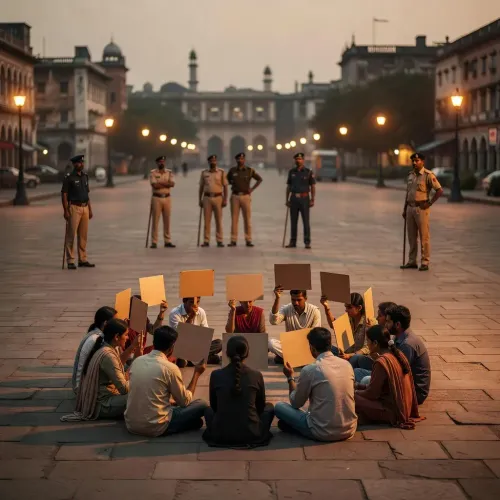
At the same time, successive administrations have layered new restrictions on demonstrations at Jantar Mantar, citing security considerations and traffic management in the heart of Lutyens' Delhi. Barricading, capped attendance and tighter permission regimes have pushed several protest groups towards smaller dharnas, online campaigns or alternative venues when formal clearances are denied.
Stakeholders and impact
Moitra's call directly addresses three overlapping constituencies: RTI activists who file information requests at the central and state levels, PIL petitioners who approach High Courts and the Supreme Court, and broader civil-society networks engaged in governance monitoring. For these groups, public assembly at Jantar Mantar has historically served as a visibility mechanism complementing their formal legal work.
The reference to dandas (lathis) and 'cracks' signals an expectation of friction with the Delhi Police, which administers protest permissions in the national capital. The force has previously cited public-order grounds when limiting the size and duration of demonstrations at the site.
For the Trinamool Congress, the post extends the party's national positioning on accountability themes beyond West Bengal, with Moitra continuing to act as one of its most prominent voices in Delhi-centred political debate.
What's next
The immediate test will be the size and conduct of any gathering that materialises at Jantar Mantar following the call, and whether Delhi Police grants standard permissions for such an assembly. Civil-society watchers will also be tracking any fresh directions from the Delhi High Court on protest regulation, as well as any administrative changes affecting RTI filing procedures.
Beyond the specific event, Moitra's intervention reopens a familiar national conversation about the space available for citizen-led oversight outside Parliament and the courts. Whether the post translates into a sustained mobilisation or remains a symbolic rallying cry will shape how transparency advocates calibrate their next steps in the capital.
Point of View
She is appealing to a relatively small but influential cohort that shapes governance discourse through documentation and litigation. The reclaimed slur 'cockroaches' is rhetorically sharp, but the substantive question is whether such calls can revive sustained street-level activism at a venue where permissions have steadily tightened. Expect this to feed into a broader debate on the boundaries of legitimate dissent in Delhi.
NationPress
20 Oct 2026
Frequently Asked Questions
What did Mahua Moitra say in her Jantar Mantar post?
Mahua Moitra called on people who file RTIs, file PILs and seek accountability to gather at Jantar Mantar in Delhi. She warned that Delhi Police would be present with lathis but said 'peaceful cockroaches know how to find the cracks'.
Why is Jantar Mantar significant for protests in India?
Jantar Mantar in central Delhi is the capital's designated protest site and has hosted major movements for decades. It was the focal point of the Anna Hazare-led anti-corruption agitation in 2011 demanding a Lokpal.
Which constituency does Mahua Moitra represent?
Mahua Moitra is the Lok Sabha MP from Krishnanagar in West Bengal. She represents the All India Trinamool Congress in Parliament.
What is the Right to Information Act referenced in the post?
The Right to Information Act, 2005 is central legislation that lets Indian citizens request records and information from public authorities. It is widely used by activists and journalists to seek transparency in government functioning.
Has Delhi Police restricted protests at Jantar Mantar?
Delhi Police manages permissions, barricading and crowd control for demonstrations at Jantar Mantar. Successive administrations have layered restrictions citing security and traffic management, prompting many groups to scale down gatherings or shift to alternative formats.