Mahua Moitra demands Amit Shah explain firing orders in Parliament
Synopsis
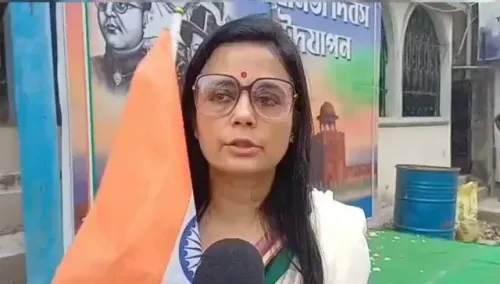
TMC MP Mahua Moitra has demanded Union Home Minister Amit Shah appear in Parliament to explain firing orders she attributes to DCP North and a DCP acting as Executive Magistrate — both of whom report directly to the Ministry of Home Affairs, which controls Delhi Police.
Key Takeaways
TMC MP Mahua Moitra has publicly demanded Home Minister Amit Shah appear in Parliament to explain firing orders in Delhi.
She names two officers — DCP North and a DCP acting as Executive Magistrate — as having issued the orders to fire.
Delhi Police reports directly to the Union Ministry of Home Affairs , making the Home Minister the political head responsible for the force.
The Executive Magistrate designation is legally significant as it authorises use of force to disperse assemblies under the Code of Criminal Procedure.
The Ministry of Home Affairs had not issued a response as of publication.
Whether the matter gets listed for a parliamentary debate will determine if the demand moves beyond a social media post into formal accountability proceedings.
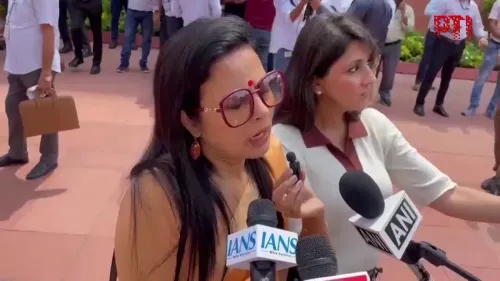
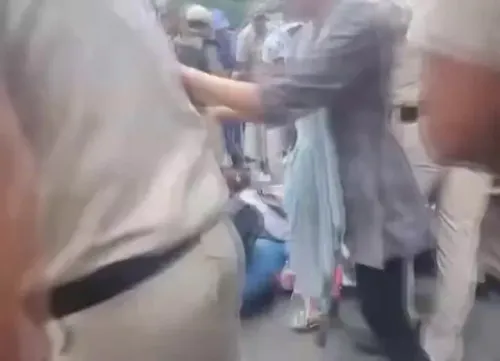
A direct line of command is at the centre of a sharp political demand. TMC MP Mahua Moitra on Thursday, 30 July 2026, called out Union Home Minister Amit Shah over firing orders she says were issued by two senior Delhi Police officers — and she wants answers on the floor of Parliament.
The chain of command Moitra is pointing to
Moitra's post names two specific officials: the DCP North and a DCP acting in Executive Magistrate capacity, both of whom she says gave orders to open fire. Her argument is structural — both officers sit inside a chain of command that runs directly to the Ministry of Home Affairs. 'DCP North and the DCP in Exe Magistrate capacity gave orders to fire — both report to Amit Shah — he needs to come to Parliament and explain,' she wrote.
Delhi Police has operated under the Union Ministry of Home Affairs since Delhi's reorganisation as a Union Territory, a constitutional arrangement that makes the Home Minister the political head responsible for the force's actions. That is precisely the lever Moitra is pulling.
Why the Executive Magistrate angle sharpens the accountability question
The invocation of an officer acting in Executive Magistrate capacity is significant. Under the Code of Criminal Procedure, an Executive Magistrate can authorise use of force to disperse unlawful assemblies — a power that sits at the intersection of police and civil administration. When a police officer wears both hats, the question of who sanctioned what becomes legally and politically loaded. Moitra's framing suggests she believes the order was not a rogue act but one with institutional sanction.
Opposition members have periodically demanded that the Home Minister address Parliament on incidents involving police use of force in Delhi, citing precisely this chain of command. The pattern is familiar; the specific incident Moitra references here could not be independently verified from available information at the time of publication.
What a parliamentary explanation would require
For Shah to 'come to Parliament and explain' — as Moitra demands — the matter would need to be raised through a formal mechanism: a starred or unstarred question, a calling-attention motion, or a motion for an adjournment debate. Opposition parties have used all three in the past to compel ministerial statements on Delhi Police conduct. Whether the matter gets listed in the current session will be the first test of whether this demand moves beyond social media.
The Ministry of Home Affairs had not issued any statement in response as of publication. The ball is now in Parliament's procedural court — and Moitra has made clear she intends to keep it there.
Point of View
But its structural logic is hard to dismiss: Delhi Police's direct subordination to the MHA means any use of force by its officers carries a political chain of command that ends at the Home Minister's desk. The invocation of the Executive Magistrate role adds a legal dimension that could make this harder to deflect as a routine policing matter. If the opposition can get this listed for a parliamentary debate, it forces the government to either defend the orders on the record or explain why it cannot — both uncomfortable positions. The broader pattern of opposition demands over Delhi Police conduct suggests this is as much about building a political narrative ahead of the session as it is about any single incident.
NationPress
13 Sept 2026
Frequently Asked Questions
Why does Mahua Moitra say Amit Shah must explain the firing orders?
Because Delhi Police reports directly to the Union Ministry of Home Affairs, which Amit Shah heads. Moitra argues that since both the DCP North and the DCP acting as Executive Magistrate gave the firing orders and both ultimately report to Shah, the Home Minister is politically accountable and must explain the decision in Parliament.
What is an Executive Magistrate and why does it matter here?
An Executive Magistrate is an officer empowered under the Code of Criminal Procedure to authorise use of force to disperse unlawful assemblies. When a police officer also holds this designation, they can legally order firing — making the question of who sanctioned the order both legally and politically significant.
Does Delhi Police report to the Delhi government or the Centre?
Delhi Police reports to the Union Ministry of Home Affairs, not the Delhi state government. This is because Delhi is a Union Territory with special status, and law and order there falls under central government jurisdiction.
How can opposition MPs force a Home Minister to explain in Parliament?
Opposition MPs can raise the matter through starred or unstarred questions, a calling-attention motion, or an adjournment debate motion. If listed and admitted by the Speaker, these mechanisms compel a ministerial response on the floor of the House.
What is Mahua Moitra's party and her role in Parliament?
Mahua Moitra is a Lok Sabha MP from Krishnanagar, West Bengal, representing the All India Trinamool Congress. She is known for raising pointed parliamentary questions on central government accountability, particularly involving Delhi Police and the Ministry of Home Affairs.