Parliament Monsoon Session 2026: All-Party Meet Called Ahead of July 20 Start
Synopsis
Parliament's Monsoon Session 2026 opens on 20 July with a packed agenda — women's reservation, One Nation One Election, and a bill that could automatically remove a sitting PM from office. But the session's real drama may unfold before a single bill is debated: a fractured Opposition and shifting MP loyalties are set to redraw the floor arithmetic before the first gavel falls.
Key Takeaways
The Centre has called an all-party meeting on 19 July at 11 am at Parliament House Annexe ahead of the Monsoon Session.
Parliament's Monsoon Session 2026 runs from 20 July to 13 August , covering 19 sittings .
Lok Sabha Speaker Om Birla will rule on the merger of 20 rebel TMC MPs with the NCPI and 6 Uddhav Sena MPs with Eknath Shinde's Shiv Sena.
The 131st Constitution Amendment Bill (women's reservation) and the One Nation, One Election Bill are among the priority items on the legislative agenda.
The 130th Constitution Amendment Bill proposes automatic removal of the PM or chief ministers held in judicial custody for 30 consecutive days in serious crime cases.
The ruling NDA is expected to gain floor strength as the Opposition INDIA bloc faces defections and internal rifts.
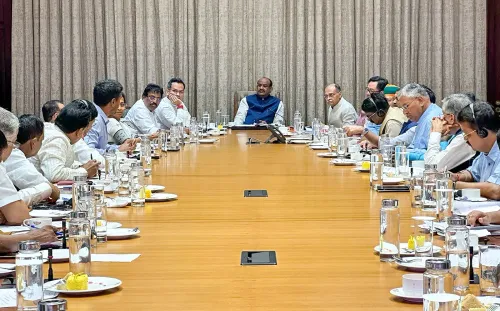
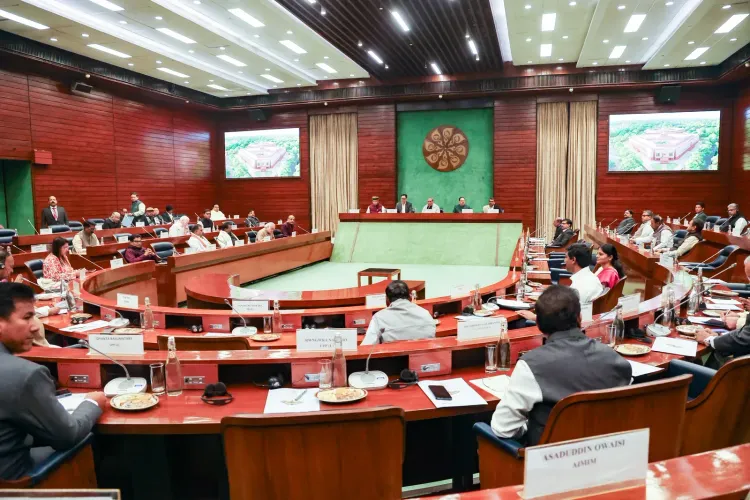
The Centre has convened an all-party meeting on Sunday, 19 July ahead of the commencement of Parliament's Monsoon Session 2026, which begins on 20 July and runs through 13 August. The meeting, scheduled for 11 am at the Main Committee Room, Parliament House Annexe, New Delhi, is aimed at securing cross-party cooperation for the smooth functioning of both Houses.
Session at a Glance
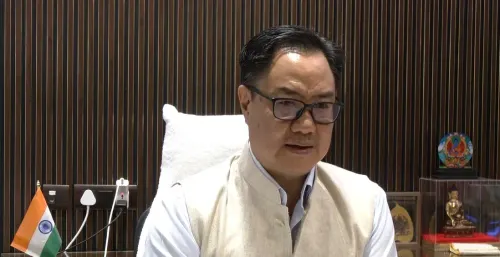
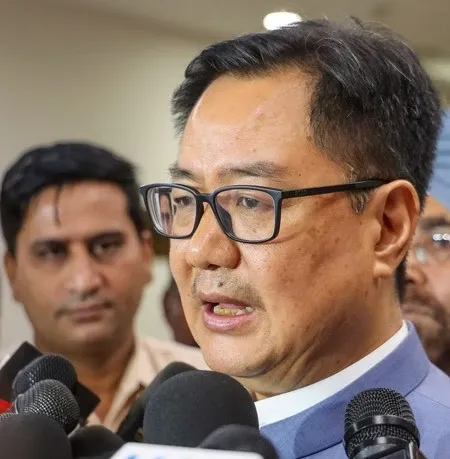
The Monsoon Session 2026 will span 19 sittings over roughly four weeks. Union Parliamentary Affairs Minister Kiren Rijiju announced the schedule on X, quoting President Droupadi Murmu's approval of the summoning of both Houses. 'The session will commence on 20 July, 2026 and continue till 13 August, 2026 for meaningful debate, discussion and decisions on issues of National Importance,' Rijiju posted.
Shifting Parliamentary Arithmetic
The session opens against a backdrop of significant flux in Opposition ranks. Divisions within the All India Trinamool Congress (TMC), a rift between the Dravida Munnetra Kazhagam (DMK) and the Indian National Congress (Congress), and departures from the Uddhav Sena are expected to alter the composition of both Houses. The ruling National Democratic Alliance (NDA) is anticipated to strengthen its numerical position, while the Opposition INDIA bloc faces a likely reduction in effective strength.
Lok Sabha Speaker Om Birla is set to rule on the proposed merger of 20 rebel TMC MPs with the lesser-known NCPI, and separately on the merger of six Uddhav Sena MPs with Eknath Shinde's Shiv Sena. Meanwhile, the DMK has written to the Speaker seeking fresh seating arrangements for its MPs, separate from the Congress bench — a direct consequence of the Congress–TVK alliance in Tamil Nadu.
Key Bills on the Agenda
The legislative calendar is packed. The 131st Constitution Amendment Bill on women's reservation and delimitation — rejected in the previous session — is expected to be prioritised. The government is also anticipated to introduce the 130th Constitution Amendment Bill, which proposes the automatic removal of chief ministers, state ministers, and the Prime Minister from office if they remain in judicial custody for 30 consecutive days in cases involving serious crimes.
The One Nation, One Election Bill is also likely to figure on the Centre's agenda, along with the FCRA Bill, the Viksit Bharat Shiksha Adhishthan Bill, and the Anti-Doping Bill. Bills to replace an ordinance increasing the number of Supreme Court judges, and legislation covering the Code on Wages Central Rules, corporate law, and the Securities Market Code, may also be tabled.
What to Watch
With the Opposition bloc weakened and a heavy legislative docket, the government enters the session with stronger numbers and ambitious reform targets. Whether the all-party meeting on Sunday translates into a functional consensus — or descends into the adjournment politics that has marred recent sessions — will set the tone for the weeks ahead.
Point of View
But because Opposition attrition has done the arithmetic for it. The TMC split, the DMK-Congress fissure, and the Uddhav Sena defections are structural, not tactical, and they arrive just as the Centre tables its most constitutionally consequential agenda in a decade. The 130th Amendment Bill — which could remove a sitting Prime Minister from office by judicial custody alone — deserves far more scrutiny than it is receiving; its implications for executive accountability cut both ways. And if the One Nation, One Election Bill clears committee, the 2029 electoral calendar could look very different from anything India has seen before.
NationPress
18 Oct 2026
Frequently Asked Questions
When does Parliament's Monsoon Session 2026 begin and end?
The Monsoon Session 2026 commences on 20 July 2026 and concludes on 13 August 2026 , covering 19 sittings across roughly four weeks. President Droupadi Murmu approved the summoning of both Houses on the recommendation of the government.
What is the all-party meeting on 19 July about?
The Centre has called an all-party meeting at 11 am on 19 July at the Main Committee Room, Parliament House Annexe, to seek cooperation from all political parties for the smooth functioning of both Houses during the Monsoon Session.
What are the major bills expected in the Monsoon Session 2026?
Key bills include the 131st Constitution Amendment Bill on women's reservation and delimitation, the 130th Constitution Amendment Bill on automatic removal of senior officeholders under judicial custody, the One Nation One Election Bill, the FCRA Bill, the Viksit Bharat Shiksha Adhishthan Bill, and the Anti-Doping Bill, among others.
What does the 130th Constitution Amendment Bill propose?
The 130th Constitution Amendment Bill proposes the automatic removal of the Prime Minister, chief ministers, and state ministers from office if they are held in judicial custody for 30 consecutive days in cases involving serious crimes. The bill had not been tabled before this session.
How will Opposition defections affect the Monsoon Session?
Splits in the TMC, a rift between the DMK and Congress, and departures from the Uddhav Sena are expected to reduce the effective strength of the Opposition INDIA bloc. Lok Sabha Speaker Om Birla will also decide on the merger of 20 rebel TMC MPs and 6 Uddhav Sena MPs with rival factions, which could further shift the floor arithmetic in favour of the NDA.