Mahua Moitra: Opposition Raised Host of Issues at All-Party Meet
Synopsis
TMC MP Mahua Moitra reported on 19 July 2026 that opposition parties raised a host of issues at the all-party meeting ahead of the parliamentary session, signalling a charged pre-session atmosphere and a coordinated opposition agenda.
Key Takeaways
TMC MP Mahua Moitra posted on 19 July 2026 that opposition parties raised multiple issues at the all-party meeting.
All-party meetings are convened by the government before each parliamentary session as a consultative forum.
The post signals broad, multi-party opposition participation rather than a single party's concerns.
Specific issues raised at the July 2026 meeting have not yet been publicly detailed.
The tone and outcome of the upcoming parliamentary session will reflect how the government responds to the concerns flagged.
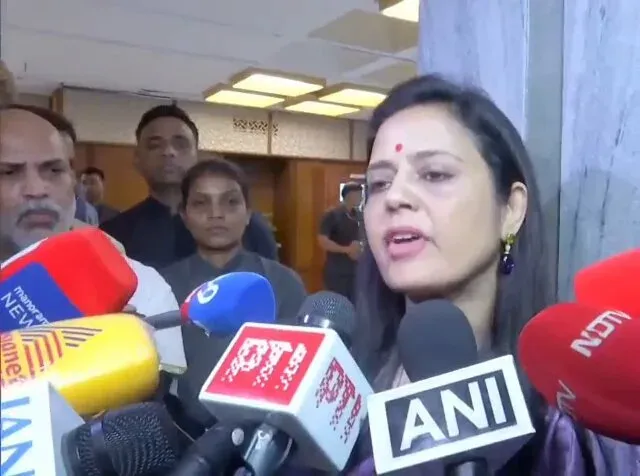
TMC MP Mahua Moitra on Sunday, 19 July 2026, reported that opposition parties raised a host of issues at the all-party meeting convened ahead of the upcoming parliamentary session. The post, shared on X, signals a charged pre-session atmosphere as multiple parties sought to place their concerns on record before proceedings begin.
Context
All-party meetings are a standing feature of India's parliamentary calendar, convened by the government before each session to allow ruling and opposition parties to flag priorities and procedural concerns. Moitra, a vocal Lok Sabha MP from Krishnanagar, West Bengal, has consistently used such forums and their aftermath to draw public attention to opposition positions.
Her post noted that 'a host of issues were raised by opposition parties' — a formulation that suggests broad, multi-party participation rather than a single party's grievances. The brevity of the statement, combined with the video attached, indicates the post was meant to signal collective opposition intent ahead of the session.
Policy Backdrop
All-party meetings have been a recurring mechanism across successive governments, convened before both the monsoon and winter sessions of Parliament. They serve as a consultative forum — not a decision-making body — where parties can surface differences before floor proceedings begin.
The meetings have historically addressed a wide range of concerns: from procedural rules and suspension of question hour to substantive policy disputes on legislation, foreign policy, and economic matters. Opposition participation and public statements following such meetings often set the tone for the debates that follow inside the House.
Stakeholders and Impact
The primary stakeholders are opposition MPs across the INDIA alliance and other non-ruling parties, whose coordinated positions at such meetings can influence the legislative agenda and the government's willingness to accommodate debate. When opposition parties present a unified list of concerns at an all-party meeting, it creates a public record that can be cited during session proceedings.
Parliamentary watchers note that the outcome of all-party meetings — whether the government acknowledges the concerns or proceeds with its own agenda — often determines whether a session proceeds smoothly or is disrupted by protests and adjournments.
What's Next
The specific issues flagged by opposition parties at the July 2026 meeting are yet to be detailed in full. Formal notices, adjournment motions, or privilege motions filed in the days ahead will likely reveal the precise concerns that were raised. The tenor of the opening days of the parliamentary session will serve as the clearest indicator of whether the government and opposition found any common ground at the meeting.
As Parliament prepares to convene, Moitra's post underscores that opposition parties are entering the session with a prepared agenda — and are signalling their intent to hold the government to account on multiple fronts simultaneously.
Point of View
Though brief, functions as a deliberate public signal — framing the pre-session all-party meeting not as a routine procedural exchange but as a forum where opposition grievances were formally placed on record. The use of 'a host of issues' without specifics is a classic parliamentary communication strategy: it asserts collective opposition seriousness while preserving flexibility on which issues to pursue inside the House. This pattern — opposition parties using all-party meetings as a launchpad for session-long pressure — has been a consistent feature of Indian parliamentary politics across multiple governments. The coming session will test whether the concerns raised translate into sustained disruption or negotiated accommodation.
NationPress
18 Oct 2026
Frequently Asked Questions
What is an all-party meeting in Indian Parliament?
An all-party meeting is a consultative forum convened by the government before each parliamentary session, where ruling and opposition parties can raise concerns, flag priorities, and discuss the legislative agenda. It is not a decision-making body but serves to surface differences before floor proceedings begin.
What did Mahua Moitra say about the all-party meeting?
TMC MP Mahua Moitra posted on 19 July 2026 that 'a host of issues were raised by opposition parties' at the all-party meeting, indicating broad multi-party participation ahead of the upcoming parliamentary session.
Which parties attend all-party meetings before Parliament sessions?
All-party meetings typically include representatives of ruling and major opposition parties in the Lok Sabha and Rajya Sabha, including members of alliances such as the INDIA bloc and other regional parties.
What issues did opposition parties raise at the July 2026 all-party meeting?
The specific issues have not been publicly detailed yet. Moitra's post indicated a broad range of concerns was raised, and formal notices or motions filed in Parliament are expected to reveal the precise agenda.
How do all-party meetings affect parliamentary sessions?
The outcome of all-party meetings often sets the tone for a parliamentary session. When opposition concerns are not addressed, sessions can see frequent adjournments, protests, and disruptions; when common ground is found, legislative business proceeds more smoothly.