Dighi Shipbuilding Cluster: MDL signs ₹27,000 crore MoU, 90,000 jobs eyed
Synopsis
In a move that could reshape India's commercial maritime landscape, Mazagon Dock Shipbuilders has committed ₹27,000 crore to anchor a greenfield shipbuilding cluster at Dighi in Raigad — with a target of 2 million gross tonnage annually and 90,000 jobs. Maharashtra is betting on this cluster to claim one-third of India's entire shipbuilding capacity, a bold wager on a sector where India has long punched below its weight.
Key Takeaways
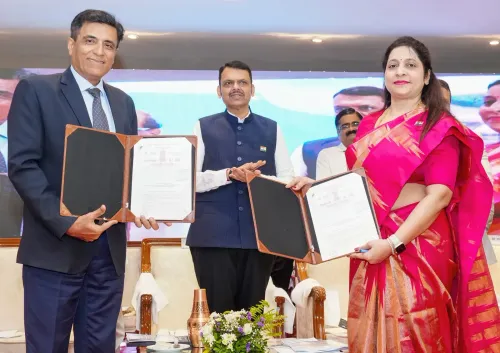
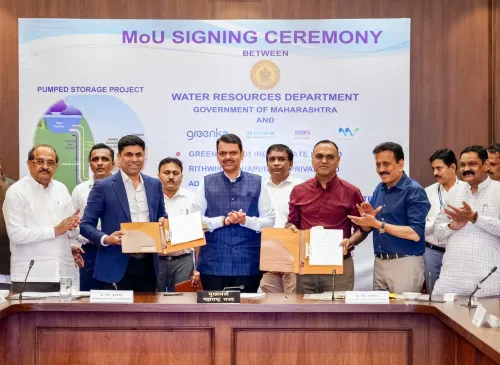
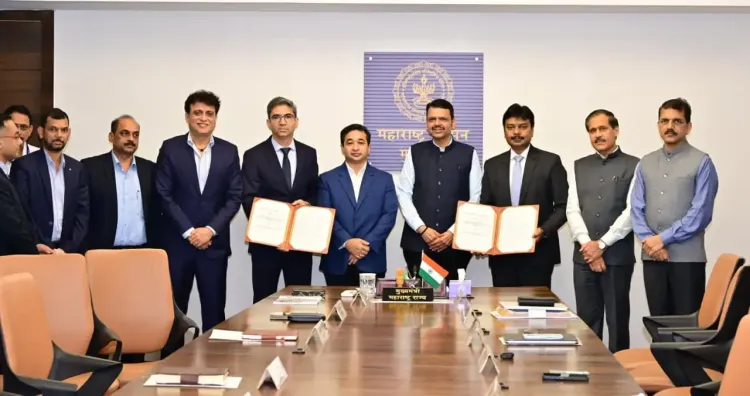
MDL and NSHPML signed a shipbuilding MoU on 15 September 2026 in the presence of Maharashtra CM Devendra Fadnavis .
MDL targets at least 2 million gross tonnage in annual ship construction at the Dighi, Raigad facility.
The project carries an estimated investment of ₹27,000 crore and is projected to generate 90,000 jobs across Maharashtra.
NSHPML is an SPV jointly formed by the Maharashtra Maritime Board and the Mumbai Port Authority .
The initiative aligns with Maritime Amrit Kaal Vision 2047 and Maharashtra's goal of securing a one-third share of India's shipbuilding capacity.
The Maharashtra Shipbuilding Policy 2025 underpins the project, enabling grouped, standalone, and port-integrated shipyard models.
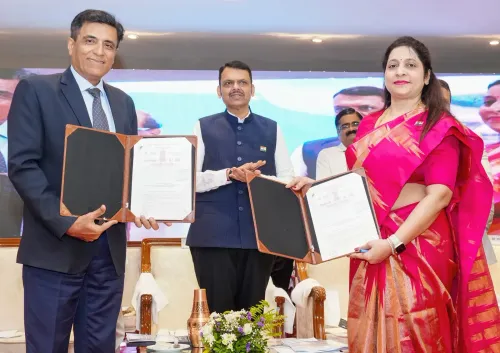
Mazagon Dock Shipbuilders Limited (MDL) and National Shipbuilding and Heavy Industries Park Maharashtra Limited (NSHPML) on Tuesday, 15 September 2026, signed a Memorandum of Understanding (MoU) to establish MDL as the anchor shipbuilding centre within the proposed Greenfield Shipbuilding Industrial Cluster at Dighi in Raigad district, Maharashtra. The agreement was inked in the presence of Maharashtra Chief Minister Devendra Fadnavis and is backed by an estimated investment of ₹27,000 crore, with projections of generating 90,000 jobs across the state.
What the MoU Commits To
Under the terms of the agreement, MDL has set a target to construct ships totalling at least 2 million gross tonnage annually at the Dighi facility. The site will be developed with modern shipbuilding infrastructure, a robust industrial ecosystem, and an integrated domestic supply chain, enabling the construction of large commercial vessels.
NSHPML is a Special Purpose Vehicle (SPV) jointly established by the Maharashtra Maritime Board (MMB) and the Mumbai Port Authority, created specifically to develop the greenfield cluster. The MoU marks the first major institutional commitment within this framework.
Alignment With National Maritime Strategy
The Dighi project is aligned with the Central government's national shipbuilding cluster plan and advances the strategic objectives of the 'Maritime Amrit Kaal Vision 2047' and Maritime India Vision 2030. Maharashtra has articulated an ambition to capture a one-third share of India's national shipbuilding and repair capacity — a significant target given the country's historically limited commercial shipbuilding footprint.
Notably, this initiative is also consistent with the Maharashtra Shipbuilding, Ship Repair and Ship Recycling Facilities Development Policy, 2025, which aims to position the state as a major maritime hub by supporting private sector participation through grouped shipyards, standalone shipyards, and port-integrated shipyard projects.
MDL's Role and Commitment
Captain Jagmohan, expressing gratitude to Chief Minister Fadnavis and the Maharashtra government, highlighted MDL's extensive expertise in complex shipbuilding, engineering, project management, and domestic supply chain development. He affirmed the company's commitment to delivering a modern, globally competitive shipbuilding hub at Dighi.
MDL, already one of India's most prominent defence shipbuilders, brings institutional credibility to the commercial maritime push. Its anchor role is expected to attract allied industries and technology partners to the cluster.
Policy Framework and Private Sector Pathways
The Maharashtra Shipbuilding Policy 2025 supports three primary development structures: grouped shipyards, designed to foster shared supply chains and operational efficiency; standalone shipyards, encouraging individual private operators providing specialised construction and repair services; and port-integrated shipyard projects, developing infrastructure within existing small and minor ports under the MMB.
This tiered approach signals that Dighi is not an isolated project but part of a broader Maharashtra-wide maritime industrialisation drive, with room for multiple players across vessel types and services.
What Comes Next
The Dighi cluster aims to scale domestic shipbuilding capacity, attract advanced technology and foreign investment, generate skilled employment, and boost India's competitiveness in the global maritime sector. With the MoU now in place, the focus shifts to project execution timelines, land allocation, and infrastructure development. If the ₹27,000 crore investment materialises as planned, Dighi could become one of India's largest greenfield maritime industrial hubs in a generation.
Point of View
500 kilometres of coastline. The Dighi MoU is structurally more credible than past maritime announcements because it anchors a named, experienced operator — MDL — with a verifiable tonnage target rather than a vague capacity aspiration. The real test will be whether private players follow MDL into the cluster, and whether the ₹27,000 crore investment commitment translates into disbursed capital within a defined timeline. Maharashtra's one-third national capacity ambition is aggressive; meeting it would require policy consistency across multiple election cycles and sustained Centre-state coordination on port infrastructure, a historically fraught relationship.
NationPress
15 Sept 2026
Frequently Asked Questions
What is the Dighi Greenfield Shipbuilding Industrial Cluster?
It is a proposed large-scale maritime industrial hub in Dighi, Raigad district, Maharashtra, being developed by NSHPML — a Special Purpose Vehicle formed by the Maharashtra Maritime Board and the Mumbai Port Authority. The cluster aims to build modern shipbuilding infrastructure alongside a supporting supply chain ecosystem, with MDL serving as its anchor tenant following the MoU signed on 15 September 2026.
What is Mazagon Dock Shipbuilders' role in the Dighi project?
MDL will serve as the anchor shipbuilding centre within the Dighi cluster under the terms of the MoU. It has committed to constructing at least 2 million gross tonnage of ships annually at the site, backed by an estimated investment of ₹27,000 crore, and will focus on large commercial vessel construction.
How many jobs is the Dighi shipbuilding cluster expected to create?
The initiative is projected to generate 90,000 jobs across Maharashtra, according to figures cited at the time of the MoU signing. These are expected to span skilled manufacturing, engineering, supply chain, and ancillary services linked to the cluster.
How does this project fit into India's national maritime strategy?
The Dighi cluster is aligned with the Central government's Maritime Amrit Kaal Vision 2047 and Maritime India Vision 2030, both of which aim to dramatically expand India's domestic shipbuilding and repair capacity. Maharashtra is specifically targeting a one-third share of India's national shipbuilding capacity through this and related initiatives.
What is the Maharashtra Shipbuilding Policy 2025 and how does it apply here?
The Maharashtra Shipbuilding, Ship Repair and Ship Recycling Facilities Development Policy 2025 is a state framework designed to position Maharashtra as a major maritime hub. It supports three development models — grouped shipyards for shared supply chains, standalone shipyards for private operators, and port-integrated projects within MMB ports. The Dighi MoU is directly consistent with this policy.