MP Cabinet approves PMFBY crop insurance for 5 years, ₹11,608 crore outlay
Synopsis
Madhya Pradesh has committed ₹11,608.47 crore to extend PMFBY for five more years — a significant bet on agricultural stability in a state that has paid out crop insurance to over 35 lakh farmers annually. With satellite-based assessment and two flexible implementation models on the table, the state is positioning itself as a benchmark for tech-driven farm insurance in India.
Key Takeaways
MP Cabinet approved the PMFBY extension on 20 May 2025 with an outlay of ₹11,608.47 crore for five years.
In 2023-24 , claims worth ₹961.68 crore were paid to 35.18 lakh farmers ; in 2024-25 , ₹275.86 crore reached 35.56 lakh beneficiaries .
Farmer premium contributions are capped at 2% (Kharif), 1.5% (Rabi), and 5% (commercial/horticultural crops).
The indemnity level remains fixed at 80% for all crops.
The state uses ISRO's National Remote Sensing Centre and allied agencies for satellite-based, transparent yield assessment.
Two implementation models — 80-110 and 60-130 surplus-sharing — are under evaluation; a final choice will follow detailed review.
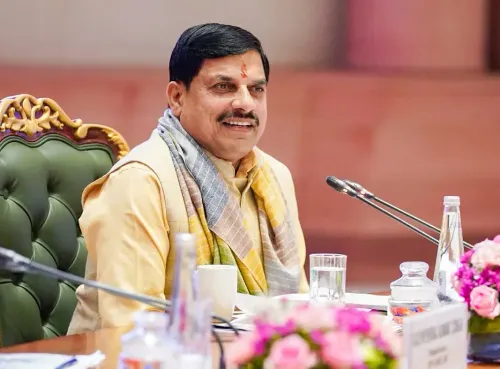
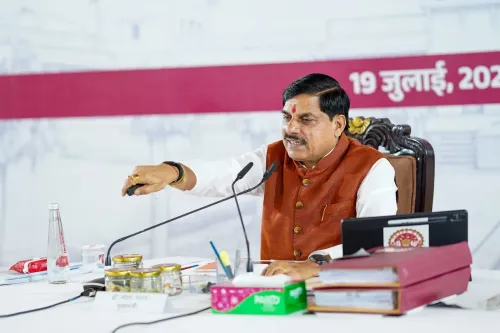
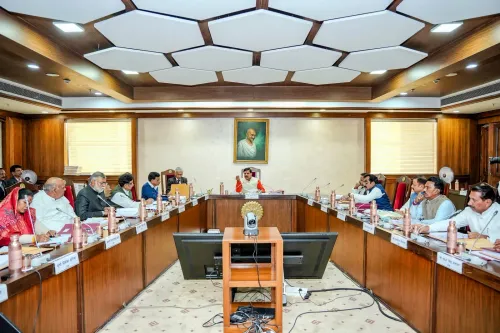
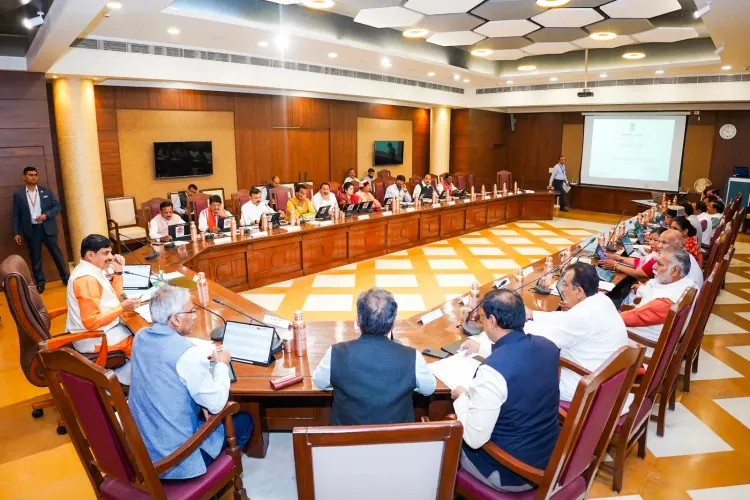
The Madhya Pradesh Cabinet, chaired by Chief Minister Mohan Yadav, on Wednesday, 20 May approved the five-year continuation of the Pradhan Mantri Fasal Bima Yojana (PMFBY) with a financial outlay of ₹11,608.47 crore, extending crop insurance cover to millions of farmers across the state. The decision was announced during the state-designated 'Kisan Kalyan Varsh' and is aimed at protecting farmers from income shocks caused by natural calamities and crop failure.
What the Cabinet Approved
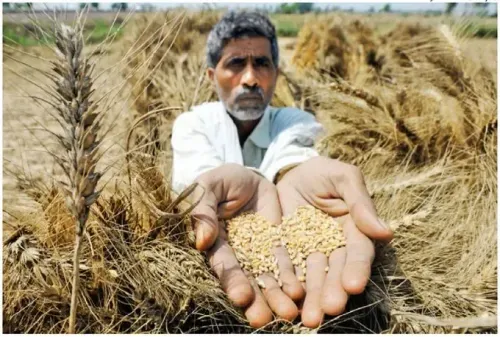
The five-year extension keeps the existing indemnity level at 80 per cent for all crops. Farmers will continue to pay nominal premiums — 2 per cent for Kharif crops, 1.5 per cent for Rabi crops, and 5 per cent for commercial and horticultural crops — with the remaining premium shared between the Centre and the state government.
The Cabinet has also kept open the choice between two implementation models: the Cup and Surplus Sharing 80-110 Model and the Cup and Cap Surplus Sharing 60-130 Model. The final model will be selected after a detailed evaluation of their respective merits. Under both models, insurance companies bear the primary claims burden, and any surplus generated from lower-than-expected claims is refunded to the governments.
Track Record Since 2016
Madhya Pradesh has implemented PMFBY since 2016 and has recorded consistent scale in claim disbursements. In 2023-24, claims worth ₹961.68 crore were paid out to 35.18 lakh farmers. In 2024-25, disbursements stood at ₹275.86 crore, reaching 35.56 lakh beneficiaries. The scheme currently operates across the state through 11 clusters, with insurance companies selected via competitive bidding.
Technology-Driven Crop Assessment
A key differentiator in Madhya Pradesh's implementation has been its use of advanced technology for yield estimation and transparency. The state's Agriculture Department has partnered with the National Remote Sensing Centre (ISRO), the Madhya Pradesh Council of Science and Technology, and the Madhya Pradesh State Electronics Corporation to deploy satellite-based remote sensing, weather data systems, and modern data management frameworks for accurate crop assessment.
What the Government Said
Chief Minister Mohan Yadav stated that the five-year extension reflects the government's commitment to stabilising farmers' incomes and reducing their financial exposure to crop loss. The decision is expected to particularly benefit small and marginal farmers across the state by ensuring timely and adequate compensation in the event of crop failure.
What Comes Next
With the outlay approved and the implementation framework in place, the state will proceed to finalise the choice of insurance model based on an evaluation of both options. The continuation of the scheme through 2030 signals a long-term policy commitment to agricultural risk mitigation in one of India's largest farming states, where agriculture remains the backbone of the rural economy.
Point of View
608.47 crore commitment is substantial, but the more telling detail is the choice left unmade — which implementation model the state ultimately adopts will determine how much financial risk sits with the government versus insurers. The gap between the 2023-24 and 2024-25 claim figures (₹961 crore versus ₹275 crore) also warrants scrutiny: it likely reflects a better harvest year, but it also highlights how volatile government exposure can be under the current structure. Madhya Pradesh's technology partnerships with ISRO are a genuine differentiator, yet the broader PMFBY programme nationally has faced criticism over claim delays and insurer exits. Whether MP's model holds up under a severe, multi-district crop failure — the real stress test — remains to be seen.
NationPress
6 Oct 2026
Frequently Asked Questions
What did the Madhya Pradesh Cabinet approve on 20 May 2025?
The MP Cabinet approved the five-year continuation of the Pradhan Mantri Fasal Bima Yojana (PMFBY) with a financial outlay of ₹11,608.47 crore. The decision, chaired by Chief Minister Mohan Yadav, extends crop insurance cover to millions of farmers across the state through 2030.
How many farmers benefit from PMFBY in Madhya Pradesh?
In 2024-25, approximately 35.56 lakh farmers received insurance disbursements totalling ₹275.86 crore. In 2023-24, 35.18 lakh farmers received claims worth ₹961.68 crore, reflecting the scheme's wide reach across the state.
What premium do farmers pay under PMFBY in Madhya Pradesh?
Farmers pay 2 per cent of the sum insured for Kharif crops, 1.5 per cent for Rabi crops, and 5 per cent for commercial and horticultural crops. The remaining premium is shared between the Central and state governments.
What are the two insurance models the MP Cabinet is evaluating?
The Cabinet is considering the Cup and Surplus Sharing 80-110 Model and the Cup and Cap Surplus Sharing 60-130 Model. Under both, insurance companies bear the primary claims burden and refund surplus premiums to governments when claims are lower than expected. The final choice will be made after a detailed merit-based evaluation.
How does Madhya Pradesh use technology in PMFBY implementation?
The state uses satellite-based remote sensing, weather data systems, and modern data management tools for transparent and accurate yield assessment. Its Agriculture Department has partnered with ISRO's National Remote Sensing Centre, the MP Council of Science and Technology, and the MP State Electronics Corporation for this purpose.