MP Cabinet clears PM Fasal Bima Yojana for 5 years, ₹11,608 crore outlay
Synopsis
The Madhya Pradesh Cabinet has committed ₹11,608.47 crore to extend PM Fasal Bima Yojana for five more years — a significant state-level bet on crop insurance as the backbone of farmer income protection. With over 35 lakh beneficiaries already reached annually and satellite-based assessment in place, MP is positioning itself as a national model for PMFBY implementation.
Key Takeaways
The Madhya Pradesh Cabinet approved continuation of PMFBY for five years with an outlay of ₹11,608.47 crore on 20 May .
In 2023-24 , claims worth ₹961.68 crore were paid to 35.18 lakh farmers ; in 2024-25 , ₹275.86 crore reached 35.56 lakh beneficiaries .
Farmer premium rates: 2% for Kharif, 1.5% for Rabi, and 5% for commercial/horticultural crops.
The state has fixed the indemnity level at 80% for all crops; scheme runs across 11 clusters via competitive bidding.
Two financial models — Cup and Surplus Sharing 80-110 and Cup and Cap Surplus Sharing 60-130 — are under evaluation for final adoption.
Crop assessment uses satellite remote sensing in partnership with ISRO's National Remote Sensing Centre .
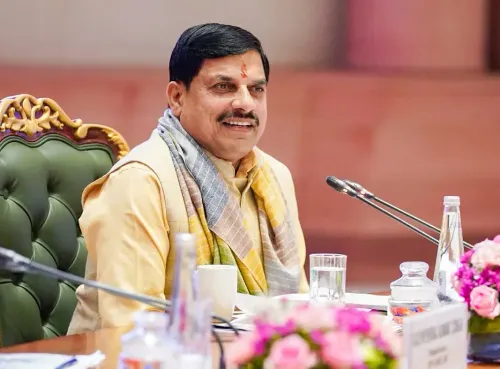
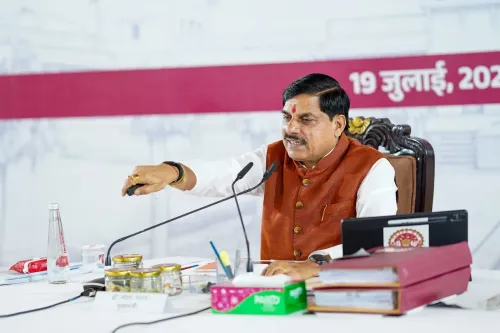
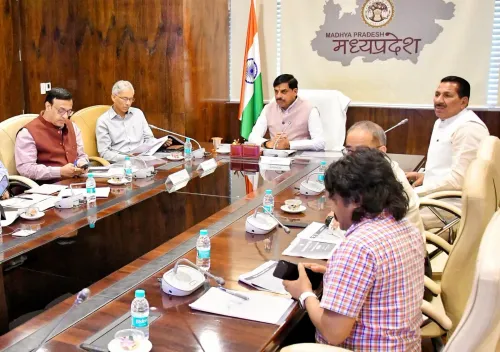
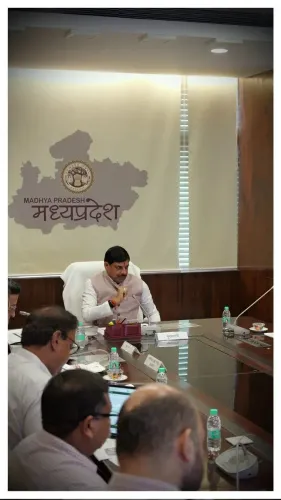
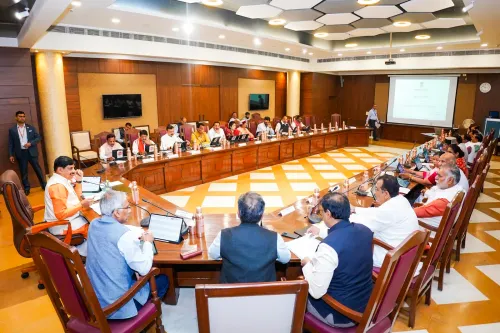
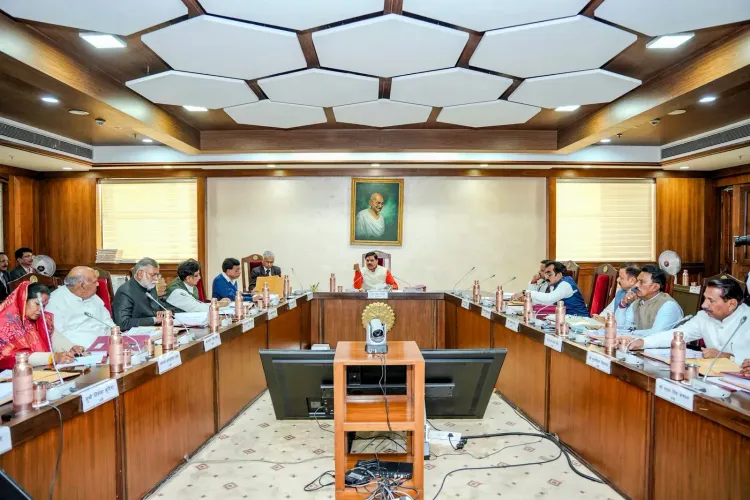
The Madhya Pradesh Cabinet, chaired by Chief Minister Mohan Yadav, on Wednesday, 20 May approved the five-year continuation of the Pradhan Mantri Fasal Bima Yojana (PMFBY) with a financial outlay of ₹11,608.47 crore, extending crop insurance cover to millions of farmers across the state. The decision was announced during the ongoing Kisan Kalyan Varsh and is designed to shield small and marginal farmers from income shocks caused by natural calamities.
Scale of Coverage and Recent Payouts
Madhya Pradesh has been implementing PMFBY since 2016, consistently ranking among the top states in scheme execution. In 2023-24, claims worth ₹961.68 crore were disbursed to 35.18 lakh farmers. The following year, 2024-25, saw ₹275.86 crore paid out to 35.56 lakh beneficiaries — indicating stable reach even as claim volumes fluctuated with seasonal conditions.
Under the scheme, farmers contribute a nominal premium: 2% for Kharif crops, 1.5% for Rabi crops, and 5% for commercial and horticultural crops. The remaining premium burden is shared between the Centre and the state government.
Two Implementation Models Under Consideration
The Cabinet has kept open the choice between two financial models for the next cycle: the Cup and Surplus Sharing 80-110 Model and the Cup and Cap Surplus Sharing 60-130 Model. A final decision will follow a detailed comparative evaluation. In both models, insurance companies absorb the bulk of claim liability, while any surplus arising from lower-than-expected claims is refunded to the governments.
The state has fixed the indemnity level at 80% for all crops, a threshold that will remain unchanged in the coming years. The scheme currently operates through 11 clusters across Madhya Pradesh, with insurance companies selected through competitive bidding.
Technology-Driven Crop Assessment
Madhya Pradesh is deploying satellite-based remote sensing, weather data systems, and modern data management tools for yield estimation and claims processing. The Agriculture Department has partnered with the National Remote Sensing Centre (ISRO), the Madhya Pradesh Council of Science and Technology, and the Madhya Pradesh State Electronics Corporation to ensure transparent and accurate assessments — a model increasingly cited by other states.
What the Government Said
Chief Minister Mohan Yadav said the five-year extension reflects the government's 'firm commitment to stabilising farmers' income and reducing their financial risks.' The decision is expected to particularly benefit small and marginal farmers by ensuring timely compensation in the event of crop failure.
With the state's agricultural calendar heavily dependent on monsoon performance, the continuation of PMFBY at this outlay signals a long-term policy bet on insurance as the primary risk-mitigation tool for rural Madhya Pradesh.
Point of View
608 crore PMFBY commitment is substantial, but the real question is claims efficiency — the gap between 2023-24's ₹961.68 crore payout and 2024-25's ₹275.86 crore suggests high year-to-year volatility, which is precisely the risk farmers face. The choice between the two surplus-sharing models will determine how much of the outlay actually flows back to farmers versus sitting as insurer surplus. Notably, the state's use of ISRO-backed remote sensing is a genuine differentiator, but technology alone cannot fix delays in claims settlement, which remain the scheme's most persistent grievance nationally. The five-year horizon offers policy stability; execution discipline will decide whether it translates into genuine rural income security.
NationPress
6 Oct 2026
Frequently Asked Questions
What is the Pradhan Mantri Fasal Bima Yojana extension approved by the MP Cabinet?
The Madhya Pradesh Cabinet approved a five-year continuation of PMFBY on 20 May, with a total financial outlay of ₹11,608.47 crore. The scheme provides crop insurance to farmers against losses from natural calamities, with the state and Centre sharing the premium beyond the farmer's nominal contribution.
How many farmers benefit from PMFBY in Madhya Pradesh?
Over 35 lakh farmers received PMFBY benefits in both 2023-24 and 2024-25. Claims worth ₹961.68 crore were paid in 2023-24, while ₹275.86 crore was disbursed in 2024-25, reflecting variation in seasonal crop losses.
What premium do farmers pay under PMFBY?
Farmers pay 2% of the sum insured for Kharif crops, 1.5% for Rabi crops, and 5% for commercial and horticultural crops. The balance of the actuarial premium is borne equally by the Central and state governments.
What are the two implementation models the MP Cabinet is evaluating?
The Cabinet is assessing the Cup and Surplus Sharing 80-110 Model and the Cup and Cap Surplus Sharing 60-130 Model. In both, insurance companies bear the primary claims liability, and any surplus from lower claims is returned to the governments. A final choice will be made after detailed evaluation.
How does Madhya Pradesh assess crop yields under the scheme?
The state uses satellite-based remote sensing, weather data systems, and modern data management frameworks for crop yield estimation. Partners include ISRO's National Remote Sensing Centre, the Madhya Pradesh Council of Science and Technology, and the Madhya Pradesh State Electronics Corporation.