MP CM Mohan Yadav: Build High to Save Farmland
Synopsis
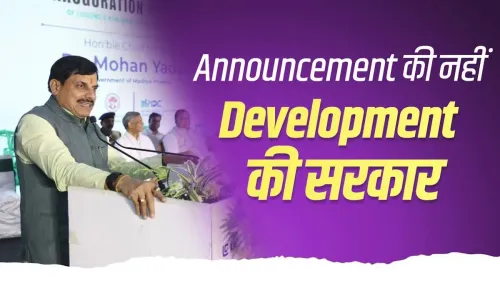
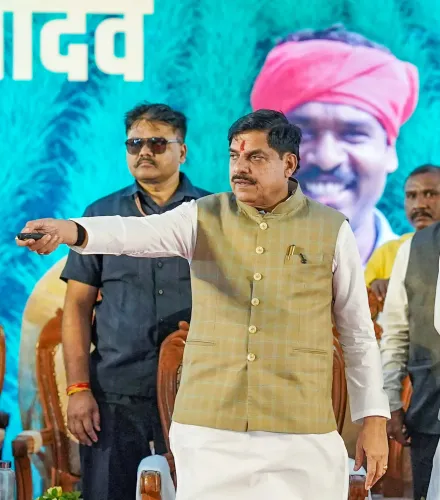
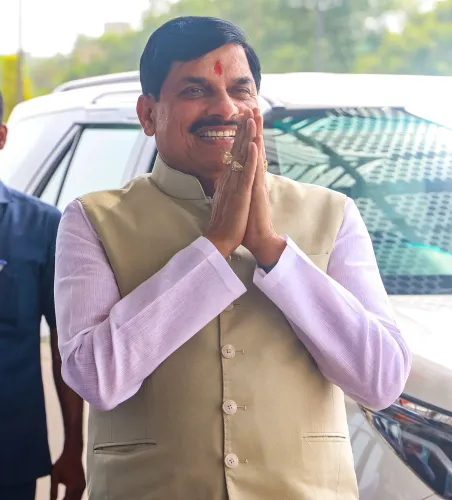
MP Chief Minister Dr. Mohan Yadav on 11 November 2026 called for high-rise urban construction to protect agricultural land, while urging the next generation to retain cultural and practical ties with farming even as they pursue professional careers.
Key Takeaways
Mohan Yadav stated that high-rise construction is essential to house a growing population without converting farmland.
He described agricultural land as 'our priceless heritage' and said the government aims to preserve its fertility alongside urban growth.
He called on children pursuing careers as doctors, engineers, lawyers, or officers to maintain their connection to farming and agricultural tradition.
The position aligns with the national Pradhan Mantri Awas Yojana (2015) , which promotes multi-storey housing to reduce land consumption.
Madhya Pradesh is one of India's largest agricultural states, making land-use balance a high-stakes issue amid rapid urbanisation in cities like Indore and Bhopal .
No specific scheme or timeline was announced; policy direction remains to be translated into zoning or curriculum measures.
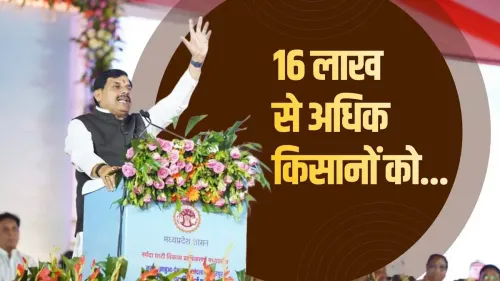
Vertical housing, not sprawling suburbs — that is the compact formula Madhya Pradesh Chief Minister Dr. Mohan Yadav put forward on Wednesday, 11 November 2026, as he called for high-rise construction to meet the state's growing urban housing needs without consuming precious agricultural land. The Chief Minister's Office of Madhya Pradesh shared his remarks on X, framing the push as an inseparable pair: more floors upward, more fields preserved below.
The case for going vertical — and keeping the soil
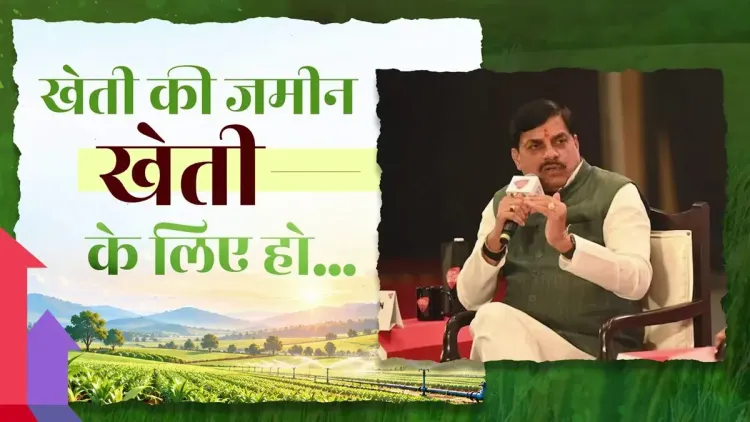
Speaking in Hindi, CM Yadav made the logic plain: 'बढ़ती आबादी की आवासीय जरूरतों को पूरा करने के लिए ऊंची इमारतों का निर्माण जरूरी है, ताकि खेती की जमीन को सुरक्षित रखा जा सके' — 'Construction of tall buildings is essential to meet the housing needs of a growing population, so that agricultural land can be kept safe.' He added that his government's effort is to ensure that even as urban development proceeds, the fertility and utility of farmland endures. Farmland, he said, is 'our priceless heritage.'
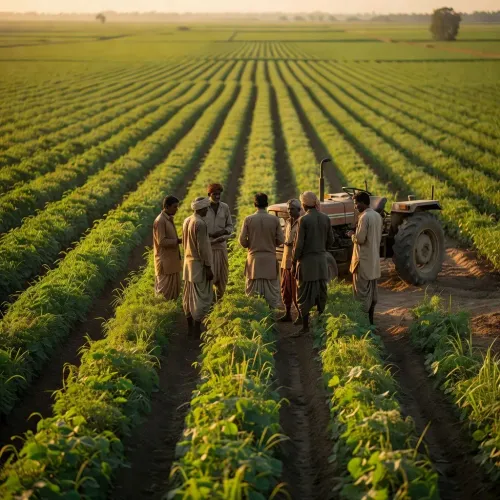
Madhya Pradesh sits at a sharp intersection: one of India's largest agricultural states, with soya, wheat, and pulses cultivated across millions of hectares, it is simultaneously experiencing rapid urbanisation in cities such as Bhopal, Indore, and Jabalpur. When cities expand horizontally, the first land to go is typically the fertile periphery — a pressure the CM's remarks directly acknowledge. High-density vertical housing is widely regarded by urban planners as the most effective check on that conversion.
The 'doctor, engineer, farmer' connection CM Yadav wants preserved
The more striking strand of the CM's statement was cultural. He went beyond bricks and soil to argue that the next generation must not sever its bond with farming — even as it moves into professional careers. His words: children may become doctors, engineers, lawyers, or government officers, 'लेकिन उनका खेती और कृषि परंपरा से रिश्ता भी बना रहना चाहिए' — 'but their connection to agriculture and agricultural tradition must also remain.'
That is a pointed message in a state where rural-to-urban migration is accelerating and an entire generation of farm children is being educated away from the land. The CM is signalling that modernity and agricultural identity need not be mutually exclusive — a framing that doubles as a soft argument for food-security consciousness among the educated urban class.
Where this fits in India's urban-housing policy arc
The vertical-housing argument echoes the architecture of the Pradhan Mantri Awas Yojana, launched in 2015, which explicitly promotes multi-storey housing to reduce land consumption during urban expansion. CM Yadav's remarks bring that national framework into sharp local focus — suggesting that Madhya Pradesh intends to align its upcoming urban master plans with the land-conservation imperative rather than permit low-density horizontal spread.
No specific scheme, timeline, or acreage figure was announced in the post, so the immediate policy impact is directional rather than operational. What to watch next: whether state housing authorities and municipal corporations in MP release revised floor-area-ratio norms favouring high-rises, and whether any school or skilling curriculum is introduced to reconnect youth with agricultural heritage.
The dual ask — build up and stay rooted — is essentially a compact with the future: urbanise without erasing the field that fed you. If Madhya Pradesh turns this rhetoric into zoning rules, it could become a replicable model for every fast-growing agrarian state trying to house millions without paving over its breadbasket.
Point of View
He is weaving together two distinct policy strands: land-use efficiency and rural-identity preservation. The message implicitly pushes back against the assumption that urban aspiration and agrarian roots are incompatible — a tension every fast-urbanising Indian state is quietly managing. Whether the statement translates into revised floor-area-ratio norms or agriculture-linked school programmes will determine whether this is a governance signal or a rhetorical flourish.
NationPress
11 Nov 2026
Frequently Asked Questions
Why is MP CM Mohan Yadav asking for more high-rise buildings?
CM Yadav argues that building taller residential structures allows cities to house a growing population without consuming fertile agricultural land on the urban periphery, preserving Madhya Pradesh's farming base.
What did CM Mohan Yadav say about youth and farming?
He said that even as children become doctors, engineers, lawyers, or government officers, they must maintain their connection to agriculture and agricultural tradition — describing farming as the state's priceless cultural heritage.
How does this relate to the Pradhan Mantri Awas Yojana?
The national Pradhan Mantri Awas Yojana, launched in 2015, already promotes multi-storey housing specifically to reduce land consumption during urban expansion; CM Yadav's remarks bring that logic into Madhya Pradesh's urban development framing.
Which cities in Madhya Pradesh face farmland pressure due to urbanisation?
Bhopal, Indore, and Jabalpur are among the fastest-growing urban centres in MP where horizontal expansion has historically pushed into agricultural land on city edges.
Has Madhya Pradesh announced any specific high-rise housing scheme yet?
As of this statement, no specific scheme, timeline, or target figure has been announced. The remarks are directional; concrete policy measures such as revised zoning rules or floor-area-ratio changes are yet to be detailed.