MP CM Mohan Yadav Launches Mukhyamantri Sugam Parivahan Seva
Synopsis
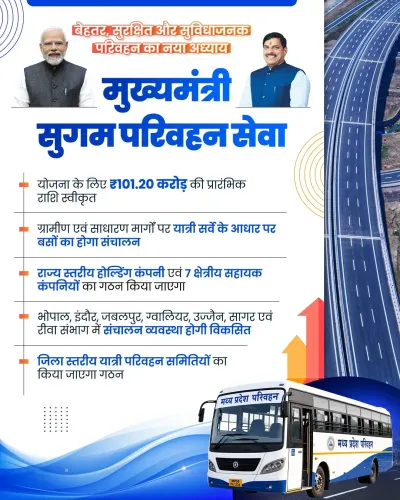
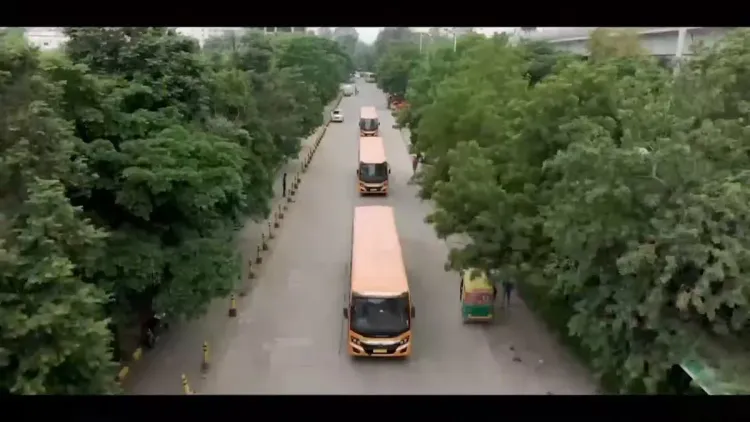
Madhya Pradesh has launched the 'Mukhyamantri Sugam Parivahan Seva' under CM Dr. Mohan Yadav, aiming to deliver improved connectivity, modern passenger amenities, and technology-driven transport services to commuters across the state.
Key Takeaways
Mukhyamantri Sugam Parivahan Seva was formally announced by the Chief Minister's Office of Madhya Pradesh on 25 September 2026 .
The scheme is built on three pillars: better connectivity , modern passenger amenities, and new technology integration.
Mohan Yadav , in office since December 2023 , has positioned infrastructure development as a central pillar of his administration.
The Madhya Pradesh Transport Department is the nodal agency overseeing the scheme's rollout across the state.
District-wise coverage, rollout timelines, and integration with existing bus and rail networks are key aspects to watch.
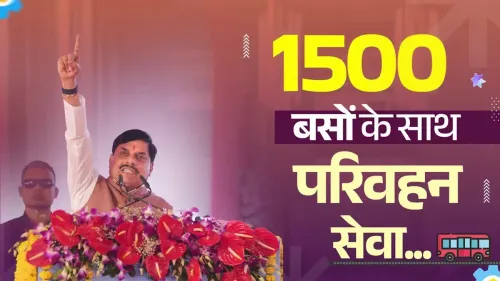
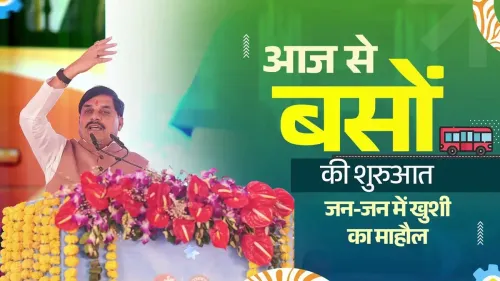
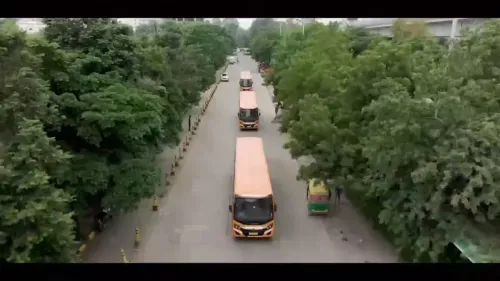
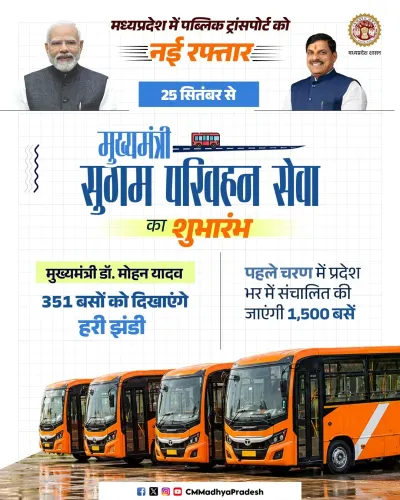
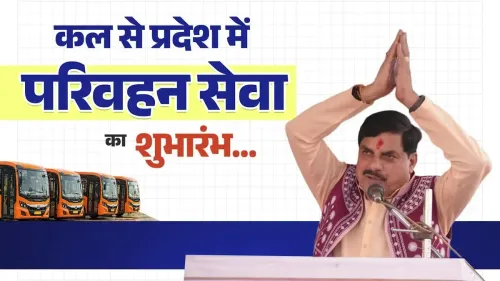
A new chapter in public mobility has opened in Madhya Pradesh — and it carries a promise that every journey, to every corner of the state, just got a little easier. The Chief Minister's Office of Madhya Pradesh announced on Friday, 25 September 2026 the launch of the 'Mukhyamantri Sugam Parivahan Seva', a state-wide transport initiative built on better connectivity, modern passenger amenities, and technology-driven operations.
The official post read: 'जहां सफर आसान हो, वहीं विकास की राह आगे बढ़ती है' — 'Where the journey is easy, the path of development moves forward.' The message, tagged to Chief Minister Dr. Mohan Yadav and the Madhya Pradesh Transport Department, framed the scheme not merely as a transit upgrade but as an engine of economic progress.
What the Mukhyamantri Sugam Parivahan Seva promises commuters
The scheme is positioned around three pillars: improved connectivity across the state, modernised passenger facilities, and the integration of new technology into everyday travel. The announcement underlines a deliberate shift — from patching old systems to building a forward-looking mobility network that puts the passenger experience at the centre.
For the millions of daily commuters across Madhya Pradesh's towns, district headquarters, and rural stretches, the pitch is concrete: 'अब हर सफर होगा सुगम, हर मंजिल होगी और करीब' — 'Now every journey will be smooth, every destination will be closer.' That is the measure against which the scheme will ultimately be judged.
Where this fits in MP's infrastructure push
Dr. Mohan Yadav, who has been Chief Minister since December 2023, has placed infrastructure and connectivity at the core of his administration's development agenda. Madhya Pradesh has pursued incremental upgrades in road connectivity and public transport across successive governments, but the Sugam Parivahan Seva signals a more structured, branded approach to the problem — one that aligns with national-level priorities around multimodal connectivity and technology adoption in public mobility.
The Madhya Pradesh Transport Department, the nodal body overseeing the rollout, will be watched closely for district-wise coverage timelines and integration with existing bus and rail networks. The real test of the scheme's ambition will come in how quickly it reaches the state's underserved corridors — not just its urban centres.
Madhya Pradesh has consistently ranked among the larger states grappling with last-mile connectivity gaps, particularly for commuters between smaller towns and regional hubs. A well-executed Sugam Parivahan Seva could meaningfully shift that equation — and that is precisely the standard the government has set for itself.
Point of View
It reinforces a 'development delivery' narrative ahead of the state's ongoing political calendar. The real analytical question is whether the scheme's technology and connectivity promises translate into measurable last-mile improvements, or remain concentrated in urban corridors. How the MP Transport Department executes district-level rollout will determine whether this becomes a genuine mobility milestone or a well-branded status quo.
NationPress
25 Sept 2026
Frequently Asked Questions
What is Mukhyamantri Sugam Parivahan Seva in Madhya Pradesh?
Mukhyamantri Sugam Parivahan Seva is a state transport scheme launched by the Madhya Pradesh government on 25 September 2026 to provide improved connectivity, modern passenger amenities, and technology-driven public transport services across the state.
Who launched the Sugam Parivahan Seva in Madhya Pradesh?
The scheme was launched under the leadership of Chief Minister Dr. Mohan Yadav, with the official announcement made through the Chief Minister's Office of Madhya Pradesh.
Which department is responsible for the Mukhyamantri Sugam Parivahan Seva rollout?
The Madhya Pradesh Transport Department is the nodal state body overseeing the implementation and rollout of the Mukhyamantri Sugam Parivahan Seva.
How will the Sugam Parivahan Seva benefit commuters in Madhya Pradesh?
The scheme aims to make daily travel smoother through better route connectivity, modernised passenger facilities at stops and terminals, and technology integration — with a stated goal of bringing every destination closer for commuters across the state.
When did CM Mohan Yadav become Chief Minister of Madhya Pradesh?
Dr. Mohan Yadav became Chief Minister of Madhya Pradesh in December 2023 and has since focused on infrastructure and connectivity as key development priorities for the state.