MP CM Mohan Yadav Launches Sugam Bus & PM E-Bus Seva
Synopsis
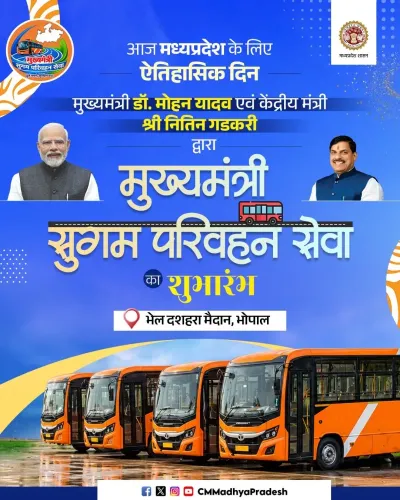
Union Minister Nitin Gadkari launched the Mukhyamantri Sugam Parivahan Bus Seva and PM E-Bus Sewa in Madhya Pradesh on 25 September 2026, with CM Mohan Yadav announcing a phased rollout of over 15,000 buses across cities and villages over three years.
Key Takeaways
Two schemes launched simultaneously: the state-run Mukhyamantri Sugam Parivahan Bus Seva and the central PM E-Bus Sewa .
Union Minister Nitin Gadkari presided over the inauguration under the Seva Sankalp Abhiyan on 25 September 2026 .
More than 15,000 buses will be deployed in a phased manner over the next three years .
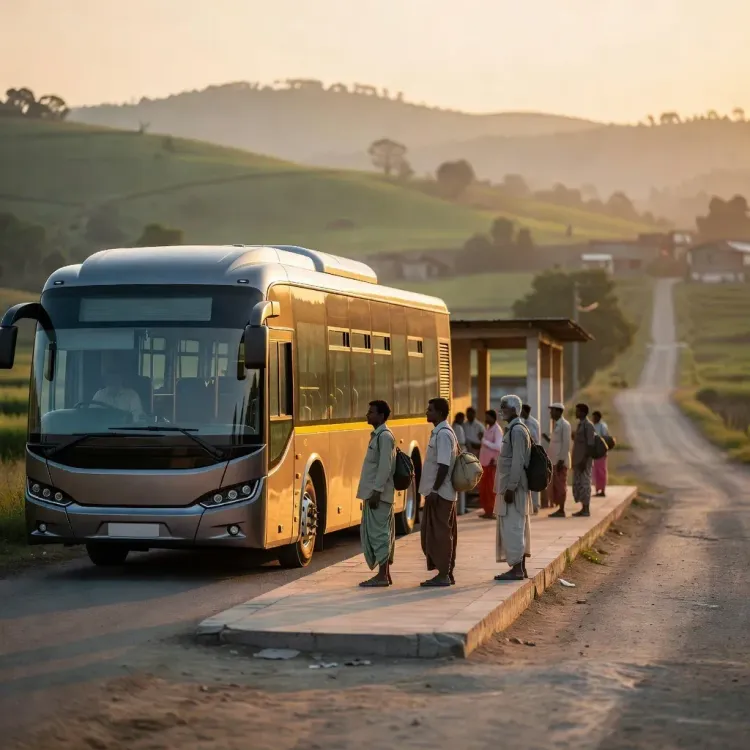
Coverage extends from urban centres to small villages , targeting last-mile rural connectivity.
The PM E-Bus Sewa central scheme, approved in August 2023 , funds electric buses to cut urban pollution.
The Madhya Pradesh Transport Department will oversee rollout, procurement, and route planning.
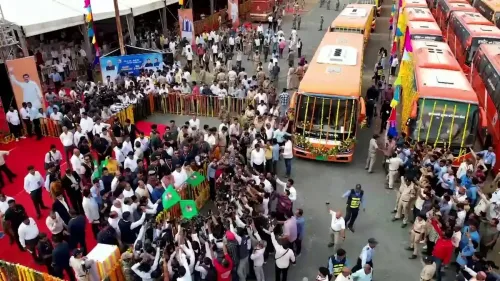
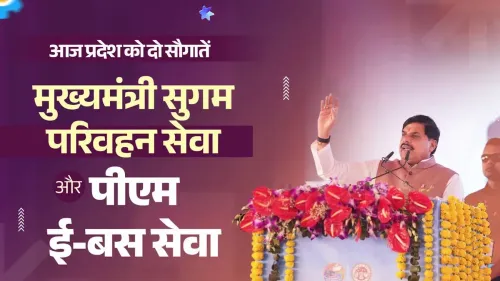
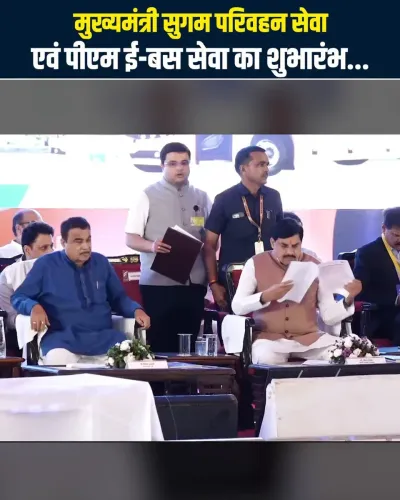
Fifteen thousand buses, three years, and a promise to reach the last village — Madhya Pradesh just put a number on its public transport ambition. On Friday, 25 September 2026, Union Minister Nitin Gadkari launched two landmark mobility schemes in the state — the Mukhyamantri Sugam Parivahan Bus Seva and the PM E-Bus Sewa — under the Seva Sankalp Abhiyan (Service Resolve Campaign), handing residents of Madhya Pradesh what Chief Minister Dr Mohan Yadav described as a 'big gift.'
What the two schemes actually deliver
The Mukhyamantri Sugam Parivahan Bus Seva is a state-designed programme built to push connectivity beyond district headquarters and taluka towns, deep into smaller villages that have historically had little or no scheduled bus service. The PM E-Bus Sewa, a central scheme approved by the Union Cabinet in August 2023, funds the deployment of electric buses in cities, targeting urban air quality and reducing dependence on private vehicles. Together, the two programmes cover both ends of the mobility spectrum: clean, electric urban transit and wider rural reach.
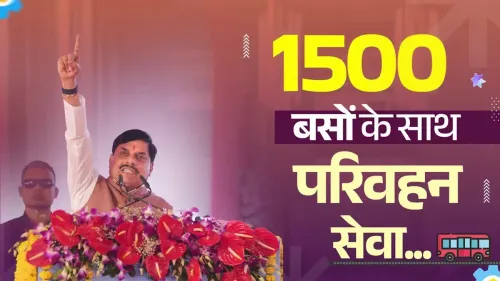
The Chief Minister's Office confirmed that more than 15,000 buses will be rolled out in a phased manner over the next three years, a scale that would represent one of the largest single-state bus fleet expansions in recent Indian transport history.
Gadkari's launch and the central-state collaboration model
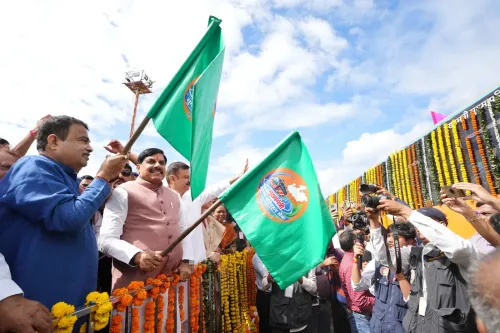
Nitin Gadkari, Union Minister for Road Transport and Highways, presided over the launch — a visible signal of the central government's direct stake in the rollout. The PM E-Bus Sewa framework explicitly ties central funding to state execution, making the partnership structural, not ceremonial. Madhya Pradesh has run earlier rural bus drives — including the Atal Bus Service — but the sheer scale of the current announcement, anchored by central scheme money and a state top-up programme, marks a step-change in ambition.
The Madhya Pradesh Transport Department will oversee procurement, scheduling, and route rationalisation across the phased rollout, coordinating between state operators and any private concessionaires selected through tendering.
Why rural commuters stand to gain the most
Madhya Pradesh is India's second-largest state by area, with hundreds of semi-urban clusters and rural habitations sitting well beyond existing bus routes. For daily commuters — students, farm workers, women travelling to district hospitals — the absence of reliable public transport means either expensive shared-tempo rides or no movement at all. Extending scheduled bus services to these settlements doesn't just improve convenience; it widens access to employment, education, and healthcare. That is the political and humanitarian bet the state government is placing on this ₹-heavy fleet expansion.
Nationally, the PM E-Bus Sewa sits within the broader ecosystem of FAME incentives and India's stated goal of accelerating electric vehicle adoption in public fleets. Madhya Pradesh joining the programme with a large-scale commitment adds momentum to that national push.
Fifteen thousand buses is a plan. The next test is the tender — and whether the first buses reach the last village on schedule.
Point of View
Where the Union government provides scheme architecture and funding triggers while the state government owns on-ground execution and political credit. For CM Mohan Yadav, announcing 15,000-plus buses under a branded state scheme alongside a central flagship gives him both a development narrative and an optics win ahead of the MP legislative calendar. The real policy test, however, lies downstream: whether the Madhya Pradesh Transport Department can translate a large fleet announcement into timely tenders, operational routes, and driver employment — areas where previous state bus expansion drives in MP have historically seen delays. If delivered on schedule, the programme could meaningfully shift the state's mobility baseline, particularly for women and rural youth.
NationPress
25 Sept 2026
Frequently Asked Questions
What is the Mukhyamantri Sugam Parivahan Bus Seva in Madhya Pradesh?
It is a Madhya Pradesh state government scheme designed to extend scheduled bus connectivity from cities and towns to smaller villages, providing affordable public transport to underserved rural areas.
What is PM E-Bus Sewa and how does it apply to Madhya Pradesh?
PM E-Bus Sewa is a Union Cabinet-approved central scheme from August 2023 that funds electric buses for cities to reduce urban pollution. Madhya Pradesh is now rolling it out as part of a combined 15,000-plus bus expansion plan.
How many buses will be deployed under Madhya Pradesh's new bus schemes?
More than 15,000 buses will be rolled out in a phased manner over the next three years across Madhya Pradesh's cities and villages.
Who launched the new bus services in Madhya Pradesh?
Union Minister Nitin Gadkari inaugurated both schemes on 25 September 2026 under the Seva Sankalp Abhiyan, with Chief Minister Dr Mohan Yadav announcing the three-year rollout plan.
Which department is responsible for the bus rollout in Madhya Pradesh?
The Madhya Pradesh Transport Department is the nodal agency overseeing procurement, route planning, and phased operational rollout of the new bus fleet.