MP CM Mohan Yadav launches Sugam Pariwahan and PM e-Bus services
Synopsis
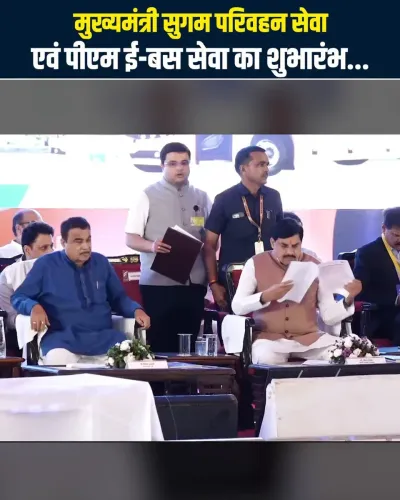
Chief Minister Mohan Yadav launched two transport schemes in Madhya Pradesh on 25 September 2026 — the Mukhyamantri Sugam Pariwahan Seva, which integrates private bus operators on fixed routes and fares, and the PM e-Bus Sewa — under the month-long Seva Sankalp Abhiyan campaign marking PM Modi's birthday.
Key Takeaways
Mukhyamantri Sugam Pariwahan Seva launched in Madhya Pradesh on 25 September 2026 , integrating private bus operators into a regulated route-and-fare network.
PM e-Bus Sewa , the Central government's electric bus deployment scheme first announced in 2023 , was simultaneously operationalised in the state.
Both schemes were inaugurated by Chief Minister Dr.
Mohan Yadav and are implemented by the Madhya Pradesh Transport Department .
The launches are part of the Seva Sankalp Abhiyan , a one-month state campaign aligned with PM Narendra Modi's birthday .
The Sugam Pariwahan model uses a public-private partnership structure with fixed fares and routes to expand affordable commuter access.
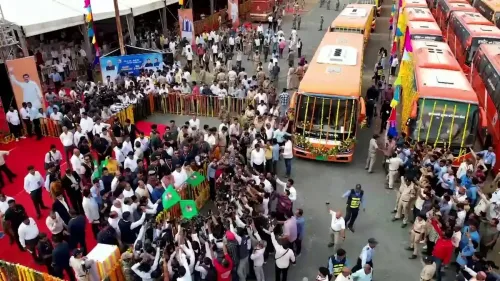
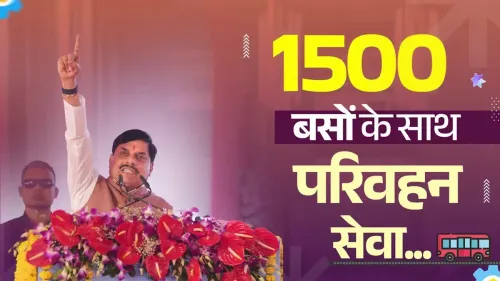
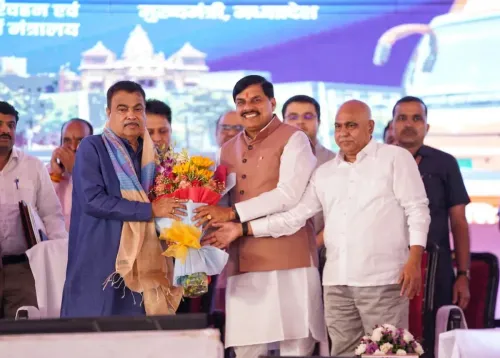
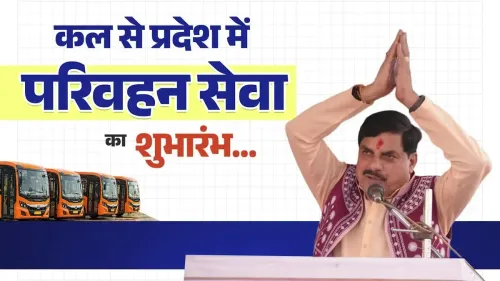
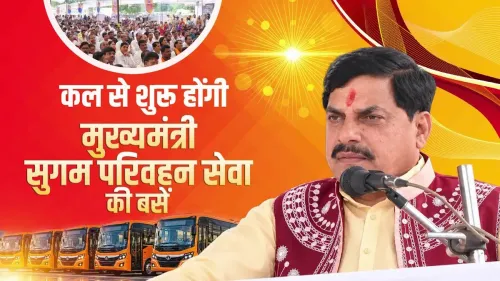
Two new public transport schemes rolled out simultaneously in Madhya Pradesh on Friday, 25 September 2026, marking a concrete policy push under a month-long state campaign honoring Prime Minister Narendra Modi's birthday. The Chief Minister's Office of Madhya Pradesh announced that Chief Minister Dr. Mohan Yadav inaugurated both the Mukhyamantri Sugam Pariwahan Seva (Chief Minister's Accessible Transport Service) and the PM e-Bus Sewa — two schemes that together aim to reshape how ordinary citizens in the state move.
What the 'Seva Sankalp Abhiyan' campaign is driving
The launches fall under the Seva Sankalp Abhiyan, a one-month outreach drive the Madhya Pradesh government is running to coincide with PM Modi's birthday. The campaign frames government service delivery as an act of public dedication — and the transport launches are among its centerpiece announcements. CM Yadav described affordable and accessible transport as 'one of the basic necessities of the common people of the state,' underscoring that the schemes are aimed squarely at everyday commuters, not urban elites.
How private operators enter the public transport equation
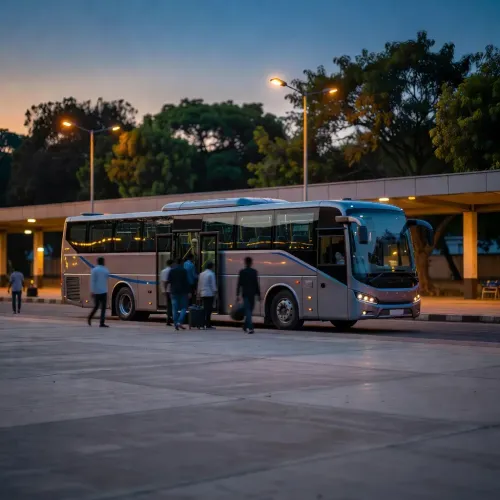
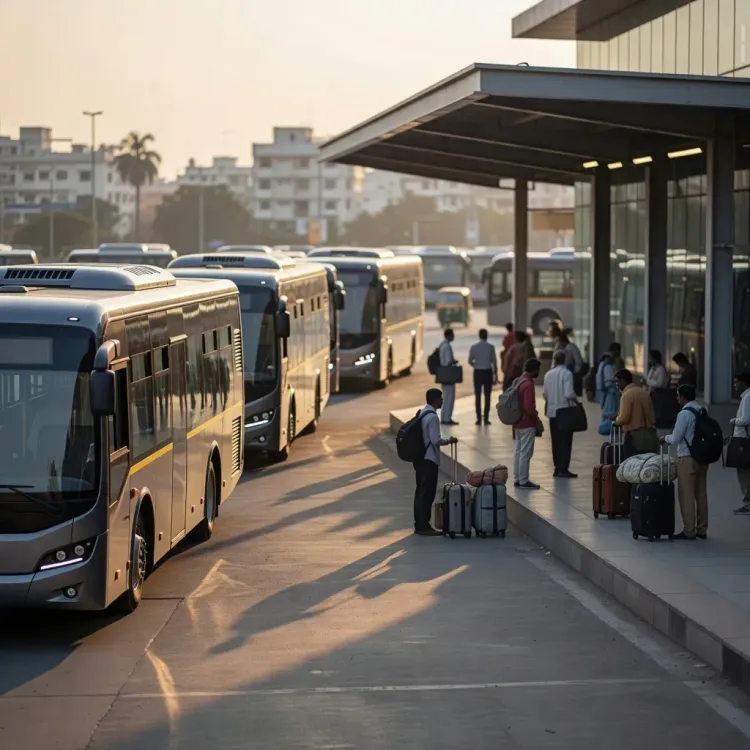
The more structurally novel of the two schemes is the Mukhyamantri Sugam Pariwahan Seva, which integrates private bus operators into the state's formal transport network — a public-private model that has gained traction across Indian states struggling to expand bus coverage without fully state-owned fleets. Under this framework, private operators run services on fixed routes with regulated fares, giving passengers predictability on both price and connectivity. The government retains oversight of the route and fare structure while the private sector absorbs operational costs. It is a design that, if executed well, can extend reach to semi-urban and rural corridors that purely state-run services rarely serve profitably.
PM e-Bus Sewa: the electric layer
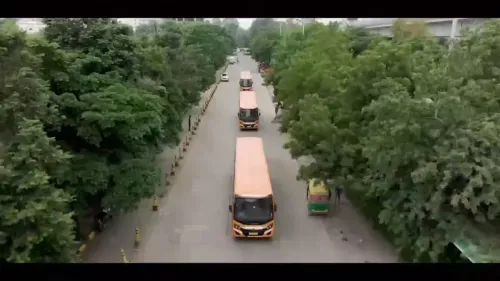
Running alongside it is the PM e-Bus Sewa, the Central government's electric bus deployment scheme that was announced in 2023 to push states toward cleaner urban transit. Madhya Pradesh's formal launch of the service on Friday signals the state is now operationalising what was a national policy commitment. Electric buses reduce tailpipe emissions in congested city corridors and cut long-run fuel costs — factors that have made e-bus deployment a visible metric of India's urban mobility ambitions. The Madhya Pradesh Transport Department is the implementing arm for both services.
The commuter question now
The real test begins on the road. Fixed fares and regulated routes only deliver if the network density is high enough to replace the informal, often costlier alternatives commuters currently rely on. How quickly private operators join the Sugam Pariwahan network, how many e-buses are actually deployed in which cities, and whether fares hold at accessible levels — these are the numbers that will define whether Friday's launch was a pivot or a press event.
Madhya Pradesh has signalled its transport architecture is changing. The question is how fast the map fills in.
Frequently Asked Questions
What is Mukhyamantri Sugam Pariwahan Seva in Madhya Pradesh?
It is a state scheme launched on 25 September 2026 that brings private bus operators into Madhya Pradesh's public transport network under fixed routes and regulated fares, aiming to improve commuter access and affordability.
What is PM e-Bus Sewa and when was it launched in MP?
PM e-Bus Sewa is a Central government scheme announced in 2023 for deploying electric buses in cities. Madhya Pradesh formally operationalised it on 25 September 2026 alongside the state's Sugam Pariwahan scheme.
Who launched the new bus services in Madhya Pradesh?
Chief Minister Dr. Mohan Yadav inaugurated both the Mukhyamantri Sugam Pariwahan Seva and PM e-Bus Sewa in Madhya Pradesh on 25 September 2026.
What is the Seva Sankalp Abhiyan in Madhya Pradesh?
Seva Sankalp Abhiyan is a one-month state-wide public service campaign run by the Madhya Pradesh government to coincide with Prime Minister Narendra Modi's birthday, under which several welfare and infrastructure schemes are being launched.
How does Madhya Pradesh's Sugam Pariwahan scheme benefit commuters?
The scheme links private bus operators to designated routes with fixed fares, giving passengers more predictable costs and wider connectivity, particularly in areas underserved by purely state-run transport.