MP CM Mohan Yadav Plans 14,981 Buses Under Sugam Parivahan Seva
Synopsis
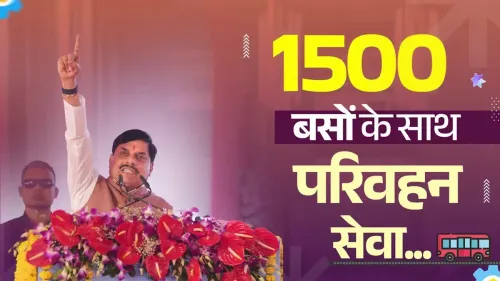
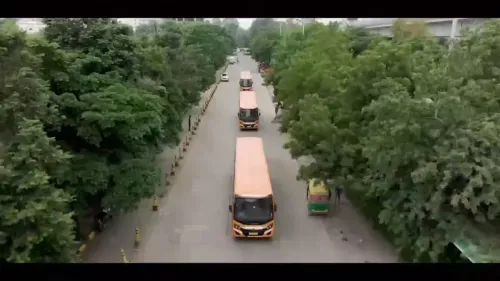
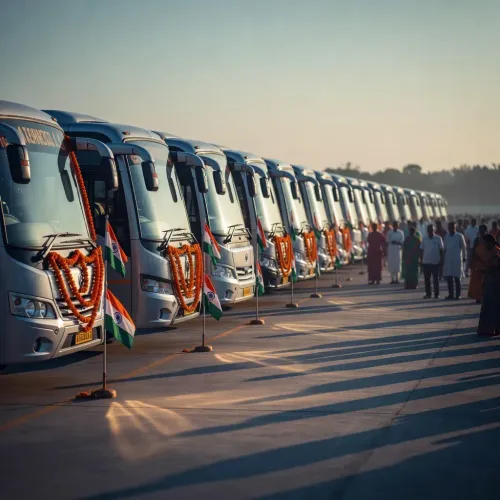
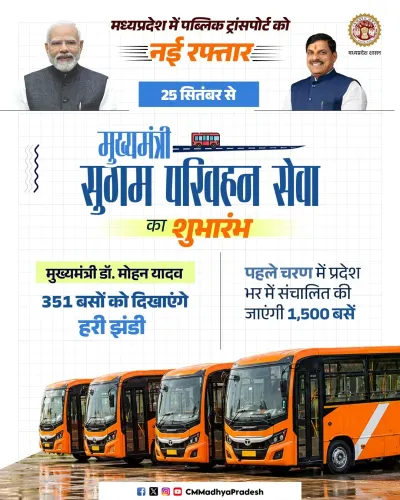
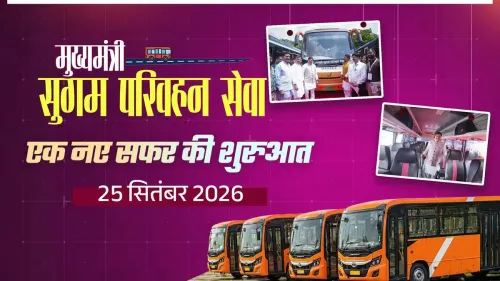
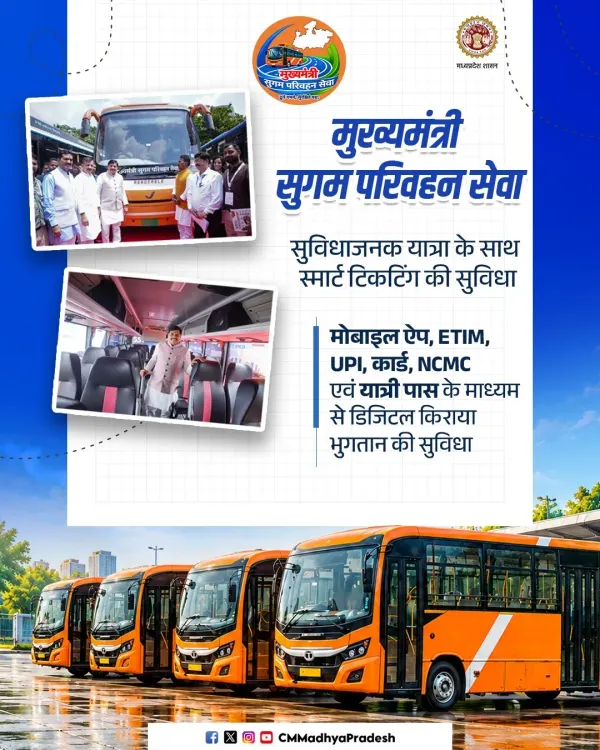
The Chief Minister's Office of Madhya Pradesh has announced the Mukhyamantri Sugam Parivahan Seva, targeting 14,981 buses over five years. The scheme aims to boost public connectivity and generate employment in driving, conducting, maintenance, and ITMS operations across the state.
Key Takeaways
14,981 buses are planned for operation across Madhya Pradesh under the Mukhyamantri Sugam Parivahan Seva over the next five years .
The scheme is anchored to Chief Minister Dr.
Mohan Yadav and the Madhya Pradesh Transport Department .
Employment opportunities are planned in driving, conducting, maintenance, and ITMS (Intelligent Transport Management System) roles.
The initiative combines fleet expansion with digital transport management, signalling a technology-integrated rollout.
Key milestones to watch include procurement tenders, phased district-level rollout timelines, and formal recruitment notifications.
Nearly 15,000 buses in five years — that is the scale of ambition the Chief Minister's Office of Madhya Pradesh put on record on 30 September 2026, announcing the Mukhyamantri Sugam Parivahan Seva, a state-wide public transport expansion scheme that promises to move both people and job numbers in a big way.
What the Mukhyamantri Sugam Parivahan Seva promises
The scheme targets the operation of 14,981 buses across Madhya Pradesh over the next five years, according to the official post tagged to Chief Minister Dr. Mohan Yadav and the Madhya Pradesh Transport Department. The announcement frames the initiative around two parallel goals: better public connectivity and direct employment creation. As the post puts it, 'safar ki raftar bhi badhegi, rozgar ke avsar bhi khulenge' — 'the pace of travel will accelerate, and employment opportunities will open up.'
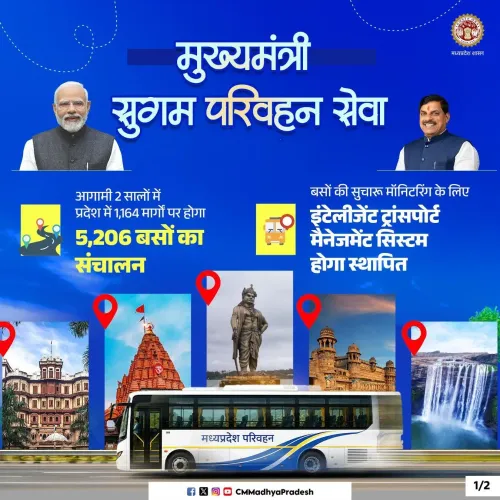
The employment categories named are specific: driving, conducting, maintenance, and roles within ITMS (Intelligent Transport Management System) operations and other transport services. That technology component — ITMS — signals that this is not a simple fleet-addition exercise but a digitally monitored network, with route management and real-time tracking built into the architecture.
Why Madhya Pradesh is betting on buses
Madhya Pradesh is a large, landlocked state where intra-state connectivity — particularly for smaller towns and rural pockets — has historically lagged behind road and rail investment in wealthier states. Expanding a government-backed bus fleet directly addresses last-mile gaps that private operators often leave unfilled on low-margin routes. Indian states have periodically used fleet-expansion drives to combine two political wins: visible infrastructure improvement and measurable job creation. Done well, a scheme of this size can generate thousands of direct, formal-sector positions in operations alone, before counting indirect supply-chain roles in vehicle maintenance and fuel logistics.
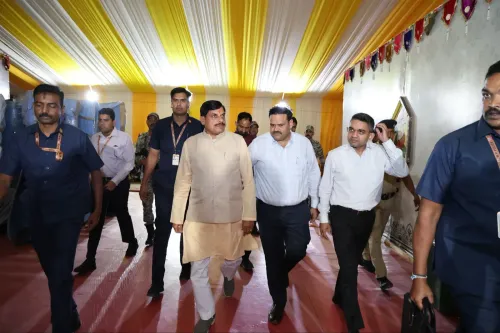
Dr. Mohan Yadav, who has led the state since December 2023, has positioned infrastructure and employment as twin pillars of his administration. A bus-fleet scheme of this stated magnitude fits squarely into that framing — and its five-year horizon stretches well past the next state election cycle, giving it a long policy runway.
What to watch as the scheme takes shape
Announcements of this scale live or die in the tender and recruitment phases. The immediate signals to track will be the issuance of procurement tenders for the 14,981-bus fleet, the phased rollout calendar across districts, and formal recruitment notifications for drivers, conductors, and ITMS staff. Whether the buses are procured through state agencies, PPP arrangements, or aggregator models will determine both the speed of rollout and the nature of the employment contracts on offer.
For commuters across Madhya Pradesh, the promise is straightforward: more buses, more routes, and a smarter system watching over them. Whether the tenders follow the timeline is the question that will define this scheme's legacy.
Frequently Asked Questions
What is the Mukhyamantri Sugam Parivahan Seva in Madhya Pradesh?
It is a state government scheme announced by the Chief Minister's Office of Madhya Pradesh that plans to operate 14,981 buses across the state over five years to improve public transport and generate employment.
How many buses will be added under the MP Sugam Parivahan Seva?
The scheme targets the operation of 14,981 buses across Madhya Pradesh within a five-year period.
What kind of jobs will the Sugam Parivahan Seva create?
The scheme is expected to create employment opportunities in driving, conducting, vehicle maintenance, ITMS (Intelligent Transport Management System) operations, and other transport services.
What is ITMS in the context of the MP bus scheme?
ITMS stands for Intelligent Transport Management System — a technology platform used for real-time route monitoring and fleet management, which is planned as part of the Sugam Parivahan Seva rollout.
Who announced the Mukhyamantri Sugam Parivahan Seva?
The scheme was announced by the Chief Minister's Office of Madhya Pradesh and is associated with Chief Minister Dr. Mohan Yadav and the Madhya Pradesh Transport Department.