MP CM Office: Every Child Has a Right to Safety
Synopsis
The Chief Minister's Office of Madhya Pradesh on 24 July 2026 reaffirmed that securing every child's rights is a state priority, signalling intent to strengthen child protection under national frameworks including Mission Vatsalya and the Juvenile Justice Act.
Key Takeaways
The Chief Minister's Office of Madhya Pradesh posted on 24 July 2026 declaring every child's right will be protected.
India ratified the UN Convention on the Rights of the Child in 1992 , forming the international basis for such commitments.
The National Policy for Children (2013) and the Juvenile Justice Act (amended 2015) are the key domestic frameworks guiding state action.
Mission Vatsalya is the central government's flagship child protection scheme, with states like Madhya Pradesh responsible for ground-level implementation.
The National Commission for Protection of Child Rights , set up in 2007 , monitors child rights compliance across all Indian states.
Such statements from state governments typically precede enforcement drives, awareness campaigns or welfare scheme expansions.
The Chief Minister's Office of Madhya Pradesh on Friday, 24 July 2026, reaffirmed the state government's commitment to child safety, declaring that securing the rights of every child is a non-negotiable priority for the administration.
Context
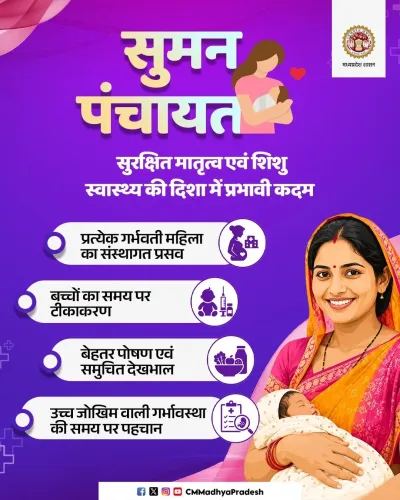
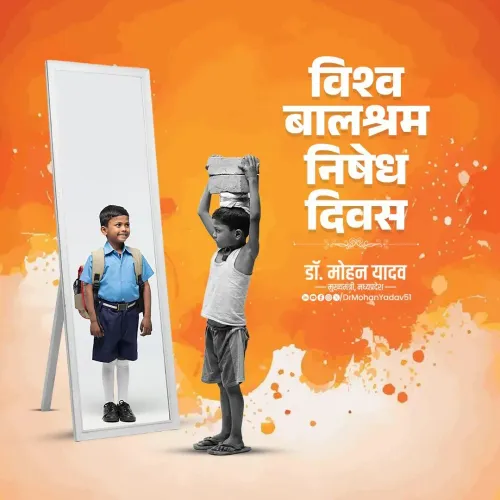
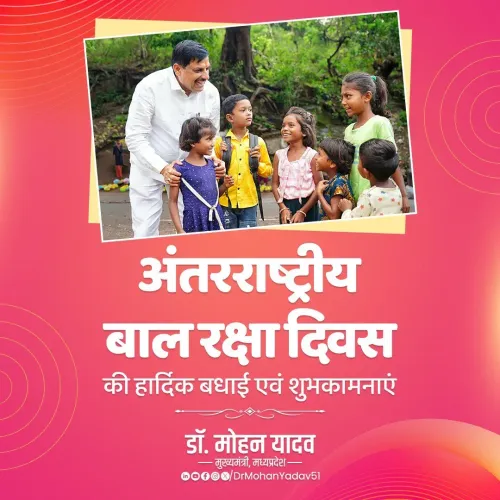
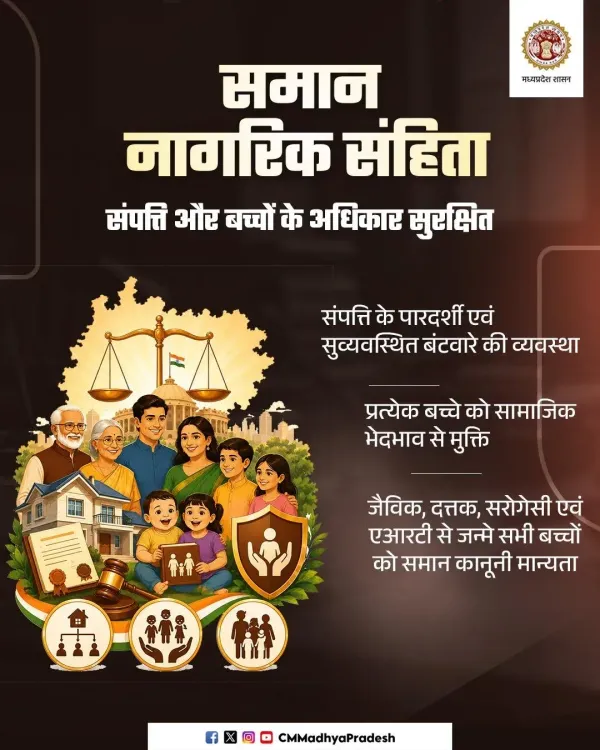
The post, shared on the official @CMMadhyaPradesh account, carried the message 'हर बच्चे का अधिकार होगा सुरक्षित' — meaning 'Every child's right will be protected.' The statement signals a reaffirmation of the state's duty of care towards minors, in line with constitutional and legislative obligations that bind all Indian states.
Madhya Pradesh is a central Indian state with a substantial child population and has historically aligned its welfare delivery with national frameworks on child safety, education and health.
Policy Backdrop
India's commitment to child rights rests on several pillars. The country ratified the UN Convention on the Rights of the Child in 1992, binding it to protect children's fundamental rights. Domestically, the National Policy for Children (2013) provides the overarching framework guiding state action on survival, development and protection of minors.
The Juvenile Justice (Care and Protection of Children) Act, amended in 2015, strengthened provisions for care, adoption and rehabilitation. The National Commission for Protection of Child Rights, a statutory body established in 2007, monitors implementation across states. Constitutional Articles 21, 39(e) and 39(f) further obligate the state to protect children from exploitation and ensure their dignified development.
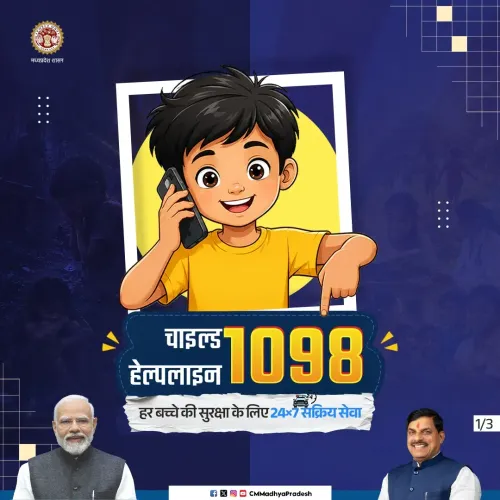
At the central level, Mission Vatsalya — the flagship child protection scheme — channels funds to states for institutional care, sponsorship and child helpline services, with state governments responsible for ground-level rollout.
Stakeholders and Impact
The immediate beneficiaries of any strengthened child protection measures are children and families across Madhya Pradesh, particularly those in vulnerable circumstances such as orphans, children in conflict with the law, or those at risk of trafficking and labour exploitation.
Statements of this nature from state governments typically accompany enforcement drives, awareness campaigns or expansions of existing welfare schemes, signalling administrative intent to district-level machinery and civil society organisations working on child welfare.
The Madhya Pradesh Child Welfare Council and district child protection units are the primary institutional arms through which such commitments are operationalised at the grassroots level.
What's Next
Observers will watch for concrete follow-through in the form of updated guidelines, budget allocations or scheme expansions under Mission Vatsalya and allied programmes in Madhya Pradesh. Any announcements from the state assembly or the Madhya Pradesh Child Welfare Council on child protection funding will be closely tracked.
The reaffirmation from the Chief Minister's Office sets an expectation of policy action, and stakeholders across the child rights ecosystem — from NGOs to district administration — will look for operational directives that translate this commitment into measurable outcomes on the ground.
Point of View
Scheme expansions or enforcement drives. For Madhya Pradesh, the real test will be the pace of Mission Vatsalya implementation and the operational capacity of district child protection units. Analysts will note that child welfare commitments carry political weight in a state with a large rural and tribal population where child vulnerability indicators remain a policy concern.
NationPress
24 Jul 2026
Frequently Asked Questions
What did the Madhya Pradesh Chief Minister's Office say about child rights?
The Chief Minister's Office of Madhya Pradesh declared on 24 July 2026 that every child's right will be protected, reaffirming the state's commitment to child safety and welfare.
What is Mission Vatsalya and how does it relate to Madhya Pradesh?
Mission Vatsalya is the central government's flagship child protection scheme that funds institutional care, sponsorship and child helpline services. Madhya Pradesh is responsible for its ground-level implementation across the state.
What laws protect child rights in India?
Key laws include the Juvenile Justice (Care and Protection of Children) Act, amended in 2015, and the National Policy for Children (2013). Constitutional Articles 21, 39(e) and 39(f) also mandate child protection. India also ratified the UN Convention on the Rights of the Child in 1992.
What is the National Commission for Protection of Child Rights?
The National Commission for Protection of Child Rights is a statutory body established in 2007 to monitor and promote child rights across India, ensuring states comply with national and international child protection standards.
What does the Madhya Pradesh government's child safety post mean in practice?
Such statements from state governments typically signal upcoming enforcement drives, awareness campaigns or expansions of welfare schemes, directing district-level machinery and civil society to prioritise child protection activities.