MP CM Office Highlights Ladli Bahna Yojana on Raksha Bandhan
Synopsis
On Raksha Bandhan 2026, the Chief Minister's Office of Madhya Pradesh highlighted the Mukhya Mantri Ladli Bahna Yojana — a Rs 1,000/month direct cash transfer to eligible women — as a symbol of dignity and financial independence, with CM Dr. Mohan Yadav's office framing state welfare as a living pledge of respect.
Key Takeaways
The Chief Minister's Office of Madhya Pradesh posted about Ladli Bahna Yojana on Raksha Bandhan, 19 August 2026 , framing it as a state pledge to women.
The scheme was launched in March 2023 under Shivraj Singh Chouhan and continued under CM Dr.
Mohan Yadav , who took office in December 2023 .
Eligible women aged 21–60 from households earning below Rs 2.5 lakh annually receive Rs 1,000 per month via DBT.
The Department of Women and Child Development, MP is the nodal implementing body.
MP's scheme is part of a broader national trend of state-level recurring cash transfers targeting adult women since 2021.
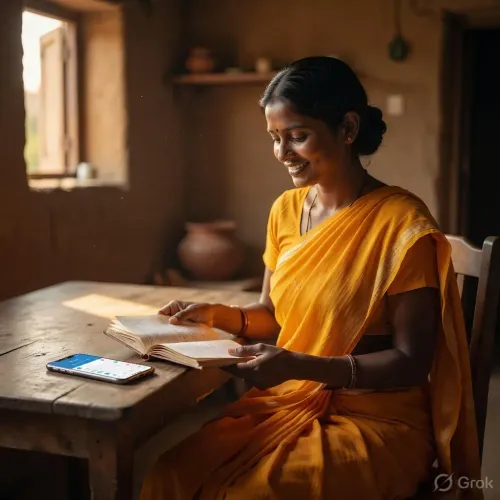
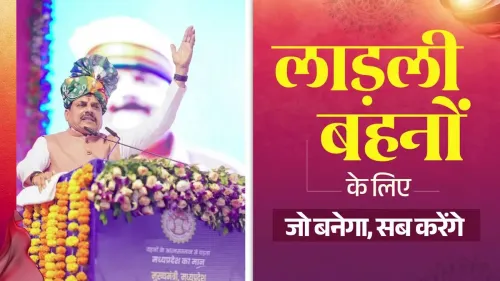
Small needs should never block big dreams — that is the promise Madhya Pradesh's Mukhya Mantri Ladli Bahna Yojana is being held to, as the Chief Minister's Office of Madhya Pradesh marked Raksha Bandhan 2026 by reaffirming the scheme's role as a pillar of women's financial independence in the state.
The post, shared on Wednesday, 19 August 2026, carried a message in Hindi: 'छोटी-छोटी जरूरतें, बड़े सपनों की राह में कभी रुकावट न बनें' — 'small needs should never become obstacles on the path to big dreams' — framing the scheme not merely as a cash transfer but as a statement of dignity. 'Respect,' the post concluded, 'comes not from words alone, but from standing by someone's side.'
A scheme born in 2023, still central to MP's welfare pitch
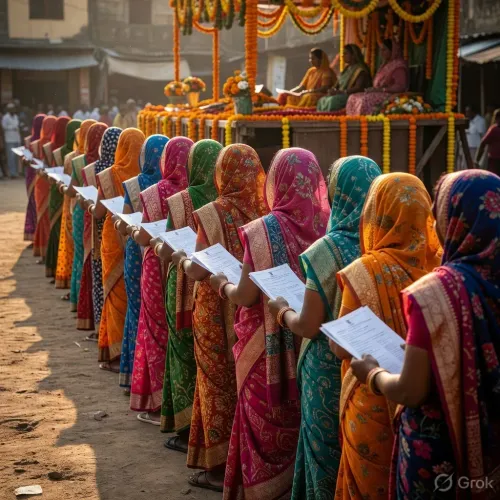
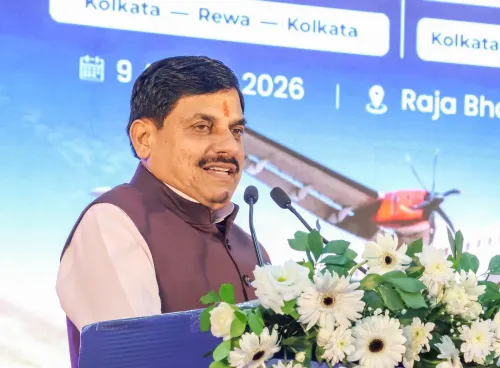
The Ladli Bahna Yojana was launched in March 2023 under then-Chief Minister Shivraj Singh Chouhan, initially offering Rs 1,000 per month to women aged 21 to 60 from households with annual incomes below Rs 2.5 lakh. The scheme runs on the Direct Benefit Transfer (DBT) platform, routing money straight into beneficiaries' bank accounts. The current Chief Minister, Dr. Mohan Yadav — who took office in December 2023 — has continued the programme as a flagship commitment, with the state's Department of Women and Child Development serving as the nodal implementing body.
Invoking the scheme on Raksha Bandhan is deliberate. The festival, traditionally centred on a brother's pledge to protect his sister, is being recast here as a moment for the state itself to renew that pledge — through policy, not just sentiment.
MP joins a national wave of women-targeted cash transfers
Madhya Pradesh is not alone. Since 2021, several Indian states have rolled out recurring cash transfer programmes aimed at adult women, each framing financial support as a route to household decision-making power and economic autonomy. Ladli Bahna sits squarely in this pattern — a state-budget-backed direct benefit that has become politically central to the ruling party's identity in MP.
What keeps the scheme in the news cycle is not just the money, but the message: that welfare delivery is a form of respect. Whether the state's budget allocations and beneficiary numbers keep pace with that promise is the question the next fiscal cycle will answer.
Point of View
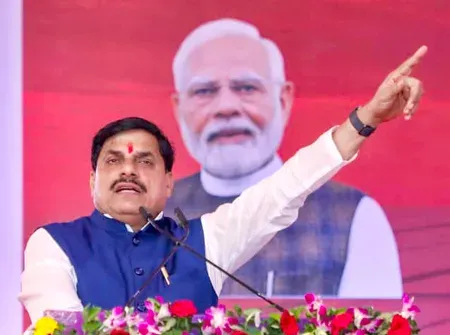
Reinforcing the scheme's emotional brand ahead of any future electoral cycle. The Ladli Bahna Yojana has become the single most visible plank of the party's women-outreach strategy in the state, and Dr. Mohan Yadav's continuity with it signals that the Chouhan-era welfare architecture remains non-negotiable for the new CM. Nationally, this mirrors a competitive welfare politics among state governments, where recurring women-targeted cash transfers have become a baseline expectation rather than a differentiator. The real test — budget headroom and beneficiary reach — will define whether the promise outlasts the optics.
NationPress
19 Aug 2026
Frequently Asked Questions
What is Mukhya Mantri Ladli Bahna Yojana in Madhya Pradesh?
Mukhya Mantri Ladli Bahna Yojana is a state government cash transfer scheme launched in March 2023 that provides Rs 1,000 per month directly to eligible women in Madhya Pradesh aged 21 to 60 from households with annual income below Rs 2.5 lakh, aimed at promoting financial independence.
Who is eligible for Ladli Bahna Yojana MP?
Women aged 21 to 60 residing in Madhya Pradesh, from families with an annual income below Rs 2.5 lakh, are eligible for the scheme. Funds are transferred directly to beneficiaries' bank accounts through the DBT platform.
Who launched Ladli Bahna Yojana and who runs it now?
The scheme was launched by then-Chief Minister Shivraj Singh Chouhan in March 2023. It is now continued under Chief Minister Dr. Mohan Yadav, who took office in December 2023, with the Department of Women and Child Development as the nodal agency.
Why did MP CM's office post about Ladli Bahna on Raksha Bandhan 2026?
The Chief Minister's Office used Raksha Bandhan — a festival symbolising a pledge of protection — to reframe the state's welfare commitment to women as a living promise of dignity and support, positioning the scheme as the government's gift to women on the occasion.
How much money do women get under Ladli Bahna Yojana?
Eligible women receive Rs 1,000 per month under the scheme, transferred directly to their bank accounts. The scheme was originally launched at this amount in 2023; any subsequent revisions to the transfer amount have not been independently verified.