MP CM Mohan Yadav Transfers Rakshabandhan Bonus to 1.25 Cr Women
Synopsis
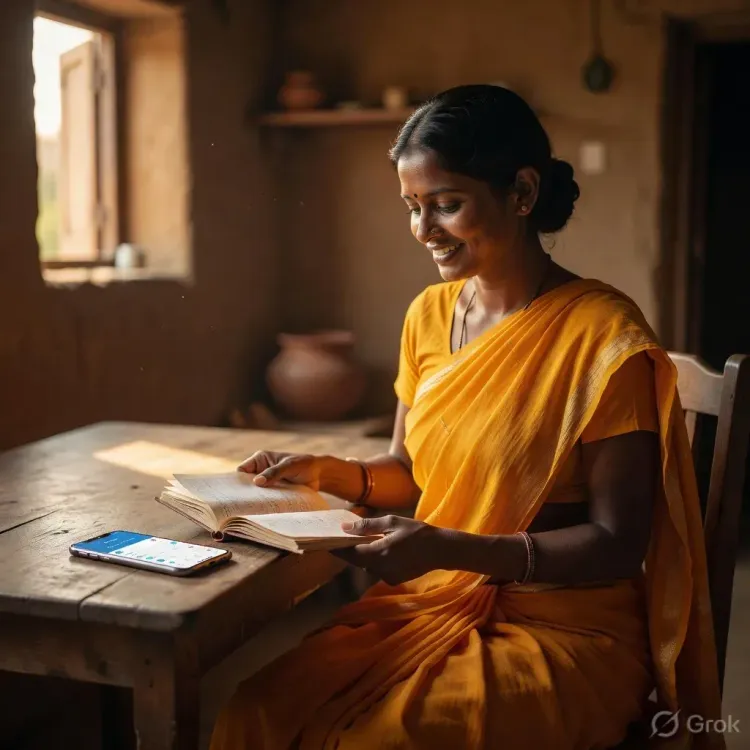
The Chief Minister's Office of Madhya Pradesh announced that over 1.25 crore women will receive ₹1,750 on Rakshabandhan 2026 — the regular ₹1,500 Ladli Behna Yojana instalment plus a ₹250 festival bonus — as CM Dr. Mohan Yadav reaffirmed the government's commitment to women's financial empowerment.
Key Takeaways
Over 1.25 crore women in Madhya Pradesh are set to receive a combined ₹1,750 transfer on Rakshabandhan 2026.
The payout comprises the regular ₹1,500 monthly instalment under the Mukhya Mantri Ladli Behna Yojana and a special ₹250 Rakshabandhan neg (gift).
The scheme was launched in March 2023 by then CM Shivraj Singh Chouhan at ₹1,000/month and has since been revised upward to ₹1,500/month .
Mohan Yadav framed the transfer as part of the government's resolve to ensure 'happiness, prosperity and dignity' for every woman in the state.
Transfers are made directly to beneficiaries' bank accounts, positioning the scheme within India's broader direct-benefit-transfer architecture.
This Rakshabandhan, Madhya Pradesh is sending more than just good wishes — it is sending money. The Chief Minister's Office of Madhya Pradesh announced on Wednesday, 19 August 2026 that over 1.25 crore women across the state will receive a combined payout of ₹1,750 in their bank accounts: the regular monthly instalment of ₹1,500 under the Mukhya Mantri Ladli Behna Yojana, topped up with a special Rakshabandhan neg (gift) of ₹250.
What the CM said — and what it means for 1.25 crore households
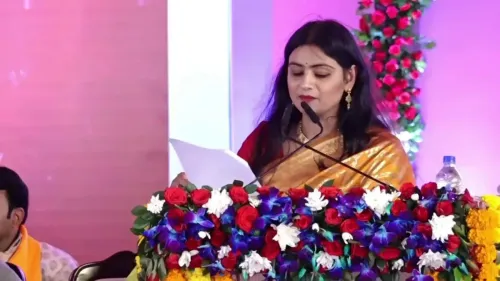
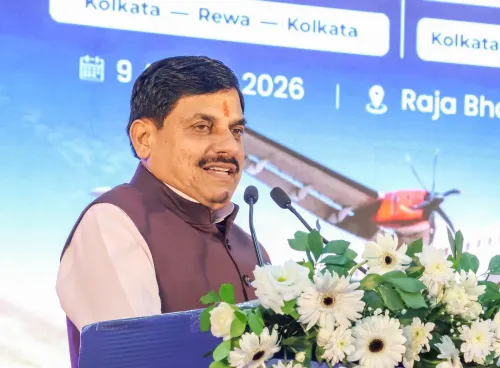
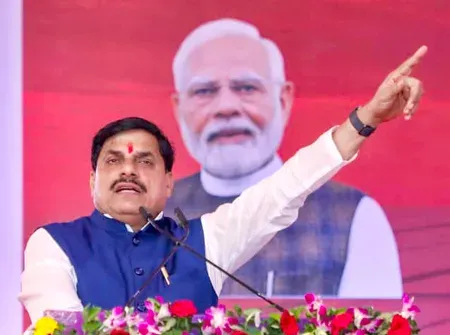
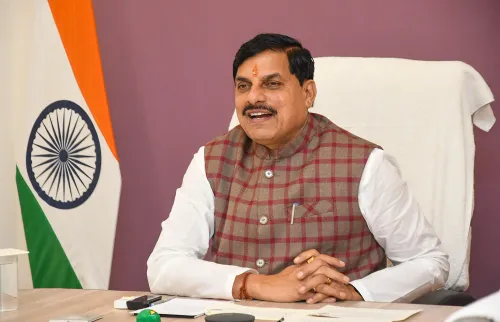
Chief Minister Dr. Mohan Yadav, quoted in the post, framed the transfer as a statement of intent: 'Our government is continuously working with the resolve that every sister in the state experiences happiness, prosperity and dignity, and realises her dreams with confidence.' The ₹250 Rakshabandhan bonus is positioned not as charity but as aarthik sambal — economic support — on a day when the cultural script already centres women.
The timing is deliberate. Rakshabandhan is among the most widely observed festivals in Madhya Pradesh's largely rural beneficiary base, and anchoring a cash transfer to it amplifies both the emotional resonance and the political visibility of the scheme.
Ladli Behna's journey: from ₹1,000 to ₹1,500 a month
The Mukhya Mantri Ladli Behna Yojana was launched in March 2023 by then Chief Minister Shivraj Singh Chouhan with a starting monthly payout of ₹1,000. The amount was subsequently revised upward to the current ₹1,500. Dr. Mohan Yadav, who took charge as Chief Minister in December 2023, has continued and expanded the scheme under the BJP-led state government.
Direct bank transfers are the scheme's backbone — they bypass intermediaries and build a measurable record of financial inclusion for women who may otherwise operate outside the formal banking system. Festival-linked top-ups have become a recurring feature, keeping the programme visible between policy cycles.
MP's women-welfare playbook in a national context
Madhya Pradesh is not alone in this approach. Across India, state governments have turned unconditional cash transfers to women into a central plank of welfare policy — and electoral strategy. What distinguishes the Ladli Behna model is its scale and its direct-to-account architecture, which the state government regularly highlights as a transparency safeguard.
The broader question — whether monthly transfers of this size materially shift women's economic autonomy or primarily serve as income support — remains actively debated in policy circles. What is not debated: the scheme's reach. Over 1.25 crore beneficiaries means it touches a significant share of Madhya Pradesh's female population.
With state budget allocations for the next fiscal year still to be announced, any revision to the monthly amount or eligibility criteria will be the next signal of where this programme is headed.
Point of View
The Ladli Behna Yojana has become a signature programme that successive CMs have chosen to expand rather than redesign, signalling institutional continuity over political differentiation. The scheme's scale — 1.25 crore direct beneficiaries — also makes it a significant financial commitment, and future budget decisions on the monthly amount will reveal whether this is a floor or a ceiling. Nationally, it feeds into a competitive dynamic where states benchmark women's cash-transfer amounts against each other, quietly raising the political cost of rolling back such programmes.
NationPress
3 Oct 2026
Frequently Asked Questions
What is the Mukhya Mantri Ladli Behna Yojana?
The Mukhya Mantri Ladli Behna Yojana is a Madhya Pradesh government scheme that provides monthly cash transfers directly to eligible women's bank accounts to promote financial empowerment and self-reliance. It was launched in March 2023 and currently pays ₹1,500 per month per beneficiary.
How much money will Ladli Behna beneficiaries receive on Rakshabandhan 2026?
Beneficiaries will receive a total of ₹1,750 — the regular monthly instalment of ₹1,500 plus a special Rakshabandhan bonus of ₹250 announced by CM Dr. Mohan Yadav.
Who started the Ladli Behna Yojana in Madhya Pradesh?
The scheme was launched in March 2023 by then Chief Minister Shivraj Singh Chouhan with an initial monthly amount of ₹1,000, which was later revised upward to ₹1,500.
How many women benefit from the Ladli Behna Yojana?
According to the Chief Minister's Office of Madhya Pradesh, over 1.25 crore women are enrolled as beneficiaries and receive monthly transfers under the scheme.
Is the Rakshabandhan bonus under Ladli Behna a one-time payment?
Yes, the ₹250 Rakshabandhan bonus is an additional one-time transfer made alongside the regular ₹1,500 monthly instalment for the festival period, as announced by CM Dr. Mohan Yadav on 19 August 2026.