MP CM Mohan Yadav Champions Chambal, Narmada at Gandhi Sagar Cabinet
Synopsis
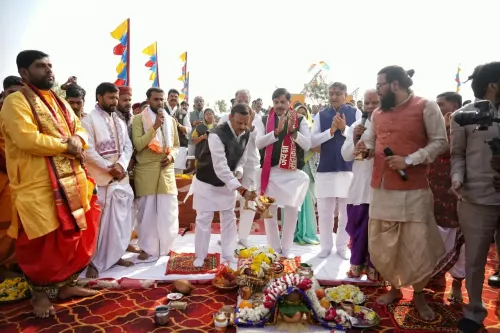
At a cabinet session at Gandhi Sagar on 18 November 2026, Madhya Pradesh CM Dr. Mohan Yadav cited Vedic scripture to elevate the Chambal and Narmada rivers as cultural treasures, urging every citizen to conserve water and protect river sources for future generations.
Key Takeaways
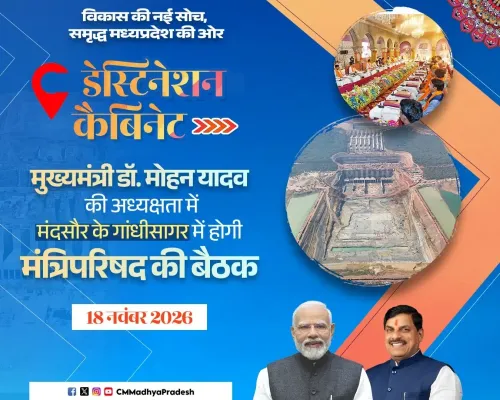
Mohan Yadav addressed a formal cabinet meeting at Gandhi Sagar on 18 November 2026 .
He identified the Chambal River with the ancient Vedic name Charmanyavati , citing its mention in Indian scriptures.
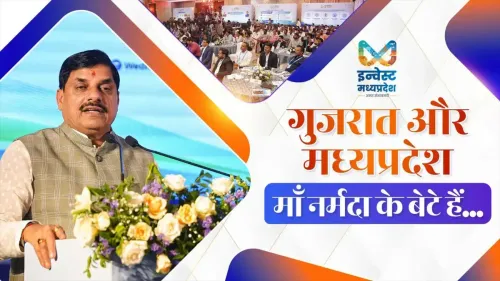
Both the Narmada and Chambal were described as the cultural identity and 'foundation of life' for Madhya Pradesh.
The CM called water conservation a collective civic responsibility, coining the phrase 'Jal hai toh jeevan hai' — 'Where there is water, there is life.' Gandhi Sagar Dam , built under the 1950s Chambal Valley Project, is the symbolic and infrastructural heart of Chambal water management.
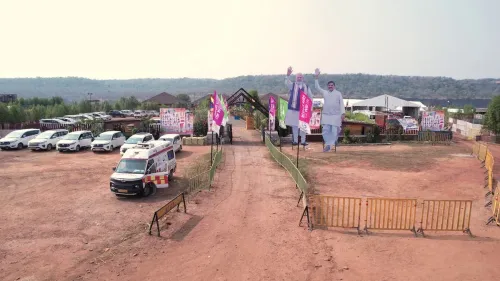
At a cabinet session held at the historic Gandhi Sagar reservoir on 18 November 2026, Madhya Pradesh Chief Minister Dr. Mohan Yadav invoked ancient scripture to frame a pointed call for water conservation — linking the sacred identity of the state's rivers directly to the survival of future generations.
Speaking at the #GandhiSagarCabinetMP meeting, CM Yadav reminded citizens that the Chambal River — known in India's ancient texts as Charmanyati or Charmanyavati — carries a lineage older than the state itself. 'Our scriptures mention the Charmanyavati river — she is our Chambal Maiya,' he said, drawing a direct line from Vedic literature to the living river. 'Sacred rivers like Maa Narmada and Chambal write the story of Madhya Pradesh's pride, dignity, and cultural identity.'
Sacred rivers, urgent stakes
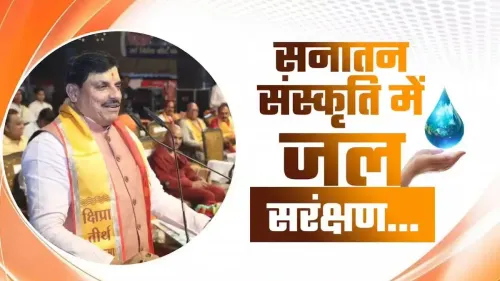
The Chief Minister's message moved quickly from reverence to responsibility. 'These rivers are not just our faith — they are the very foundation of life,' Yadav said, condensing the argument to a single axiom: 'Jal hai toh jeevan hai' — 'Where there is water, there is life.' He called on every citizen to conserve each drop, protect water sources, and safeguard this 'invaluable natural heritage' for generations yet to come.
The Chambal and Narmada together form the hydrological spine of Madhya Pradesh. The Narmada, rising in the state's Amarkantak plateau, is one of India's most revered west-flowing rivers and the lifeblood of tens of millions across central India. The Chambal, flowing north-eastward through MP and along its border with Rajasthan, drains one of the country's most agriculturally significant river valleys.
Gandhi Sagar: where the Chambal was first harnessed
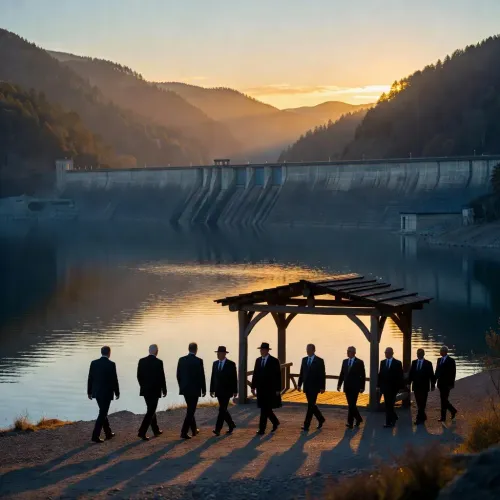
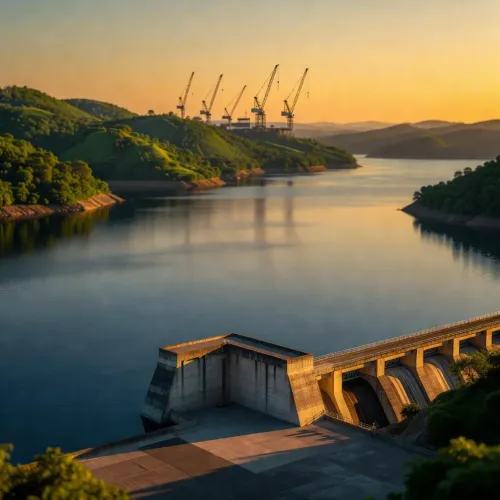
The choice of venue amplifies the message. Gandhi Sagar Dam, the first structure built under the Chambal Valley Project launched in the 1950s, was a landmark multipurpose project designed to deliver irrigation water and hydropower to Madhya Pradesh and Rajasthan jointly. Holding a cabinet meeting here is itself a symbolic act — governance travelling to the river, rather than the other way around.
Madhya Pradesh administrations have long woven cultural and religious narratives around river conservation, using the reverence millions hold for the Narmada and Chambal to build public buy-in for practical water management programmes. CM Yadav's remarks fit squarely within that tradition — but the Gandhi Sagar setting, and the hashtag marking a formal cabinet sitting at the site, signals that decisions of substance may follow the symbolism.
A conservation ethic rooted in collective duty
The CM's framing was deliberately inclusive. Rather than directing conservation as a government decree, he cast it as a shared civic obligation: 'It is the responsibility of all of us to preserve every single drop of water and protect our water sources.' That language — broad, participatory, non-partisan — mirrors national discourse around water stewardship that has grown louder as groundwater tables drop and monsoon variability increases across the Gangetic and peninsular belts.
Whether the Gandhi Sagar cabinet session produces concrete policy outcomes — new protection norms for river catchments, expanded irrigation mandates, or fresh conservation schemes — remains to be confirmed. What is unambiguous is the register in which Madhya Pradesh's top office has chosen to frame water: not as a resource to be managed, but as a heritage to be defended.
Point of View
The government elevates water conservation from bureaucratic policy to a civic and civilisational duty — a framing that generates grassroots resonance without requiring immediate legislative action. The move also positions the BJP administration as steward of both heritage and resource security at a moment when water stress is becoming an increasingly electoral concern across central India. The key question is whether the symbolism at Gandhi Sagar translates into measurable conservation commitments.
NationPress
18 Nov 2026
Frequently Asked Questions
Why did the MP cabinet meet at Gandhi Sagar?
The Madhya Pradesh cabinet convened at Gandhi Sagar as part of the #GandhiSagarCabinetMP initiative, a practice of holding government meetings at significant regional sites to underscore policy priorities — in this case, river conservation and water security.
What is the Charmanyavati river mentioned by CM Mohan Yadav?
Charmanyavati (also spelled Charmanyati) is the ancient Sanskrit name for the Chambal River , found in Vedic texts and Hindu scriptures. CM Yadav cited this name to highlight the river's deep cultural and historical roots.
What is the importance of the Chambal River to Madhya Pradesh?
The Chambal River is a major river flowing through Madhya Pradesh and forming part of its border with Rajasthan. It is the site of the Gandhi Sagar Dam , the first structure of the Chambal Valley Project, which provides irrigation water and hydropower to both states.
What did CM Mohan Yadav say about water conservation?
CM Dr. Mohan Yadav called water conservation a collective responsibility, urging citizens to 'preserve every single drop of water, protect water sources, and safeguard this invaluable natural heritage for future generations,' summarising his message with the phrase 'Jal hai toh jeevan hai' — 'Where there is water, there is life.'
What is the Gandhi Sagar Dam and its significance?
Gandhi Sagar Dam is the first dam built under the Chambal Valley Project , initiated in the 1950s . It is a multipurpose dam on the Chambal River in Madhya Pradesh, providing irrigation, hydropower, and flood control benefits to both Madhya Pradesh and Rajasthan.