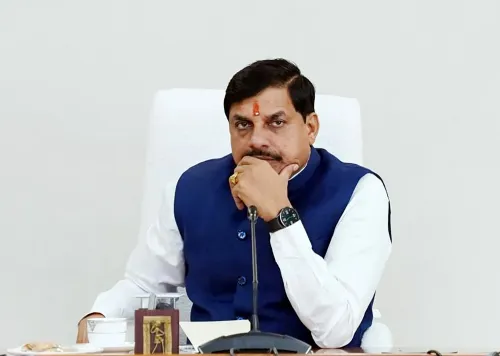
Satpura Tiger Reserve officer suspended for petting wild Sambar deer on video
Synopsis
A Forest Department officer at Madhya Pradesh's Satpura Tiger Reserve has been suspended after video of him feeding poha to and petting a wild Sambar deer went viral. The case has exposed a troubling irony: the very official entrusted with protecting wildlife was allegedly habituating a wild animal — a practice experts warn can lead to conflict, poaching risk, and death.
Key Takeaways
Vinod Verma , In-charge Assistant Director at Itarsi and In-charge Superintendent of the Bori range , was suspended with immediate effect by Field Director Rakesh Nanda .
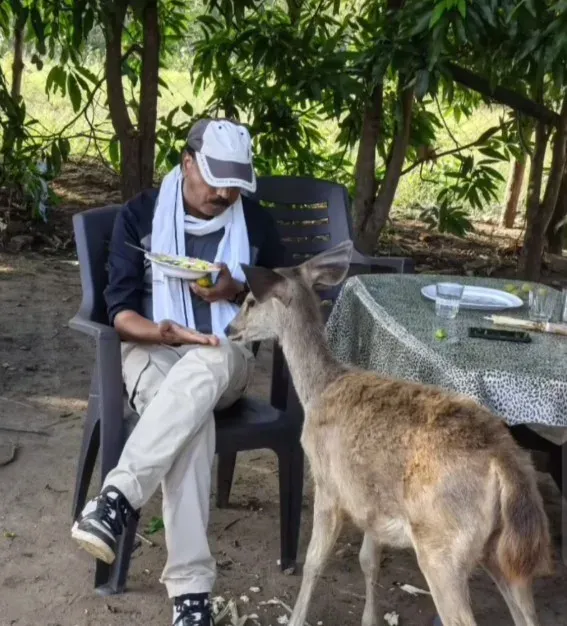
A viral video reportedly showed Verma feeding poha to a wild Sambar deer inside the Churna forest range of Satpura Tiger Reserve .
The suspension order cited 'gross negligence and insensitivity' and a violation of Rule 3, MP Civil Services (Conduct) Rules, 1965 .
Wildlife activists have called for additional action under the Wildlife (Protection) Act, 1972 , beyond departmental proceedings.
Experts warn that habituating wild animals to humans increases the risk of human-wildlife conflict, poaching, and adverse health impacts.
A Forest Department officer posted at the Satpura Tiger Reserve in Madhya Pradesh has been placed under suspension after a video showing him feeding and petting a wild Sambar deer went viral, drawing sharp criticism from wildlife conservationists and demands for legal action under the Wildlife (Protection) Act, 1972.
Who Was Suspended and Why
Vinod Verma, serving as In-charge Assistant Director, Itarsi, and concurrently as In-charge Superintendent of the Bori range within the Satpura Tiger Reserve, was placed under suspension with immediate effect. The suspension order was issued late on Thursday by Field Director Rakesh Nanda.
According to the order, Verma was found to have displayed 'inappropriate behaviour with a wild animal (a sambar deer),' with his conduct described as reflecting 'gross negligence and insensitivity' in the discharge of his official duties. The order cited a violation of Rule 3 of the Madhya Pradesh Civil Services (Conduct) Rules, 1965.
The suspension was invoked under Rule 9(1) of the Madhya Pradesh Civil Services (Classification, Control and Appeal) Rules, 1966. During the suspension period, Verma's headquarters has been fixed at the office of the Assistant Director, Pipariya, and he is barred from leaving the headquarters without prior permission from the Field Director.
What the Viral Video Showed
The controversy erupted after a video — reportedly shared by Verma himself a few days before the suspension — showed him feeding poha to a wild Sambar deer inside the Churna forest range. The officer was also seen touching and petting the animal, which he had reportedly rescued on an earlier occasion.
The footage spread rapidly across social media, prompting an outcry from wildlife experts and activists who argued the conduct violated foundational principles of wildlife management.
Why Such Interaction Is Harmful to Wildlife
Experts stress that wild animals must not be fed or handled unnecessarily. Regular human contact can make animals dependent on people and erode their natural fear of humans — a process known as habituation. Once habituated, animals are significantly more likely to stray into villages and roads in search of food, exposing them to accidents, poaching, and human-wildlife conflict. Close contact and human food can also adversely affect an animal's health and long-term survival prospects.
Notably, the Satpura Tiger Reserve is a protected area under India's Project Tiger umbrella, where strict protocols govern all human-wildlife interaction. An officer's breach of these norms carries particular weight given the position of trust involved.
Activists Welcome Action, Seek Deeper Scrutiny
Wildlife activist Ajay Dubey welcomed the suspension, saying that Principal Secretary Sandeep Yadav had taken 'stern action.' Dubey said the move 'sends a loud and clear message to the entire department that there will be zero tolerance for negligence or violation of wildlife norms by those entrusted with protecting forests and wildlife.'
Separately, wildlife activist Ajay Dube questioned whether the officer's conduct also warranted action under the Wildlife (Protection) Act, 1972, beyond departmental disciplinary proceedings — a question that remains open as of the latest reports.
What Happens Next
A departmental inquiry is expected to follow the suspension. Whether wildlife protection law provisions will be invoked remains to be seen, with activists maintaining pressure on the authorities to pursue all applicable legal avenues. The incident has reignited broader debate about enforcement culture within India's forest protection apparatus.
Point of View
But it raises a harder question: how did a protected reserve officer reach the point of feeding and filming himself with a wild animal without any prior check? Habituation of wildlife is not a momentary lapse — it builds over repeated interactions. If Verma had reportedly rescued the deer earlier, that contact should have been governed by protocol. The real accountability gap here may be supervisory, not just individual. Activists are right to press for Wildlife (Protection) Act proceedings; departmental suspension alone risks treating a systemic failure as a one-off personnel matter.
NationPress
25 Sept 2026
Frequently Asked Questions
Why was Vinod Verma suspended from Satpura Tiger Reserve?
Vinod Verma, a Forest Department officer at Satpura Tiger Reserve, was suspended after a video showed him feeding poha to and petting a wild Sambar deer inside the Churna forest range. The suspension order cited gross negligence, insensitivity, and a violation of MP Civil Services Conduct Rules.
What harm can feeding or petting wild animals cause?
Feeding and petting wild animals can habituate them to humans, reducing their natural fear of people. Habituated animals are more likely to stray into villages and roads, increasing the risk of accidents, poaching, and human-wildlife conflict, while human food can also harm their health.
Could the officer face action under the Wildlife (Protection) Act, 1972?
Wildlife activists have questioned whether the officer's conduct also warrants proceedings under the Wildlife (Protection) Act, 1972, in addition to the departmental suspension already issued. As of the latest reports, no such legal action has been confirmed.
What restrictions has the suspension placed on Vinod Verma?
During the suspension period, Verma's headquarters has been fixed at the office of the Assistant Director, Pipariya, Satpura Tiger Reserve. He is not permitted to leave his headquarters without prior approval from Field Director Rakesh Nanda.
What is the significance of this incident for India's wildlife protection system?
The incident is significant because the officer involved was directly entrusted with protecting wildlife at a Project Tiger reserve. Activists and experts say it exposes a gap in enforcement culture and internal oversight within forest departments, and have called for zero tolerance on wildlife norm violations.