MP CM Office: Religious Tourism Fuels Rural Growth
Synopsis
The Chief Minister's Office of Madhya Pradesh says the state is combining religious tourism promotion with rural development to create jobs and expand economic opportunity, tagging CM Dr. Mohan Yadav and the state Tourism Department in its announcement.
Key Takeaways
The Chief Minister's Office of Madhya Pradesh announced on 12 August 2026 that the state is promoting religious tourism alongside rural development.
Mohan Yadav and the Madhya Pradesh Tourism Department were tagged in the post, signalling official alignment.
The government framed tourism expansion as a direct driver of employment creation and new economic opportunity across the state.
The strategy builds on the Madhya Pradesh Tourism Policy 2016 and earlier religious circuit initiatives around Ujjain and other pilgrimage centres.
Rural communities and local tourism enterprises are identified as key stakeholders and intended beneficiaries of the push.
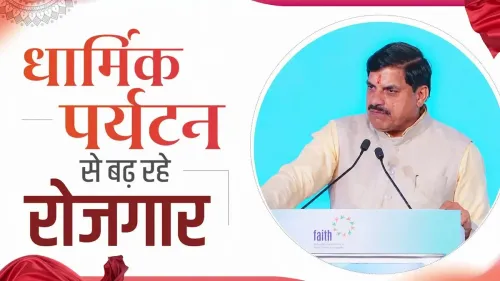
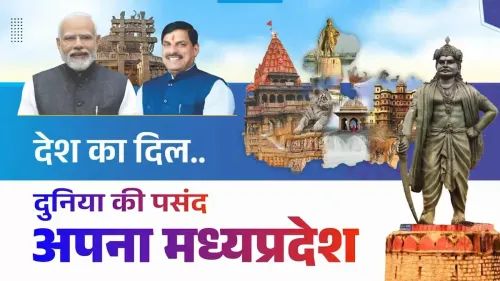
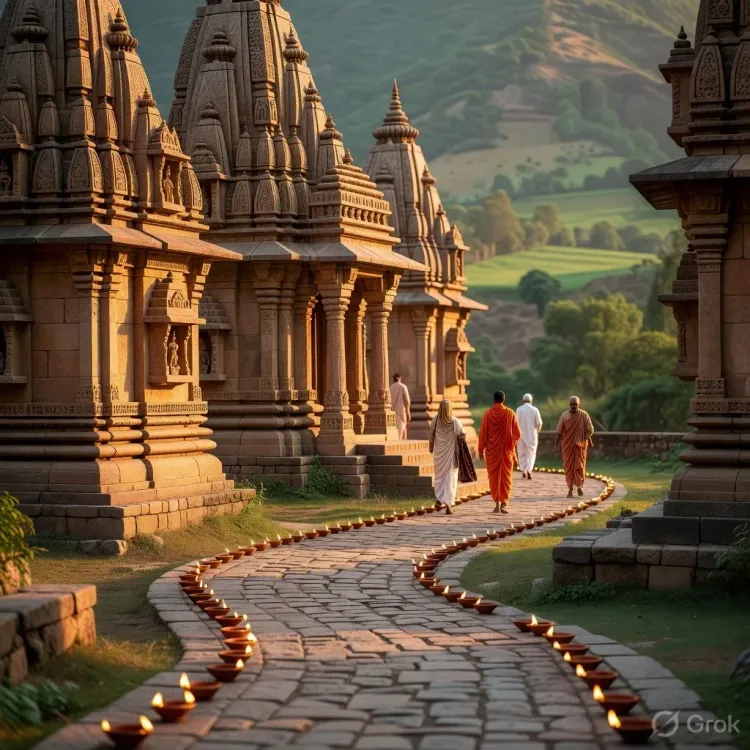
Madhya Pradesh is betting big on its temples and villages — and the state government wants the world to know it. The Chief Minister's Office of Madhya Pradesh posted on 12 August 2026 that the state is actively promoting religious tourism alongside rural development, framing the twin push as a generator of employment and new economic opportunity across the state.
The post, tagging Chief Minister Dr. Mohan Yadav and the Madhya Pradesh Tourism Department, declared: 'Madhya Pradesh mein paryatan ke naye aayam, vikas ki nayi udaan' — 'New dimensions of tourism in Madhya Pradesh, a new flight of development.' The government stated it is prioritising rural development alongside religious tourism promotion, creating fresh avenues for employment and growth through tourism expansion.
Pilgrimage circuits as economic engines
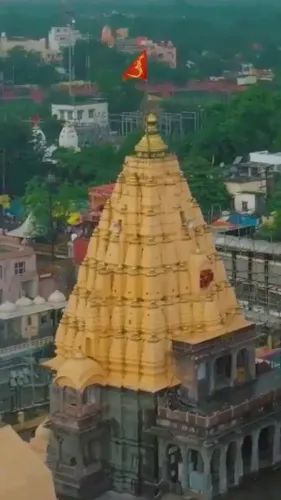
Madhya Pradesh is home to some of India's most significant religious sites, including the Mahakaleshwar Jyotirlinga in Ujjain — one of the twelve sacred Jyotirlingas — which has already drawn massive footfall following major infrastructure upgrades around the temple corridor in recent years. The state government has consistently positioned these pilgrimage hubs not merely as spiritual destinations but as anchors for broader regional economic activity.
This approach traces back to the Madhya Pradesh Tourism Policy 2016, which sought private investment and the development of theme-based tourism circuits. Religious circuits around Ujjain and other pilgrimage centres were promoted through the 2010s, laying the groundwork for the current push.
Rural communities at the centre of the strategy
What distinguishes the current framing is the explicit pairing of religious tourism with rural development — a signal that the state sees village economies as both beneficiaries and participants in tourism growth. Local tourism enterprises, homestays, artisans, and service providers in communities surrounding pilgrimage and heritage sites stand to gain if the policy translates into on-ground infrastructure and connectivity investment.
Across India, state governments have increasingly used tourism as a vehicle for economic diversification, particularly in regions where industrial investment is limited. Madhya Pradesh's circuit-based, inclusive approach aligns with national tourism policy directions that emphasise spreading economic benefits beyond urban centres.
Specific project rollouts, employment figures, and fresh scheme announcements — the details that will determine whether this flight of development actually lifts off — are what to watch in the state's upcoming budget cycles.
Point of View
Madhya Pradesh could offer a replicable model for states seeking to monetise religious geography without alienating rural constituencies.
NationPress
26 Sept 2026
Frequently Asked Questions
What is Madhya Pradesh's religious tourism policy?
Madhya Pradesh promotes religious tourism through circuit-based development around major pilgrimage sites such as the Mahakaleshwar Jyotirlinga in Ujjain, with the government aiming to link these sites to broader rural economic growth and job creation.
How is Madhya Pradesh using tourism to create rural jobs?
The state government is pairing religious tourism promotion with rural development initiatives, intending to channel visitor spending and infrastructure investment into village economies and local tourism enterprises surrounding pilgrimage and heritage sites.
Who is the Chief Minister of Madhya Pradesh?
Dr. Mohan Yadav has been the Chief Minister of Madhya Pradesh since December 2023, with tourism expansion and rural development among his stated governance priorities.
What is the Madhya Pradesh Tourism Policy?
The Madhya Pradesh Tourism Policy 2016 was a state framework aimed at attracting private investment and developing theme-based tourism circuits, including religious circuits around Ujjain and other pilgrimage centres.
Which religious sites are key to Madhya Pradesh tourism?
The Mahakaleshwar Jyotirlinga in Ujjain is among the most significant, being one of India's twelve sacred Jyotirlingas. The state has invested in temple corridor infrastructure to boost pilgrimage footfall and associated economic activity.