MP procures 5.33 lakh tonnes of summer moong at MSP under PM-AASHA
Synopsis
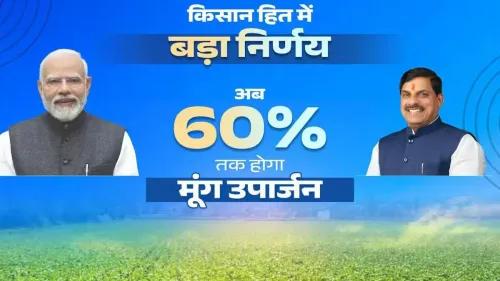
Madhya Pradesh nearly maxed out its Centre-approved moong quota in 2026, procuring 5.33 lakh tonnes against a ceiling of 5.39 lakh tonnes — a dramatic improvement over 2025, when the state fell nearly 27,000 tonnes short of its limit. The Centre's mid-season quota expansion, and the push to cover every registered farmer at MSP, signals a more aggressive delivery of farm-support commitments under PM-AASHA.
Key Takeaways
Madhya Pradesh procured 5.33 lakh tonnes of summer moong in the 2026 season under the PM-AASHA scheme .
The Centre expanded the approved quota from 4,54,580 metric tonnes to 5,39,072 metric tonnes after the state sought additional allocation.
In summer 2025 , the state had procured only 3,93,123.79 tonnes against an approved limit of 4,19,692 tonnes .
Procurement was conducted through NAFED and NCCF ; all willing, registered farmers received the MSP .
The Centre asked Madhya Pradesh to expedite implementation of RWBCIS and flagged pending rollout of the WINDS data system.
Reintroduction of Crop Cutting Experiments (CCEs) recommended to validate technology-based yield models.
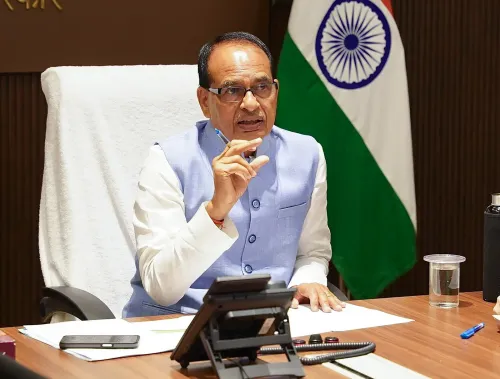
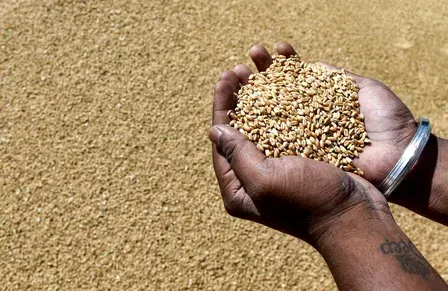
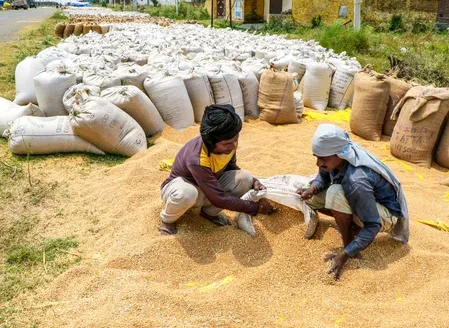
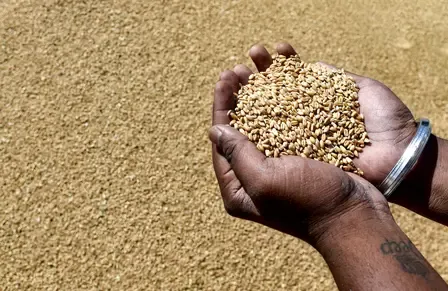
Madhya Pradesh procured 5.33 lakh tonnes of summer moong during the 2026 season under the PM-AASHA scheme, nearly exhausting the Centre's total approved quota of 5,39,072 metric tonnes, Union Agriculture Minister Shivraj Singh Chouhan said on Thursday, 27 August. The achievement marks a significant scale-up from the previous year and signals stronger MSP delivery to farmers in the state.
How the Procurement Quota Was Expanded
The Centre had initially sanctioned 4,54,580 metric tonnes of moong for Madhya Pradesh under PM-AASHA. After the state government sought additional allocation to ensure no registered farmer willing to sell at the Minimum Support Price (MSP) was turned away, the Centre approved a further 84,492 metric tonnes, taking the total approved quantity to 5,39,072 metric tonnes.
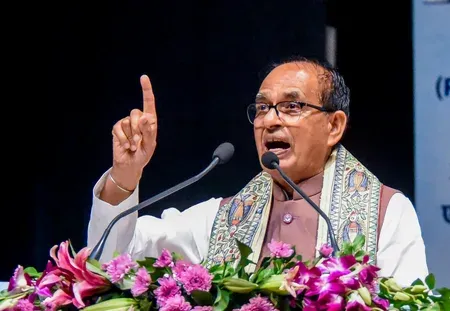
'The Centre had initially approved 4,54,580 metric tonnes of moong for Madhya Pradesh and, keeping the interests of farmers in mind, another 84,492 metric tonnes was approved. This took the total approved quantity to 5,39,072 metric tonnes,' Chouhan said in a statement.
Year-on-Year Comparison
The 2026 procurement of 5.33 lakh tonnes represents a sharp jump over the summer 2025 season, when the state procured 3,93,123.79 tonnes against an approved ceiling of 4,19,692 tonnes. That earlier season saw procurement fall well short of its approved limit — a gap that appears to have been addressed through better farmer registration and outreach this year.
The procurement was carried out primarily through the National Agricultural Cooperative Marketing Federation of India (NAFED) and the National Cooperative Consumers' Federation of India (NCCF). Officials confirmed that all willing and registered farmers were covered and received the MSP for their produce.
Crop Insurance and Weather Data Systems Reviewed
Chouhan chaired a virtual meeting in New Delhi with Madhya Pradesh's agriculture and horticulture ministers to also review crop insurance implementation. The Centre confirmed it had provided the term sheet the state had requested to implement the restructured Weather Based Crop Insurance Scheme (RWBCIS) under the Pradhan Mantri Fasal Bima Yojana (PMFBY), and asked authorities to expedite the rollout.
The Weather Information Network and Data System (WINDS) was also discussed. Officials noted that its implementation in Madhya Pradesh remains pending — a gap flagged as critical for the effective execution of RWBCIS. The Centre additionally recommended reintroducing Crop Cutting Experiments (CCEs) to validate and recalibrate technology-based crop yield assessment models, and proposed a blended approach combining field-level assessments with digital estimates.
What the Government Said
'Procurement, timely payment and an effective crop insurance system are all important for protecting farmers' interests. The Centre and Madhya Pradesh will work together to strengthen these arrangements further,' Chouhan said.
With the procurement period now closed, attention shifts to timely MSP payments to farmers and accelerating the RWBCIS rollout ahead of the next crop cycle.
Point of View
Who staked his agricultural credibility on MSP delivery after returning to the Centre. But the more telling detail is the mid-season quota expansion — it suggests initial planning underestimated farmer demand, a recurring structural issue in PM-AASHA implementation. Meanwhile, the pending WINDS rollout and stalled RWBCIS term sheet point to a persistent gap between policy announcement and ground-level execution on crop insurance. Until that infrastructure is in place, farmers remain exposed to weather risk even as procurement numbers improve.
NationPress
27 Aug 2026
Frequently Asked Questions
How much summer moong did Madhya Pradesh procure in 2026?
Madhya Pradesh procured 5.33 lakh tonnes of summer moong in the 2026 season under the PM-AASHA scheme, nearly exhausting the Centre's total approved quota of 5,39,072 metric tonnes.
What is the PM-AASHA scheme?
PM-AASHA (Pradhan Mantri Annadata Aay SanraksHan Abhiyan) is a central government scheme designed to ensure farmers receive the Minimum Support Price (MSP) for their produce. It includes provisions for price support operations conducted through agencies such as NAFED and NCCF.
How does the 2026 moong procurement compare to 2025?
In summer 2025, Madhya Pradesh procured 3,93,123.79 tonnes against an approved limit of 4,19,692 tonnes, falling well short of its quota. The 2026 figure of 5.33 lakh tonnes represents a significant year-on-year increase and near-full utilisation of the expanded quota.
Why did the Centre expand Madhya Pradesh's moong quota?
The state government requested additional allocation to ensure that all farmers willing to sell at the MSP could be covered. The Centre approved an extra 84,492 metric tonnes, raising the total approved quantity from 4,54,580 to 5,39,072 metric tonnes.
What crop insurance issues were discussed at the review meeting?
The virtual meeting reviewed implementation of the restructured Weather Based Crop Insurance Scheme (RWBCIS) under PMFBY. The Centre provided the term sheet requested by the state and flagged the pending rollout of the WINDS data system as critical. It also recommended reintroducing Crop Cutting Experiments to validate technology-based yield assessments.