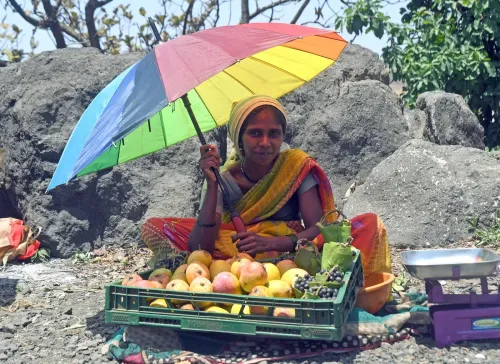
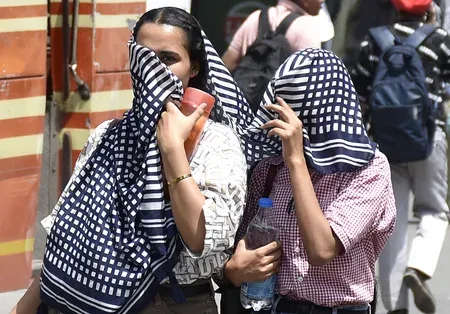
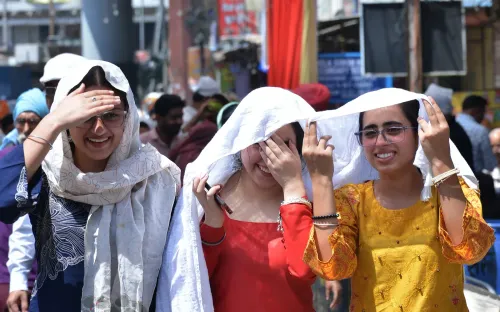
Madhya Pradesh heatwave: Red alert in 8 districts, temps touch 47°C till May 26
Synopsis
Eight districts in Madhya Pradesh are on red alert as a severe heatwave pushes temperatures to 47°C — with no immediate relief in sight. The IMD says extreme conditions will persist until at least 26 May, hospitals are already reporting rising heat-exhaustion cases, and the delayed southwest monsoon offers little comfort for now.
Key Takeaways
The IMD has issued a red alert for Shivpuri, Guna, Ashoknagar, Datia, Bhind, Morena, Sheopur , and parts of Gwalior in Madhya Pradesh .
Daytime temperatures are forecast between 44°C and 47°C , with the heatwave expected to persist until at least 26 May .
Orange alerts cover Vidisha, Raisen, Rajgarh , and surrounding areas; remaining districts are under yellow alert.
Hospitals across the state are already reporting increased cases of dehydration and heat exhaustion .
The extreme heat is attributed to a high-pressure system and the delayed southwest monsoon ; only isolated showers are expected near 26 May.
Local administrations are activating heat action plans , including shaded rest areas and public awareness drives.
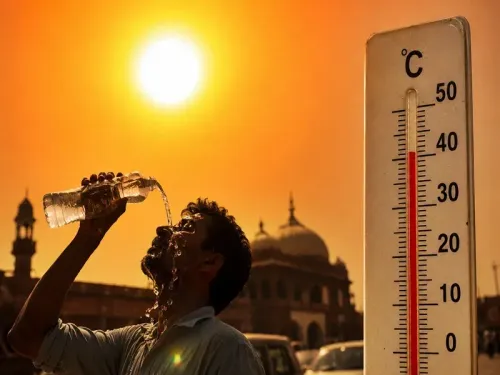
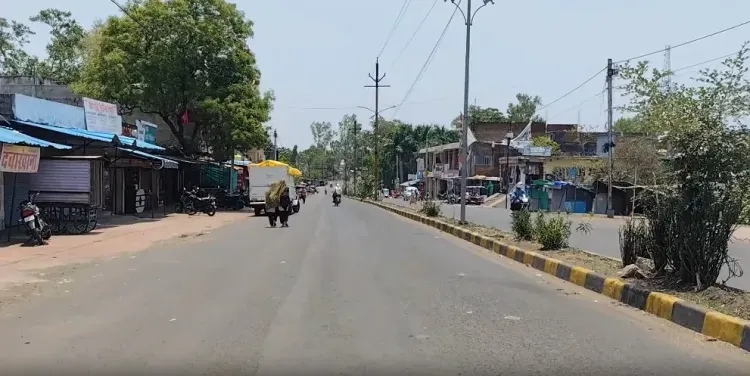
The India Meteorological Department (IMD) has issued red and orange alerts across multiple districts of Madhya Pradesh as a severe heatwave grips the state, with daytime temperatures soaring between 44°C and 47°C. The extreme heat is forecast to persist until at least 26 May, posing serious health risks to residents across all age groups.
Alert Levels and Affected Districts
The Meteorological Centre, Bhopal has placed Shivpuri, Guna, Ashoknagar, Datia, Bhind, Morena, Sheopur, and parts of Gwalior under red alert — the highest warning tier — signalling a very high probability of heatstroke and related ailments across all age groups. Orange alerts cover Vidisha, Raisen, Rajgarh, and adjoining areas, where prolonged sun exposure and heavy physical exertion could trigger serious health complications. The remaining districts are under yellow alert, with particular caution advised for children, the elderly, and those with pre-existing medical conditions.
Why Temperatures Are This High
According to the IMD bulletin, the scorching conditions stem from a prevailing high-pressure system combined with the delayed advancement of the southwest monsoon. The monsoon's northern limit is progressing slowly, and full relief is not expected immediately. A western disturbance and a cyclonic circulation over northwest Pakistan are being monitored, but their influence on Madhya Pradesh is expected to remain limited in the coming days. Only isolated or scattered showers are possible in some eastern and northern districts toward the end of the forecast period — around 26 May.
Health Impact and Official Advisories
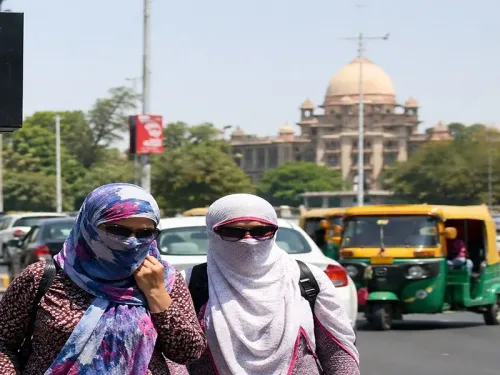
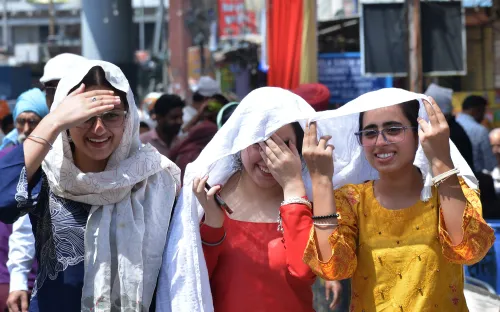
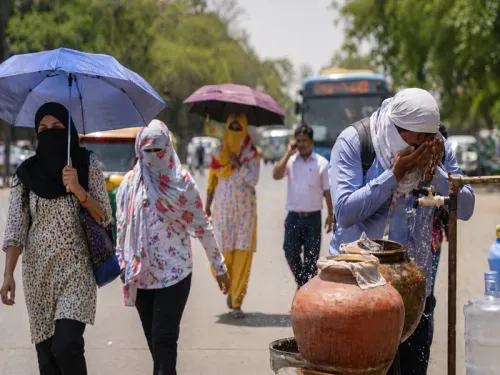
Hospitals across the state have already reported a rise in cases of dehydration and heat exhaustion. Health authorities and the IMD have urged residents to drink plenty of water throughout the day, avoid stepping out between noon and 3 pm, and wear loose, light-coloured cotton clothing. The use of ORS, lemon water, and buttermilk is strongly recommended. Special precautions are advised for infants, the elderly, and those with chronic illnesses.
Measures for Farmers and Livestock
Farmers have been advised to schedule irrigation during early morning or evening hours, avoid applying fertilisers and pesticides during peak heat hours, and ensure shade and clean drinking water for livestock. Local administrations in the worst-affected districts are activating heat action plans, including setting up shaded resting areas and running public awareness campaigns.
What to Expect Next
There is cautious optimism that conditions may ease in some parts of the state after 26 May as the southwest monsoon edges closer. For now, the IMD has appealed to citizens to stay vigilant and follow official updates regularly. The prolonged heat spell adds to the pressure on a state still contending with the cumulative toll of an unusually intense summer season.
Point of View
Yet hospital systems in smaller districts remain under-equipped for mass heat-casualty events. The delayed monsoon is a meteorological fact, but the inadequacy of shaded public infrastructure and last-mile ORS distribution in rural areas is a governance choice. Until heat action plans move beyond advisories into verifiable ground-level execution, the annual death toll from heat-related illness will remain an avoidable statistic.
NationPress
7 Oct 2026
Frequently Asked Questions
Which districts in Madhya Pradesh are under red alert for the heatwave?
Shivpuri, Guna, Ashoknagar, Datia, Bhind, Morena, Sheopur, and parts of Gwalior are under red alert, indicating a very high probability of heatstroke across all age groups. These are the highest-risk zones identified in the IMD bulletin issued on 22 May.
How long will the heatwave last in Madhya Pradesh?
The IMD forecasts that extreme heatwave conditions will persist until at least 26 May. Cautious optimism exists that some relief may arrive after that date as the southwest monsoon edges closer, but full relief is not expected immediately.
What precautions should residents take during the MP heatwave?
Residents should avoid going outdoors between noon and 3 pm, drink plenty of water and fluids such as ORS, lemon water, and buttermilk, and wear loose, light-coloured cotton clothing. Special care is advised for infants, the elderly, and people with chronic illnesses.
Why is the heatwave so severe in Madhya Pradesh this year?
The IMD attributes the extreme heat to a prevailing high-pressure system and the delayed advancement of the southwest monsoon. A western disturbance and cyclonic circulation over northwest Pakistan are being monitored but are expected to have limited impact on the state.
What are authorities doing to manage the heatwave impact?
Local administrations in affected districts are activating heat action plans, setting up shaded resting areas, and running public awareness campaigns. Farmers have also received specific advisories on irrigation scheduling and livestock care during peak heat hours.