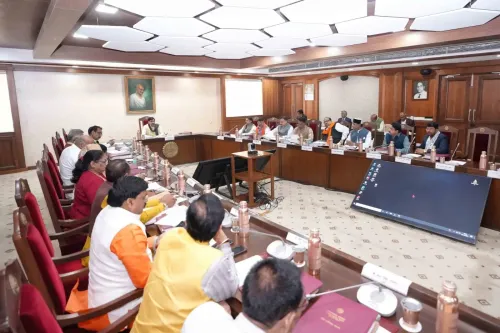
Simhastha 2028: MP govt identifies 18 approach road sites to Shipra ghats in Ujjain

Synopsis
With Simhastha 2028 still three years away, Madhya Pradesh has already identified 18 approach road sites along a 29-km Shipra River stretch — and flagged 140 more connecting routes in a single inspection. The scale of advance planning signals that Ujjain's administration is treating the next Simhastha as a logistical overhaul, not just a routine upgrade.
Key Takeaways
The Madhya Pradesh government has identified 18 locations for new approach roads to Shipra River ghats in Ujjain for Simhastha 2028 .
The proposed roads will serve newly built ghats along a 29-km stretch of the Shipra, with most access routes within a 200-metre radius of the riverbanks.
Around 140 additional connecting routes to ghats were also identified during the same inspection on 14 May .
Key access points include areas near Gau Ghat , Wakankar Bridge , Jeevan Khedi , and Shri Shani Temple .
Divisional Commissioner Ashish Singh and Ujjain Collector Roshan Kumar Singh are leading regular on-ground inspections across the mela zone.
Chief Minister Yadav is personally reviewing Simhastha preparations and issuing directions to all departments.
The Madhya Pradesh government has identified 18 locations for developing new approach roads to ghats along the Shipra River in Ujjain, as part of large-scale infrastructure preparations for Simhastha 2028, officials said on Thursday, 14 May. The proposed roads will serve newly constructed ghats spread across a 29-km stretch of the Shipra, enabling smooth movement of lakhs of devotees expected during the religious congregation.
Scope of the Connectivity Plan
The 18 identified locations will link newly developed ghats up to the Unhel Road Bridge area, according to an official statement. Beyond the primary approach roads, officials identified around 140 additional locations for proposed connecting routes to ghats during the same inspection exercise, with departments instructed to initiate preparatory work immediately.
The plan also incorporates organised parking facilities and improved pedestrian access to bathing areas, with most proposed access routes falling within a 200-metre radius of the riverbanks. Both existing and newly constructed ghats are being integrated into the connectivity framework.
Key Access Points Identified
The proposed access points span several prominent landmarks along the riverbank, including areas near Gau Ghat, behind the Vedhshala, Wakankar Bridge, Jeevan Khedi, and Shri Shani Temple. Officials also conducted inspections of the ghat area beneath Lal Pul Bridge during the survey.
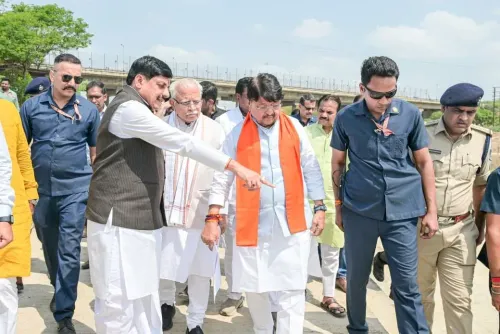
The inspection team began their survey from the bridge near Shri Vikrant Bhairav Temple and covered nearly five kilometres on foot along the riverbank, assessing infrastructure requirements and the pace of ongoing work.
Senior Officials Lead Ground-Level Review
Divisional Commissioner and Simhastha Mela Officer Ashish Singh, along with Ujjain Collector Roshan Kumar Singh and representatives from multiple departments, are conducting regular inspections across the mela zone. The ground-level reviews are aimed at identifying gaps in infrastructure and ensuring timely execution.
'All departments have accelerated the pace of development works related to Simhastha. Chief Minister Yadav is regularly reviewing the preparations, obtaining updates and issuing necessary directions,' the official statement said.
What This Means for Simhastha 2028
Simhastha, held once every 12 years in Ujjain, is one of India's largest religious gatherings, drawing tens of millions of pilgrims to the banks of the Shipra. Infrastructure bottlenecks — particularly around ghat access and crowd management — have historically posed challenges at such scale. The current push to build dedicated approach roads and parking corridors signals that the state government is prioritising crowd dispersal and devotee safety well ahead of the event. With preparations still years out, the pace of ground-level inspections and multi-departmental coordination suggests the administration is treating the 2028 edition as a logistical benchmark.
Point of View
Crowd bottlenecks, and parking chaos have recurred across editions. The 200-metre radius rule for access routes and the integration of existing and new ghats into one connectivity grid suggest a more systematic approach than past preparations. The real test will be whether multi-departmental coordination holds through execution — a challenge that has undone ambitious pre-Kumbh and pre-Simhastha plans before.
NationPress
7 Oct 2026
Frequently Asked Questions
What is Simhastha 2028 and why is it significant?
Simhastha is a major Hindu pilgrimage fair held once every 12 years in Ujjain on the banks of the Shipra River, drawing tens of millions of devotees. The 2028 edition is being treated as a large-scale logistical undertaking, with the Madhya Pradesh government beginning infrastructure preparations years in advance.
How many approach road sites have been identified for Simhastha 2028?
The Madhya Pradesh government has identified 18 locations for new approach roads connecting ghats along a 29-km stretch of the Shipra River. An additional 140 connecting routes to ghats were also flagged during the same inspection on 14 May.
Which areas are covered under the new approach road plan?
The proposed access points include areas near Gau Ghat, behind the Vedhshala, Wakankar Bridge, Jeevan Khedi, and Shri Shani Temple, as well as the ghat area beneath Lal Pul Bridge. The roads will extend up to the Unhel Road Bridge area.
Who is overseeing the Simhastha 2028 infrastructure preparations?
Divisional Commissioner and Simhastha Mela Officer Ashish Singh and Ujjain Collector Roshan Kumar Singh are leading regular inspections across the mela zone. Chief Minister Yadav is personally reviewing progress and issuing directions to all departments.
What other infrastructure is planned alongside the approach roads?
The plan includes organised parking facilities, improved pedestrian access to bathing areas, and the integration of both existing and newly constructed ghats into a single connectivity framework, with most access routes proposed within a 200-metre radius of the riverbanks.