MP to get 13 MRI machines, 308 AI X-ray devices under PM-CARES
Synopsis
Madhya Pradesh is set for a significant diagnostic upgrade — 13 MRI machines, 11 mammography units, and 308 AI-enabled handheld X-ray devices over three years under PM-CARES. The announcement, tied to a formal MoU with the Union Health Ministry, signals a targeted push to close the imaging gap in the state's rural and remote districts.
Key Takeaways
Madhya Pradesh will receive 13 MRI machines , 11 mammography machines , and 308 AI-enabled handheld X-ray devices under PM-CARES over the next three years .
The equipment allocation is backed by an MoU between the MP Public Health and Medical Education Department and the Union Ministry of Health and Family Welfare .
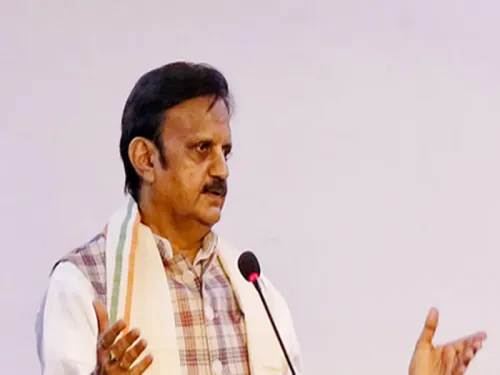
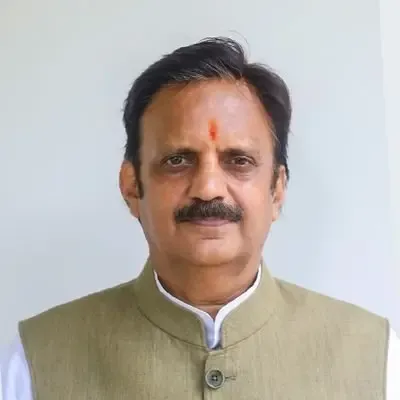
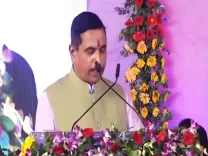
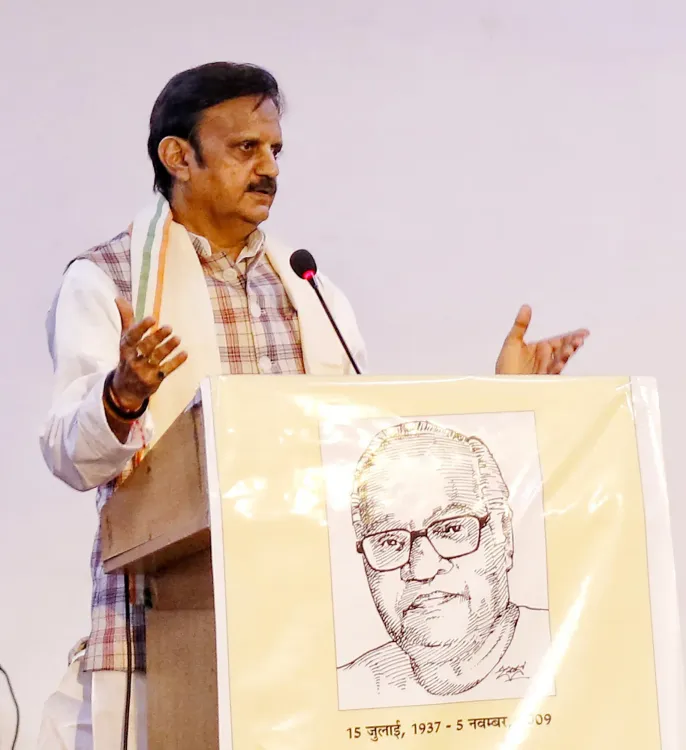
Deputy Chief Minister Rajendra Shukla made the announcement on 29 June after attending the Digital Health Initiatives Launch Event in New Delhi .
Union Health Minister Jagat Prakash Nadda launched nine digital health platforms at the event, including Aarogya Setu 2.0 and the Ayushman App .
India has created more than 90 crore ABHA accounts and over 100 crore digital health records , according to Nadda.
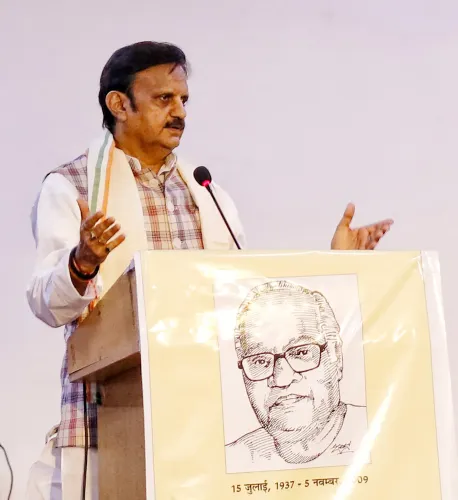
Madhya Pradesh is set to receive 13 MRI machines, 11 mammography machines, and 308 AI-enabled handheld X-ray devices over the next three years under the PM-CARES initiative, Deputy Chief Minister Rajendra Shukla announced on 29 June after attending a digital health event in New Delhi. The equipment allocation follows a Memorandum of Understanding (MoU) signed between the Madhya Pradesh Public Health and Medical Education Department and the Union Ministry of Health and Family Welfare, aimed at modernising diagnostic infrastructure across the state.
What the Equipment Allocation Covers
The package includes advanced imaging and diagnostic tools intended primarily for districts with limited healthcare access. The 308 AI-enabled handheld X-ray devices are designed for deployment in remote and rural settings, where conventional radiology infrastructure is absent or inadequate. The 11 mammography machines are expected to strengthen early detection of breast cancer in underserved populations.
Shukla said the new equipment would give a major boost to healthcare services in Madhya Pradesh and help provide better, accessible, high-quality diagnostic facilities to citizens — especially those living in remote areas. He thanked Prime Minister Narendra Modi and Union Health and Family Welfare Minister Jagat Prakash Nadda for extending support to the state.
The Digital Health Launch Event
The announcement was made at the 'Digital Health Initiatives Launch Event' organised by the Union Health Ministry in New Delhi. At the event, Union Health Minister Jagat Prakash Nadda launched a suite of digital platforms designed to make healthcare services more integrated, transparent, and citizen-centric.
The platforms launched include Aarogya Setu 2.0, the Ayushman App, the Ayushman Sarathi WhatsApp Chatbot, the National Health Claims Exchange (NHCX), the Unified Health Interface (UHI), the e-Sushrut Clinic, the Drug Registry, the Common LOINC Codes for India (CLCI), and the Bharat Health Terminology Service (BHTS). Together, these tools are intended to create a unified digital spine for India's public health delivery system.
India's Digital Health Scale
Addressing the gathering, Nadda said India has created more than 90 crore ABHA accounts and over 100 crore digital health records, positioning the country as one of the world's largest digital health ecosystems. He added that Aarogya Setu 2.0 would consolidate multiple health services on a single platform for mothers, children, youth, senior citizens, and patients with chronic illnesses.
Impact on Madhya Pradesh
Shukla noted that digital health initiatives and modern diagnostic facilities would complement each other to improve healthcare delivery across Madhya Pradesh. He said the combined push would strengthen public health services, improve early disease diagnosis, and make quality healthcare more accessible through technology and better medical infrastructure. This comes amid sustained concerns about diagnostic gaps in the state's rural belt, where patients often travel long distances for basic imaging services.
The MoU-backed equipment rollout is expected to begin in phases, with delivery timelines spread across the next three years.
Point of View
Forcing patients to travel for basic imaging. However, equipment allocation alone does not resolve the deeper shortage of trained radiologists and technicians needed to operate MRI and mammography units in district hospitals. The AI-enabled handheld X-ray devices are the more immediately deployable piece of this package, but their impact will depend on connectivity and clinical follow-up protocols that the announcement does not detail. India's broader digital health ambition — 90 crore ABHA accounts, 100 crore records — is impressive in scale, but the Madhya Pradesh rollout will be a test of whether that digital spine translates into last-mile diagnostic access.
NationPress
29 Jun 2026
Frequently Asked Questions
What equipment will Madhya Pradesh receive under PM-CARES?
Madhya Pradesh will receive 13 MRI machines, 11 mammography machines, and 308 AI-enabled handheld X-ray devices over the next three years under the PM-CARES initiative. The allocation is part of an MoU signed between the state's Public Health and Medical Education Department and the Union Ministry of Health and Family Welfare.
What is the purpose of the MoU signed for Madhya Pradesh's health equipment?
The MoU formalises the transfer of diagnostic equipment from the Centre to Madhya Pradesh under PM-CARES, aimed at strengthening diagnostic services and improving access to modern healthcare, particularly in remote and rural areas of the state.
What digital health platforms were launched at the New Delhi event?
Union Health Minister Jagat Prakash Nadda launched nine platforms including Aarogya Setu 2.0, the Ayushman App, the Ayushman Sarathi WhatsApp Chatbot, the National Health Claims Exchange (NHCX), the Unified Health Interface (UHI), e-Sushrut Clinic, the Drug Registry, Common LOINC Codes for India (CLCI), and the Bharat Health Terminology Service (BHTS).
How large is India's digital health ecosystem according to the government?
According to Union Health Minister Jagat Prakash Nadda, India has created more than 90 crore ABHA accounts and over 100 crore digital health records, making it one of the world's largest digital health ecosystems.
Who announced the PM-CARES health equipment allocation for Madhya Pradesh?
Deputy Chief Minister Rajendra Shukla announced the allocation on 29 June after attending the Digital Health Initiatives Launch Event in New Delhi, organised by the Union Health Ministry.