Madhya Pradesh Forms SIT to Address Bonded Labour Issues in Key Divisions
Synopsis
In a significant step to tackle bonded labour, Madhya Pradesh has launched a Special Investigation Team (SIT) focused on Gwalior, Chambal, and Bhopal. This initiative aims to find effective solutions to this pressing social issue.
Key Takeaways
Madhya Pradesh establishes a Special Investigation Team to tackle bonded labour.
The SIT includes key officials from various departments.
Recent rescues highlight the severity of bonded labour issues.
The state has a history of bonded labour linked to specific industries.
The initiative aims for better enforcement of the Bonded Labour System (Abolition) Act, 1976 .
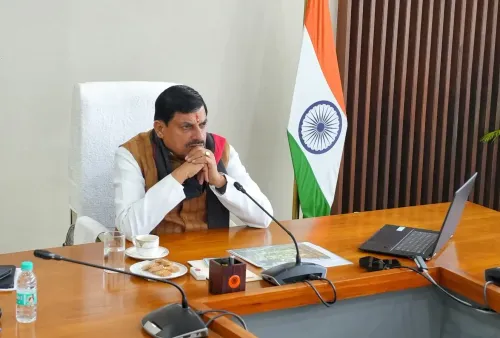
Bhopal, April 2 (NationPress) In a pivotal initiative to address the ongoing challenge of bonded labour, the government of Madhya Pradesh has established a specialized high-level Special Investigation Team (SIT). This team is tasked with exploring corrective actions and sustainable solutions for the issues surrounding bonded labourers across the Gwalior, Chambal, and Bhopal regions.
As per a directive from the General Administration Department, the Divisional Commissioner has been appointed as the Chairperson of this team.
Included in the team are the Inspector General (IG) of the respective zone, the Deputy Director of Social Justice and Empowerment for Persons with Disabilities, and the Joint Director of Women and Child Development (Bhopal). The Labour Commissioner of Madhya Pradesh has been designated as the Member Secretary.
District Collectors and members of the district-level committees have been instructed to provide complete support and collaboration to the Divisional SIT. Additionally, the Secretary of the Labour Department will offer essential technical and legal advice to the team.
The issue of bonded labour remains a critical problem in various regions of Madhya Pradesh, especially in areas with significant rural and tribal populations.
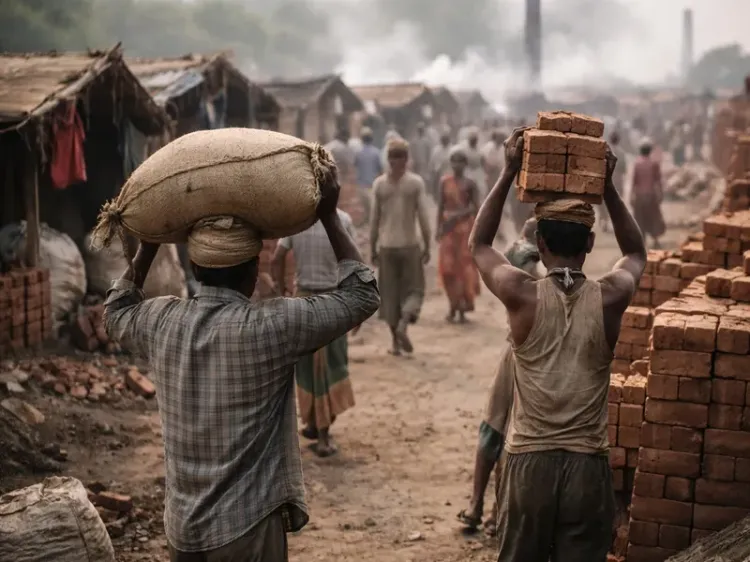
Recent events underline the seriousness of this issue. In February 2026, authorities rescued 74 individuals, including 21 families composed of women and children, from a brick kiln in Raisen district, where they faced coercion, wage denial, and debt bondage.
In May 2025, a significant operation in Guna district resulted in the liberation of 47 mentally challenged individuals, along with others, from entrenched bonded labour systems.
Madhya Pradesh has a historical context for severe cases of bonded labour, primarily associated with brick kilns, stone quarries, agriculture, and construction industries.
The “Harwai” system in certain areas of the state compels landless labourers into a lifetime of agricultural work to repay informal loans.
Moreover, numerous cases also involve inter-state trafficking, with workers from Madhya Pradesh rescued from bonded conditions in Tamil Nadu and other states in recent months.
This development emerges at a time when national statistics indicate a slow pace in the fight against bonded labour. While approximately 2.97 lakh bonded labourers have been officially rescued and rehabilitated in India since 1978, critics contend that the real figures are likely much higher due to underreporting and inadequate enforcement.
The establishment of this SIT signifies the state government's renewed commitment to effectively identify, rescue, rehabilitate, and prevent bonded labour.
The team is anticipated to evaluate existing frameworks, address implementation gaps under the Bonded Labour System (Abolition) Act, 1976, and propose stronger enforcement strategies.
Frequently Asked Questions
What is the purpose of the SIT formed by Madhya Pradesh?
The SIT aims to investigate and propose solutions to combat bonded labour issues in Gwalior, Chambal, and Bhopal.
Who leads the Special Investigation Team?
The Divisional Commissioner has been appointed as the Chairperson of the SIT.
What historical issues are related to bonded labour in Madhya Pradesh?
Bonded labour in Madhya Pradesh is often linked to industries such as brick kilns, stone quarries, and agriculture.
How many bonded labourers have been rescued in India since 1978?
Approximately 2.97 lakh bonded labourers have been officially rescued and rehabilitated across India since 1978.
What is the 'Harwai' system?
The 'Harwai' system compels landless labourers into lifelong agricultural work to repay informal loans.