Mukundra Tunnel opens for Mumbai-Delhi traffic on Delhi-Mumbai Expressway
Synopsis
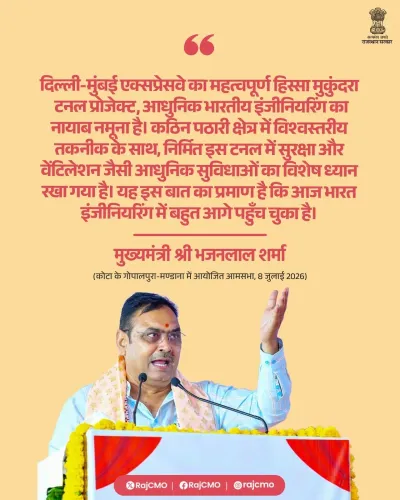
Rajasthan's widest road tunnel — the Mukundra Tunnel in Kota — opened for Mumbai-to-Delhi traffic on 27 July, punching through the chronically congested Dara Valley on the Delhi-Mumbai Expressway. With the second tube nearing completion, the twin-tube, eight-lane structure is set to transform freight logistics for the Hadoti region and cut long-distance travel times across one of India's busiest highway corridors.
Key Takeaways
The Mukundra Tunnel in Kota district, Rajasthan opened for Mumbai-to-Delhi traffic on 27 July .
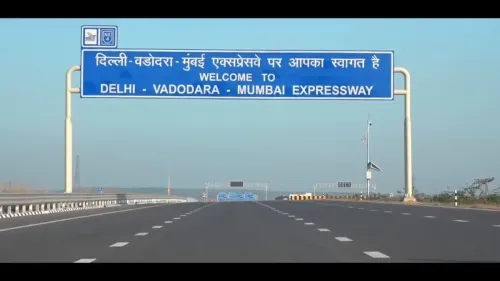
It is the widest road tunnel in Rajasthan and part of the Delhi-Mumbai Expressway .
The tunnel is a twin-tube, eight-lane structure; the second tube is under construction and expected to open soon.
Vehicles carrying diesel, petrol, LPG, CNG , or hazardous chemicals are banned from entering the tunnel.
The opening is expected to benefit the Kota Stone industry and Ramganjmandi's coriander market through improved logistics.
NHAI Project Director Sandeep Agarwal confirmed the opening and said the second tube will follow once remaining work is complete.
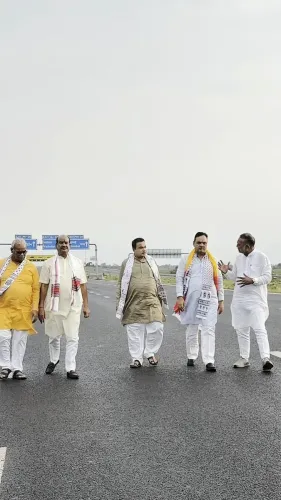
The Mukundra Tunnel in Kota district, Rajasthan — the widest road tunnel in the state — was opened to traffic moving from Mumbai towards Delhi on Monday, 27 July, marking a significant milestone on the Delhi-Mumbai Expressway, one of India's most ambitious highway infrastructure projects. The opening is expected to provide long-awaited relief to motorists who have endured chronic congestion in the Dara Valley stretch.
About the Mukundra Tunnel
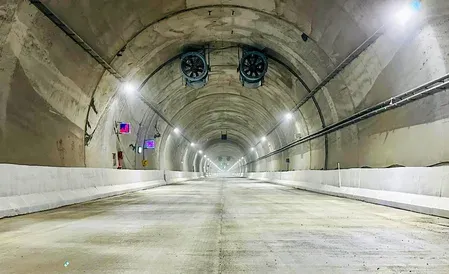
Located near Chechat in Kota district, the Mukundra Tunnel is a twin-tube, eight-lane structure and is described as one of Rajasthan's longest and widest road tunnels. Developed by the National Highways Authority of India (NHAI), the first tube is now operational for Mumbai-bound traffic heading towards Delhi. The second tube is in its final stages of construction and is expected to open to the public shortly, at which point the full twin-tube configuration will be in service.
Relief for Dara Valley Congestion
The Dara Valley has been a persistent bottleneck, with ongoing expressway construction and traffic diversions compounding delays for both local commuters and long-haul freight operators. With the tunnel now open, heavy vehicles can bypass the most congested sections of the existing road network, easing pressure on surface roads and improving overall traffic flow. The tunnel also provides uninterrupted access towards Madhya Pradesh via the Delhi-Mumbai Expressway, most of which is already operational — with only a few sections near Vadodara still under construction.
Economic Impact on Hadoti Region
The tunnel is expected to give a significant boost to the Hadoti region's logistics ecosystem. Ramganjmandi's globally recognised coriander market stands to benefit from faster connectivity to major consumption centres. Businesses in the Kota Stone industry and allied stone product sectors will now be able to move goods more efficiently to Delhi, Mumbai, Gujarat, and other key markets, potentially lowering transportation costs and improving margins. NHAI has said the project is designed to accelerate the movement of both agricultural and industrial goods across the region.
Safety Restrictions Inside the Tunnel
Strict safety protocols are in place for tunnel operations. Vehicles carrying diesel, petrol, LPG, CNG, or other flammable gases and hazardous chemicals will not be permitted to enter the tunnel. Such vehicles will be directed through designated alternative routes to minimise the risk of fire, explosions, or other emergencies inside the enclosed structure.
What NHAI Said
Sandeep Agarwal, Project Director, NHAI, confirmed that the tunnel for traffic moving from Mumbai towards Delhi opened on Monday. 'Construction of the second tube is progressing rapidly, and it will be opened to public traffic as soon as the remaining work is completed,' Agarwal said. Once the second tube is operational, motorists travelling from Kota will have a continuous expressway journey through Madhya Pradesh and onwards to Gujarat, significantly cutting travel time on one of India's busiest freight and passenger corridors.
Point of View
But the real story is how long India's most-watched expressway project has taken to stitch together. The Delhi-Mumbai Expressway has been operational in patches for years, and each section opening as a standalone headline masks the cumulative delay cost borne by freight operators and commuters. For the Hadoti region, faster coriander and Kota Stone exports are a genuine economic dividend — but the second tube's timeline remains unspecified, leaving the tunnel's full capacity unrealised. NHAI's ban on hazardous cargo is prudent, yet the absence of a publicly detailed diversion infrastructure plan for those vehicles warrants scrutiny before traffic volumes scale up.
NationPress
25 Oct 2026
Frequently Asked Questions
What is the Mukundra Tunnel and where is it located?
The Mukundra Tunnel is a twin-tube, eight-lane road tunnel located near Chechat in Kota district, Rajasthan. It is the widest road tunnel in Rajasthan and forms part of the Delhi-Mumbai Expressway.
When did the Mukundra Tunnel open for traffic?
The first tube of the Mukundra Tunnel opened for traffic moving from Mumbai towards Delhi on Monday, 27 July. The second tube is in its final stages of construction and will open once remaining work is completed.
Which vehicles are not allowed inside the Mukundra Tunnel?
Vehicles carrying diesel, petrol, LPG, CNG, or other flammable gases and hazardous chemicals are not permitted inside the tunnel. They will be redirected through designated alternative routes to prevent fire or explosion risks.
How will the Mukundra Tunnel benefit the Hadoti region?
The tunnel is expected to improve logistics for the Hadoti region by enabling faster transportation of agricultural and industrial products. Ramganjmandi's coriander market and the Kota Stone industry are among the key beneficiaries, with quicker access to markets in Delhi, Mumbai, and Gujarat.
What is the current status of the Delhi-Mumbai Expressway?
Most of the Delhi-Mumbai Expressway route through Madhya Pradesh is already operational. A few sections near Vadodara remain under construction. The Mukundra Tunnel's opening adds another completed section to the corridor.