Tushar Gandhi detained 8 hours in Mumbai ahead of CEC protest at August Kranti Maidan
Synopsis
Mumbai saw its sharpest political flashpoint in months as police detained Mahatma Gandhi's great-grandson Tushar Gandhi for eight hours before a protest demanding Chief Election Commissioner Gyanesh Kumar's resignation — a move the opposition called an 'undeclared emergency.' With allied parties now pledging to mobilise at every detention and CPI(M) widening the campaign to Solapur and Delhi, Saturday's crackdown may have handed the opposition exactly the rallying symbol it was looking for.
Key Takeaways
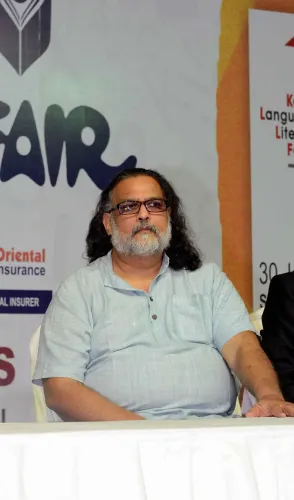
Tushar Gandhi , activist and great-grandson of Mahatma Gandhi, was detained by Mumbai Police for eight hours on 10 October 2026 .
The detention preceded a planned protest at August Kranti Maidan demanding the resignation of Chief Election Commissioner Gyanesh Kumar .
Shiv Sena (UBT) leaders Aaditya Thackeray , Sanjay Raut , and Anil Parab confronted police at D N Nagar Police Station after Gandhi was shifted without notice to Borivali Police Station .
Aaditya Thackeray announced that allied parties will mobilise wherever detentions occur, vowing not to back down.
CPI(M) held a torch rally in Solapur demanding Kumar's resignation; similar protests were reported at Jantar Mantar , New Delhi.
Police presence remained heavy across Mumbai through the day as the situation continued to unfold.
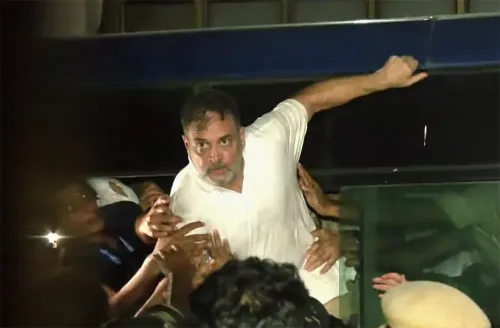
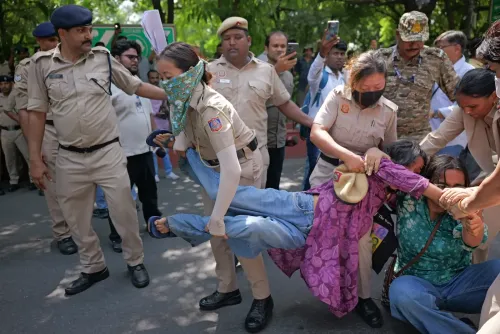
Prominent activist and Mahatma Gandhi's great-grandson Tushar Gandhi was detained by Mumbai Police for approximately eight hours on Saturday, 10 October, ahead of a planned demonstration at the historic August Kranti Maidan demanding the resignation of Chief Election Commissioner Gyanesh Kumar. The pre-emptive detentions triggered fierce opposition backlash and drew crowds outside police stations across the city.
How the Detentions Unfolded
Mumbai Police deployed heavily across key transit points from the early morning, detaining several youth leaders and protesters — including individuals identified as Abhijit and Saurabh — as part of a pre-emptive crackdown on the planned rally. Tushar Gandhi was picked up from the Bandra area between 9:30 am and 10:00 am and initially brought to D N Nagar Police Station.
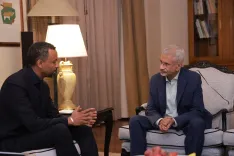
Confusion escalated when Shiv Sena (UBT) leaders arrived at D N Nagar to secure Gandhi's release, only to be informed he was no longer at that facility. Police subsequently clarified he had been shifted to Borivali Police Station. To defuse the mounting tension, officials reportedly arranged a phone call between Aaditya Thackeray and Gandhi. Borivali Police eventually dropped Tushar Gandhi home after his release.
Opposition Leaders Confront Police
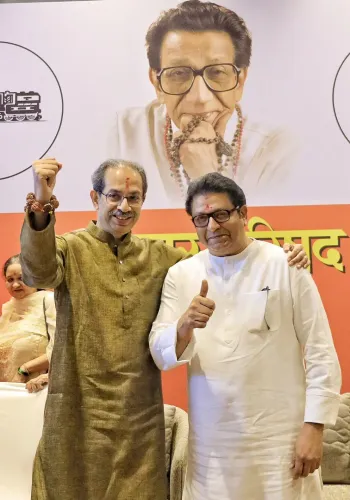
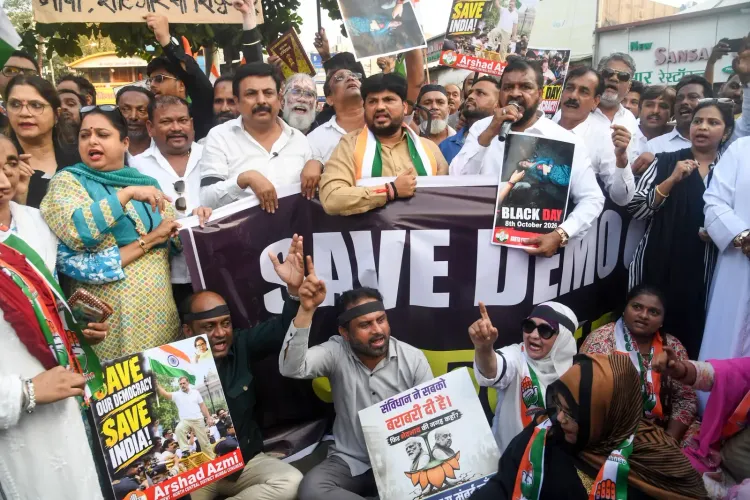
Shiv Sena (Uddhav Balasaheb Thackeray) leaders — including MLA Aaditya Thackeray, MP Sanjay Raut, and MLC Anil Parab — rushed to D N Nagar Police Station as protesters gathered in large numbers outside, raising slogans including 'Vote Chor, Gaddi Chhod' ('Vote thief, leave the throne'). The scene turned volatile before police provided clarity on Gandhi's whereabouts.
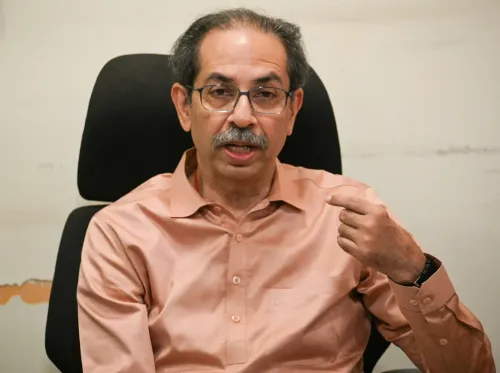
Addressing party workers and the media, Aaditya Thackeray launched a sharp attack on the ruling dispensation. 'An emergency has been unofficially imposed. Why are they so afraid of the youth generation?' he asked. 'Tushar Gandhi was planning a peaceful protest, but he was picked up beforehand. Patriotic citizens are being arrested. But change is inevitable.' Thackeray framed the confrontation as a battle between 'BJP versus India,' and announced that allied parties would mobilise wherever detentions occur going forward.
Protests Echo Beyond Mumbai
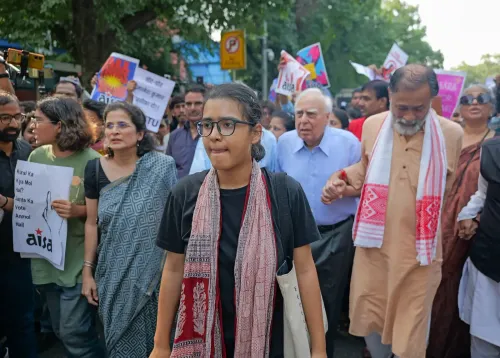
The opposition's push to oust Chief Election Commissioner Gyanesh Kumar was not confined to Mumbai. In Solapur, the Communist Party of India (Marxist) organised a torch rally marching from the Dr Babasaheb Ambedkar statue to the Zilla Parishad, with protesters raising slogans demanding Kumar's resignation. Similar echoes were reported at the Jantar Mantar demonstration in New Delhi, with ripple protests across several Maharashtra districts.
CPI(M) leaders issued pointed warnings at the Solapur rally. CPI(M) leader M A Shaikh stated: 'If Gyanesh Kumar is so dear to them, we will not rest without extracting the resignation of Modi and Shah as well.' The party also alleged a 'lathi charge' on Left party workers and claimed that leadership was 'being arrested from an airplane,' describing the situation as 'an undeclared emergency.'
What the Detentions Signal
This is not the first time August Kranti Maidan — a site historically associated with the Quit India Movement — has become a flashpoint for opposition-led protests. The choice of venue carries deliberate symbolic weight, and the pre-emptive police action has intensified charges that authorities are suppressing legitimate dissent. Notably, the demand for the CEC's resignation reflects a broader opposition offensive against election institutions that has been building since earlier this year.
Police presence remained heavy across Mumbai through the day. The coming days will test whether the multi-party opposition alliance can translate Saturday's street energy into sustained pressure on the government.
Point of View
And the need to broker a phone call to calm opposition leaders, suggests operational overreach rather than a coordinated strategy. More consequentially, the CEC resignation campaign has now acquired a martyr narrative it did not have on Friday. The opposition's pledge to mobilise at every future detention creates a scalable protest template that authorities will find difficult to contain without escalating further.
NationPress
11 Oct 2026
Frequently Asked Questions
Why was Tushar Gandhi detained in Mumbai on 10 October?
Tushar Gandhi was detained by Mumbai Police as a pre-emptive measure ahead of a planned protest at August Kranti Maidan demanding the resignation of Chief Election Commissioner Gyanesh Kumar. He was picked up from the Bandra area between 9:30 am and 10:00 am and held for approximately eight hours before being released and dropped home by Borivali Police.
Who is Tushar Gandhi?
Tushar Gandhi is a prominent social activist and the great-grandson of Mahatma Gandhi. He has been publicly vocal on issues of democracy and civil liberties, and was a key organiser of the planned August Kranti Maidan demonstration against the Chief Election Commissioner.
What is the opposition demanding regarding the Chief Election Commissioner?
Opposition parties, including Shiv Sena (UBT) and CPI(M), are demanding the resignation of Chief Election Commissioner Gyanesh Kumar, alleging that his continuation undermines electoral integrity. The protests on 10 October were part of a broader multi-party campaign that also saw demonstrations at Jantar Mantar in New Delhi and a torch rally in Solapur.
What did Aaditya Thackeray say about the detentions?
Shiv Sena (UBT) MLA Aaditya Thackeray called the detentions evidence of an 'unofficially imposed emergency' and accused the ruling dispensation of suppressing peaceful dissent. He announced that allied parties would henceforth mobilise wherever detentions occur, vowing not to back down until workers are released.
What happened at the protests outside Mumbai?
The Communist Party of India (Marxist) organised a torch rally in Solapur, Maharashtra, marching from the Dr Babasaheb Ambedkar statue to the Zilla Parishad, with protesters demanding CEC Gyanesh Kumar's resignation. Parallel protests were also reported at Jantar Mantar in New Delhi, signalling the campaign's national spread.