Delhi Police arrest murder convict Rakesh Patel after 24 years on the run in UP
Synopsis
A convicted murderer who jumped parole in 2002 and vanished for nearly 24 years was finally caught living under a false name in Prayagraj, running an auto spare parts shop. The Delhi Police Crime Branch's operation — spanning technical surveillance and repeated raids across two states — is a rare success story in India's long-running struggle to track absconding life convicts.
Key Takeaways
Rakesh Patel alias Pappi , convicted of murder in 1995 , was arrested by the Delhi Police Crime Branch after 24 years as a fugitive.
He had jumped parole granted by the Delhi High Court in 2002 following the birth of his second child.
Patel had assumed the identity of Nandlal Verma and was running an auto spare parts business in Prayagraj, Uttar Pradesh .
He was originally convicted under Sections 302 and 120-B IPC for the murder of a neighbour in the Jahangir Puri area of Delhi — FIR No.
After initially denying his identity, Patel confessed during interrogation and has been handed back to jail authorities .
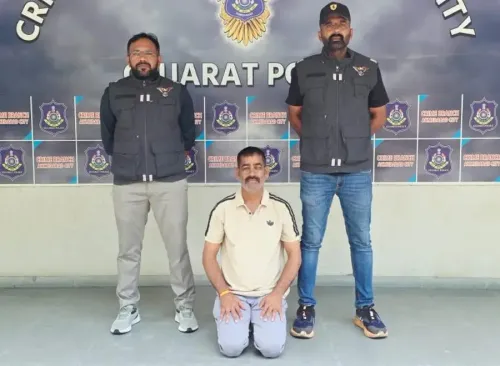
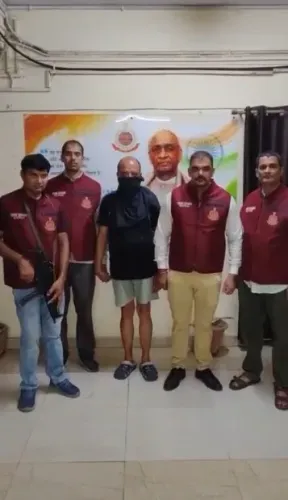
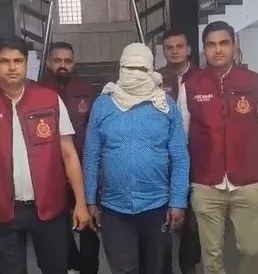
The Crime Branch of Delhi Police has arrested a life convict in a murder case who had been absconding for nearly 24 years after jumping parole granted by the Delhi High Court in 2002. The accused, Rakesh Patel alias Pappi, had allegedly assumed a false identity and was living quietly in Prayagraj, Uttar Pradesh, under the name Nandlal Verma to evade law enforcement.
Background of the Murder Case
Rakesh Patel was convicted in 1995 in connection with a sensational murder case registered at Jahangir Puri Police Station in Delhi — FIR No. 387/1990 — under Sections 302 and 120-B of the Indian Penal Code. According to police, Patel and two co-accused had 'brutally stabbed to death his neighbour over a trivial issue.' He was sentenced to life imprisonment.
How He Evaded Arrest for 24 Years
According to investigators, Patel was first granted parole in 1999 for his marriage and had surrendered on that occasion. However, after being granted parole again in 2002 following the birth of his second child, he never returned to jail authorities. He subsequently kept shifting locations before eventually settling in Prayagraj, where he built a new life — operating an auto spare parts business under his assumed identity of Nandlal Verma.
The Operation That Cracked the Case
The Crime Branch stated that a sustained drive was underway to trace parole jumpers released from Delhi jails who had failed to surrender after availing parole or furlough. During scrutiny of such cases, Patel was identified for focused action. A special team was constituted under the supervision of senior officers and deployed a combination of technical surveillance, manual tracking, and repeated raids across Delhi and Uttar Pradesh.
A breakthrough came when the team was dispatched to Allahabad, where 'reliable secret information' led investigators to Prayagraj. The accused was subsequently apprehended from his residence.
Confession and Custody
During interrogation, Rakesh Patel initially denied his real identity, insisting he was Nandlal Verma. However, after sustained questioning and confrontation with details of the original murder case, he 'finally broke down and confessed' to his involvement, according to the Crime Branch's press release. He has since been handed over to jail authorities to serve out his sentence.
Significance of the Arrest
The Crime Branch described the operation as reflecting Delhi Police's commitment to tracing absconding convicts and ensuring the execution of court-awarded punishments. Notably, this case highlights the persistent challenge of parole jumpers — convicts who exploit temporary release provisions to permanently disappear. The arrest comes after nearly a quarter-century, underscoring both the difficulty of such long-term fugitive tracing and the eventual reach of sustained investigative effort.
Point of View
But simply by changing his name and moving cities. The fact that it took a dedicated Crime Branch operation, technical surveillance, and repeated cross-state raids to locate someone living openly and running a business raises an uncomfortable question: how many other parole jumpers remain undetected because no special team was ever constituted? The case should prompt a broader audit of parole compliance tracking across Indian prisons, not just a round of congratulations.
NationPress
5 Oct 2026
Frequently Asked Questions
Who is Rakesh Patel and why was he arrested?
Rakesh Patel, also known as Pappi, is a life convict who was arrested for jumping parole nearly 24 years ago. He had been convicted in 1995 for the murder of a neighbour in Delhi's Jahangir Puri area and sentenced to life imprisonment, but failed to return to jail after being granted parole in 2002.
Where was Rakesh Patel hiding for 24 years?
Patel had been living in Prayagraj, Uttar Pradesh, under the assumed name Nandlal Verma. He was running an auto spare parts business there and had settled with his family, effectively building an entirely new identity to evade arrest.
How did Delhi Police track down the fugitive convict?
The Crime Branch constituted a special team that used technical surveillance, manual tracking, and repeated raids across Delhi and Uttar Pradesh. A breakthrough came after reliable intelligence placed Patel in Prayagraj, where he was subsequently apprehended.
What was Rakesh Patel convicted for originally?
He was convicted in 1995 under Sections 302 (murder) and 120-B (criminal conspiracy) of the IPC in connection with FIR No. 387/1990, registered at Jahangir Puri Police Station in Delhi. He and two co-accused were found guilty of stabbing a neighbour to death over a trivial dispute.
What happens to Rakesh Patel now?
Following his arrest and confession, Rakesh Patel has been handed over to jail authorities to serve out his original life sentence. The Crime Branch has framed the operation as part of a broader drive to trace all parole jumpers from Delhi jails.