President Murmu greets nation on Chhath Puja, urges river conservation
Synopsis
As millions of devotees gathered at riverbanks for Chhath Puja's Sandhya Arghya, President Droupadi Murmu used her greeting to do something rare — connect a major religious festival explicitly to environmental responsibility, calling on citizens to pledge the conservation of rivers and water bodies.
Key Takeaways
President Droupadi Murmu extended Chhath Puja greetings on 15 November 2026 , calling the festival an inspiration to protect nature and preserve the environment.
She urged Indians to pledge conservation of rivers and water bodies on the occasion.
Devotees observed a gruelling 36-hour Nirjala fast , abstaining from even water, as part of Chhath observance.
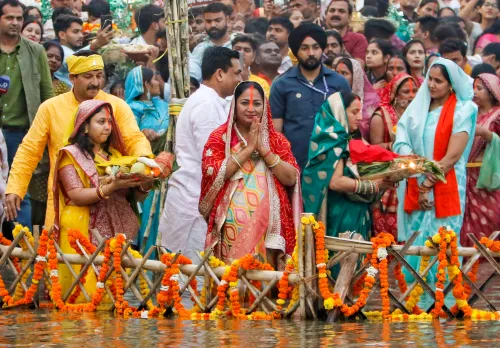
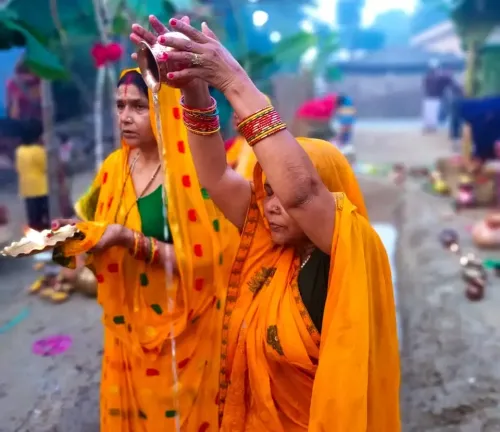
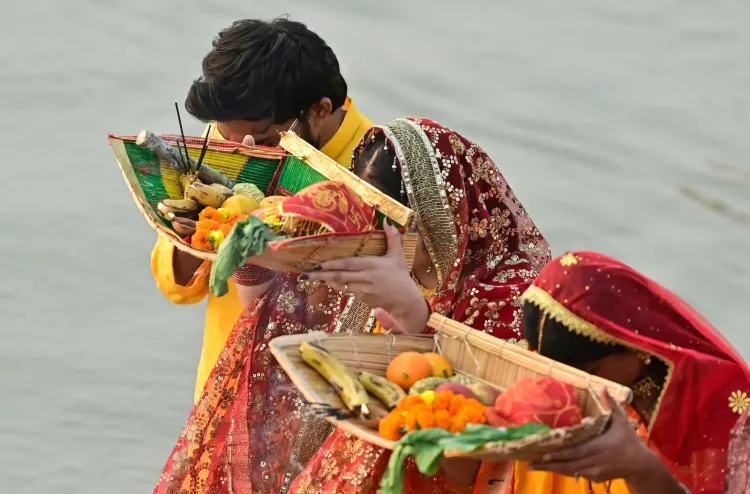
The Sandhya Arghya — first oblation to the setting Sun — was offered at 4:54 pm on Sunday at riverbanks and water bodies.
The festival concludes on Monday morning with the final arghya to the rising Sun, expected at 5:59 am .
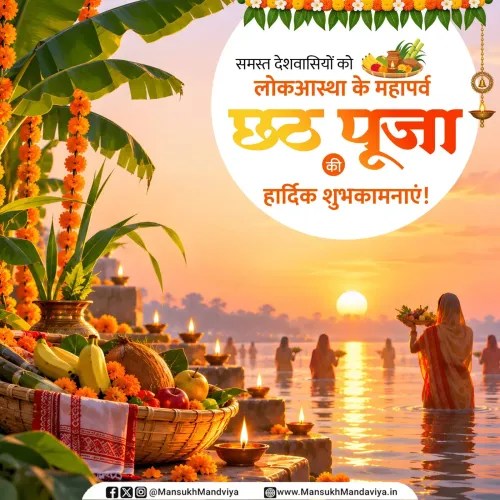
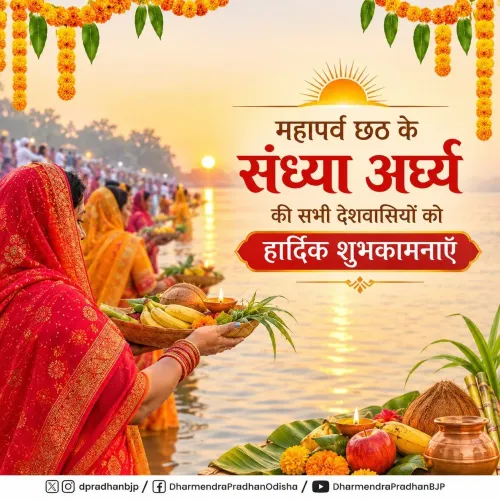
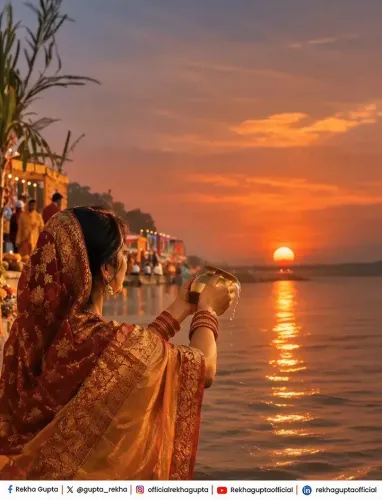
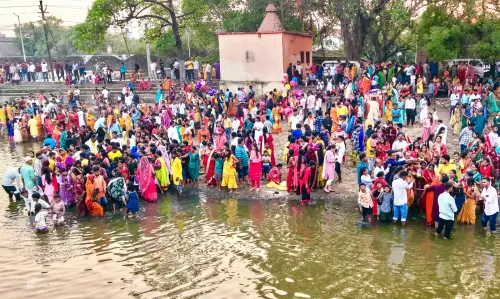
President Droupadi Murmu on Sunday, 15 November 2026, extended heartfelt greetings to Indians across the country and abroad on the occasion of Chhath Puja, saying the festival inspires reverence for nature and a commitment to environmental preservation. Her message coincided with the most significant day of the four-day celebration, as millions of devotees prepared to offer the Sandhya Arghya — the first oblation to the setting Sun — at riverbanks and water bodies across the country.
What President Murmu Said
'On the auspicious occasion of Chhath, the festival of faith and Sun worship, I extend my heartfelt greetings and best wishes to all Indians living in India and abroad,' the President said in her message. She described the festival as a symbol of 'deep reverence for Surya Dev and Chhathi Maiya' and said Chhath Puja, observed over four days, underscores the 'importance of our cultural traditions through devotion, discipline and dedication.'
President Murmu further emphasised the festival's ecological dimension: 'The festival inspires us to express gratitude to nature and to preserve the environment.' She called upon citizens to 'pledge to fulfil our responsibility to protect and conserve rivers and other water bodies.'
The Significance of Chhath Puja
Chhath Puja is one of India's most demanding religious observances. Devotees undertake a rigorous 36-hour Nirjala fast — abstaining from even water — in worship of Lord Surya. The festival carries particular weight as one of the few Vedic traditions where the Sun is worshipped both at sunset and sunrise, reflecting a cyclical reverence rarely paralleled in Indian folk tradition.
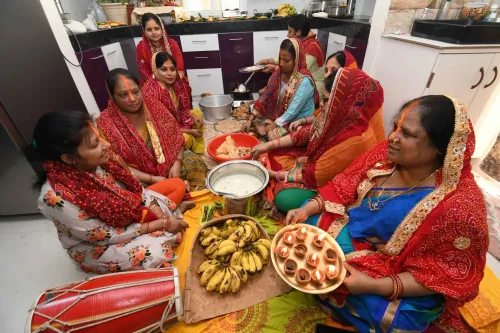
On Saturday, devotees performed the Kharna rituals, preparing traditional prasad — including rasiya, kheer, and puris — on clay stoves fuelled by mango wood, in keeping with age-old customs. After a day of strict purity and religious discipline, the fasting devotees consumed the Kharna prasad in the evening, marking the formal start of the 36-hour waterless fast.
Key Rituals on Sunday
According to scheduled timings, the Sun set at 4:54 pm on Sunday, when devotees gathered at riverbanks and designated water bodies to offer the first arghya. In several households, special prayers were held in separate and secluded rooms during the Kharna ritual, in line with prescribed religious customs. The atmosphere at ghats across north India and in Chhath-observing communities worldwide was described as one of deep religious fervour and devotion.
How the Festival Concludes
The four-day Chhath celebrations are set to conclude on Monday morning, when the sunrise is expected at 5:59 am. Devotees will offer the final arghya to the rising Sun, formally closing the festival. The transition from the evening arghya to the morning arghya — from the setting to the rising Sun — forms the spiritual centrepiece of Chhath, symbolising hope, renewal, and gratitude.
Point of View
River conservation. The timing is not incidental: India's sacred rivers, especially the Ganga and its tributaries central to Chhath rituals, face chronic pollution pressure, and official pledges at festival moments rarely translate into measurable policy outcomes. The message carries symbolic weight, but its impact depends on whether it is backed by enforcement on the ground at the very ghats where devotees gather. A presidential appeal is a nudge, not a framework.
NationPress
15 Nov 2026
Frequently Asked Questions
What did President Droupadi Murmu say on Chhath Puja 2026?
President Droupadi Murmu extended heartfelt Chhath Puja greetings to all Indians in India and abroad on 15 November 2026, saying the festival inspires gratitude towards nature and a commitment to environmental preservation. She also called on citizens to pledge the protection and conservation of rivers and other water bodies.
What is Chhath Puja and why is it significant?
Chhath Puja is a four-day Hindu festival dedicated to the worship of the Sun god, Lord Surya, and Chhathi Maiya. It is notable for its demanding 36-hour Nirjala fast and for being one of the few traditions where the Sun is venerated at both sunset and sunrise, reflecting themes of gratitude, discipline, and renewal.
What is the Sandhya Arghya in Chhath Puja?
Sandhya Arghya is the first major ritual offering of Chhath Puja, in which devotees offer oblations to the setting Sun at riverbanks or designated water bodies. In 2026, this ritual took place at 4:54 pm on Sunday, 15 November.
When does Chhath Puja 2026 end?
Chhath Puja 2026 concludes on Monday morning, 16 November, with the final arghya offered to the rising Sun at sunrise, expected at 5:59 am. This completes the four-day cycle of fasting, rituals, and worship.
What is the Kharna ritual in Chhath Puja?
Kharna is a Chhath Puja ritual performed on the third day of the festival, in which devotees prepare traditional prasad — including rasiya, kheer, and puris — on clay stoves fuelled by mango wood, maintaining age-old customs. After a day of strict purity and devotion, fasting devotees consume this prasad in the evening, marking the beginning of the 36-hour Nirjala fast.