President Murmu visits Ropuiliani museum, Mizo living village
Synopsis
President Murmu honoured Ropuiliani, the Mizo chieftainess who defied the British and died in captivity in 1895, at a new museum near Aizawl, then experienced India's only living museum of its kind at Falkawn. Next up: the Hornbill Festival opening in Nagaland on 1 December.
Key Takeaways
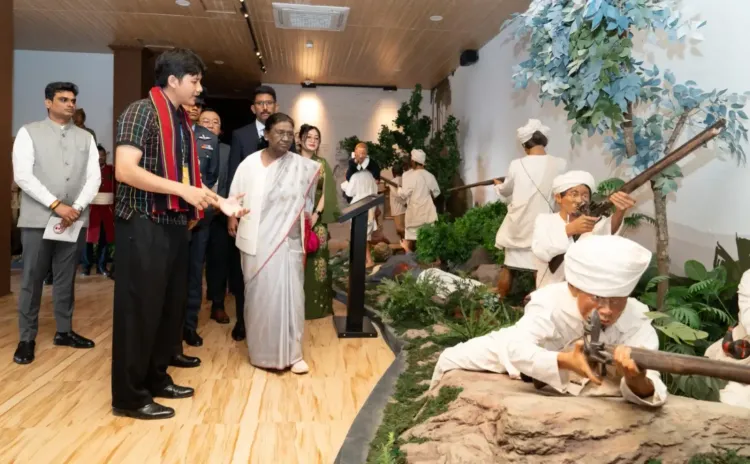
President Droupadi Murmu visited the Ropuiliani Tribal Freedom Fighters' Museum at Kelsih and the Typical Mizo Village at Falkawn on 29 November 2026 .
She is on a three-day Mizoram visit for Mizoram University's 21st Convocation and Silver Jubilee celebrations.
The museum, developed by the Union Ministry of Tribal Affairs , was virtually inaugurated by PM Narendra Modi on 15 November .
Ropuiliani , a Mizo chieftainess who resisted British rule, died in captivity at Rangamati in January 1895 .
Murmu will inaugurate the 27th Hornbill Festival at Kisama , Nagaland, on 1 December .
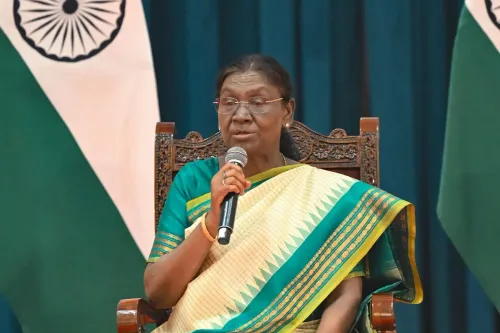
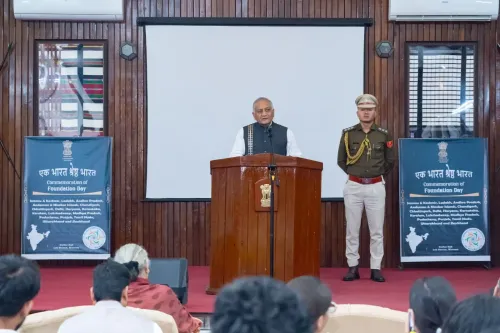
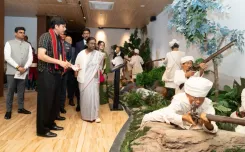
President Droupadi Murmu on Sunday, 29 November 2026, visited the Ropuiliani Tribal Freedom Fighters' Museum at Kelsih and the Typical Mizo Village (Living Museum) at Falkawn, south of Aizawl, during her three-day visit to Mizoram. The President is in the state to attend the 21st Convocation and Silver Jubilee celebrations of Mizoram University (MZU).
Key Developments at Kelsih
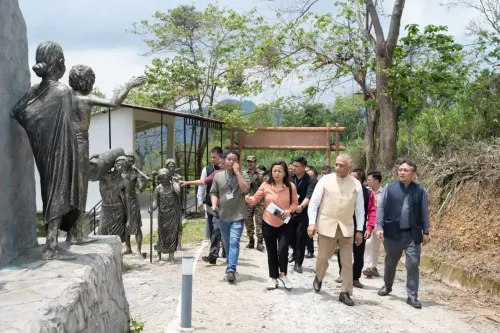
Officials said the President was briefed at the Ropuiliani museum on the history of Mizo tribal freedom fighters and on the Mizo people's resistance to British colonial rule. She also planted a sapling of the Mizoram State Tree, Herhse (Mesua ferrea), on the museum premises.
Governor General (Dr) V.K. Singh (Retd) joined her for the plantation. From Kelsih, the President moved on to the Typical Mizo Village at Falkawn, described by officials as the first and only Living Museum of its kind in India.
Traditional Welcome at Falkawn
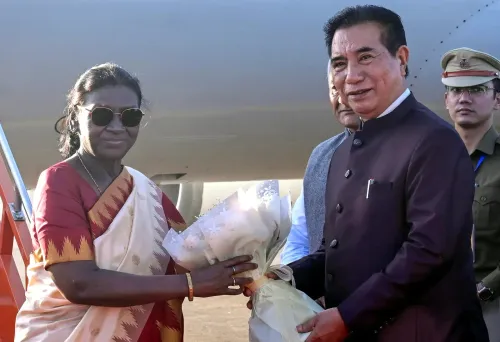
At Falkawn, President Murmu received a traditional Mizo welcome from the village Chief and his wife, a gesture reflecting customary Mizo lifestyle and practice. The living museum staged Mizo folk dances, folk music, traditional sports and instruments in her honour.
Handicrafts were on display, along with a live demonstration of the traditional handloom process. The President also planted a Mesua ferrea sapling at the village.
She was accompanied by the Governor, Art and Culture Minister C. Lalsawivunga, Aizawl South-III MLA Sushri Baryl Vanneihsangi, Chief Secretary Khilli Ram Meena, Director General of Police Sharad Agarwal and other senior officials.
Who Was Ropuiliani
According to officials, the newly established museum is named after Ropuiliani, a prominent Mizo chieftainess and an early tribal leader who resisted British colonial rule in the erstwhile Lushai Hills. She was arrested by the British and imprisoned for that resistance.
She was later taken to Rangamati in the Chittagong Hill Tracts, in present-day Bangladesh, where she died in captivity in January 1895. Notably, the President's visit comes just two weeks after Prime Minister Narendra Modi virtually inaugurated the museum on 15 November, observed as Janjatiya Gaurav Divas (Tribal Pride Day).
Inside the Museum Complex
The museum is located at the Tribal Research Institute in Kelsih, a rural village in the Aibawk block of Aizawl district that is also emerging as a recreational destination. According to an official statement from the Mizoram government, the complex includes a museum building, an open-air theatre, a traditional hut, a heritage walk, the Birsa Munda Tribal Pride Garden, a cafeteria and staff quarters, among other facilities.
The project has been developed by the Union Ministry of Tribal Affairs to commemorate the contributions and sacrifices of tribal freedom fighters in India's independence struggle. It forms part of a wider effort to bring tribal resistance movements, often underrepresented in mainstream freedom-movement narratives, into public memory.
Next Stop: Hornbill Festival in Nagaland
From Mizoram, President Murmu will travel to Nagaland to attend the inaugural ceremony of the 27th Hornbill Festival at the Naga Heritage Village in Kisama, around 12 km south of Kohima, on 1 December. The Nagaland government has already begun preparations for the event, which coincides with the state's 64th Statehood Day.
The 10-day festival will run from 1 to 10 December and is expected to draw participation from several countries, with one Northeastern state joining as Partner State this year. The Hornbill Festival is one of Nagaland's most prominent cultural events, showcasing tribal traditions, indigenous art, music, dance and cuisine.
With the Mizoram leg concluding and the Hornbill Festival ahead, the President's Northeast tour keeps the region's tribal heritage firmly in the national spotlight this week.
Point of View
A chieftainess who resisted the British and died far from home in captivity, has long been a footnote outside Mizoram, and a presidential visit gives it a national audience. The broader Janjatiya Gaurav push to memorialise tribal freedom fighters is overdue, but museums alone do not correct textbooks that still centre a narrow set of heroes. The real measure will be whether figures like Ropuiliani enter national curricula and public discourse, not just heritage walks near state capitals. Symbolism in the Northeast matters, but it must be matched by sustained attention between ceremonial visits.
NationPress
29 Nov 2026
Frequently Asked Questions
Why is President Murmu visiting Mizoram?
President Droupadi Murmu is on a three-day visit to Mizoram to attend the 21st Convocation and Silver Jubilee celebrations of Mizoram University. During the trip, she also visited the Ropuiliani Tribal Freedom Fighters' Museum and the Typical Mizo Village at Falkawn.
When was the Ropuiliani Tribal Freedom Fighters' Museum inaugurated?
Prime Minister Narendra Modi virtually inaugurated the museum on 15 November, marking Janjatiya Gaurav Divas. It is located at the Tribal Research Institute in Kelsih, Aizawl district, and was developed by the Union Ministry of Tribal Affairs.
What is the Typical Mizo Village at Falkawn?
It is a Living Museum south of Aizawl, described by officials as the first and only one of its kind in India. It showcases Mizo folk dances, music, traditional sports, instruments, handicrafts and handloom weaving.
When will President Murmu attend the Hornbill Festival?
President Murmu will attend the inaugural ceremony of the 27th Hornbill Festival at the Naga Heritage Village in Kisama, near Kohima, on 1 December. The 10-day festival runs until 10 December and coincides with Nagaland's 64th Statehood Day.