Mizoram Governor Singh inspects tribal culture projects in Aizawl
Synopsis
Mizoram Governor General Vijay Kumar Singh personally inspected the under-construction Tribal Research Institute and Ropuiliani Tribal Freedom Fighters Museum in Aizawl, directing officials to meet timelines and build world-class destinations for tourists, students, and researchers — a significant signal for a state where over 94% of residents are tribal.
Key Takeaways
Mizoram Governor General Vijay Kumar Singh inspected tribal cultural infrastructure projects in Aizawl district on 7 May 2025 .
Sites visited include the Tribal Research Institute and the Ropuiliani Tribal Freedom Fighters Museum at Kelsih , both funded by the Union Ministry of Tribal Affairs .
The Governor directed departments to prepare a comprehensive action plan and adhere strictly to pre-inauguration timelines.
More than 94.4% of Mizoram's 1.1 million population belongs to tribal communities, classified as Scheduled Tribes by the Government of India.
The Governor will revisit the sites in the near future to personally review construction progress.
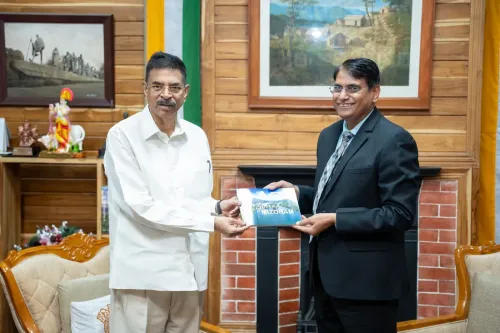
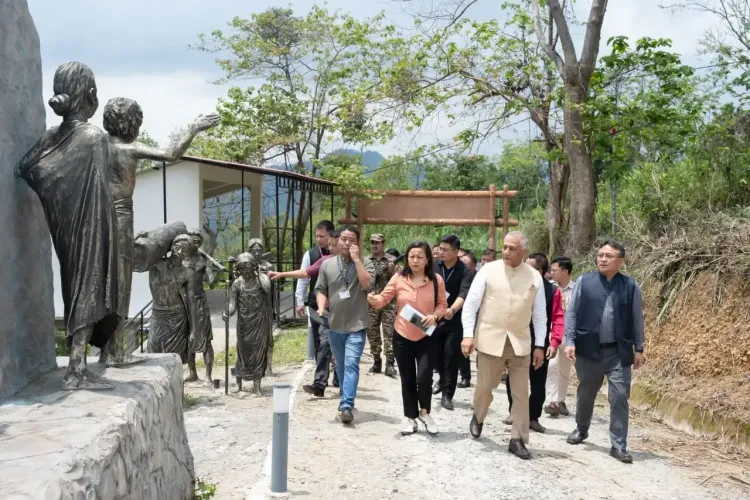
Mizoram Governor General Vijay Kumar Singh on Thursday, 7 May emphasised the critical importance of preserving tribal culture, heritage, and traditions during a personal inspection of key cultural infrastructure projects in Aizawl district. The Governor reviewed the ongoing development works at two major sites being built under the Union Ministry of Tribal Affairs.
Sites Inspected
General (Dr) Singh (Retd) visited the under-construction Tribal Research Institute and the Ropuiliani Tribal Freedom Fighters Museum at Kelsih in Aizawl district. Both projects are being implemented with central support and are expected to serve as landmark institutions for the preservation and promotion of Mizoram's rich tribal legacy.
What the Governor Directed
During the visit, the Governor urged officials to raise institutional standards and develop both sites into premier destinations for tourists, students, and researchers. He directed the concerned departments to prepare a comprehensive action plan and stressed strict adherence to timelines so that all preparations are completed before the formal inauguration. He also identified several areas requiring further attention and indicated that he would revisit the sites in the near future to review progress.
Senior Officials Present
A team of senior officials accompanied the Governor and briefed him on the status of the ongoing works. They included David Lalthantluanga, Secretary, Planning and Programme Implementation Department; Dr Lalrinchhana, Principal Adviser-cum-Additional Secretary, Planning and Programme Implementation Department; Robin Lalrinawma, Chief Engineer, Public Works Department; Lucy Zaithangpuii, Additional Director, Horticulture Department; and T.C. Lalkhuma, Joint Secretary, Art and Culture Department, among others.
Mizoram's Tribal Identity
The visit carries particular significance given Mizoram's demographic composition — more than 94.4% of the state's 1.1 million population belongs to tribal communities. The Mizos, who form the majority community, are classified as Scheduled Tribes by the Government of India and receive preferential provisions in education and employment to support their socio-economic advancement. The state is home to several tribal ethnic groups — including the Ralte, Pachuau, Chawngthu, Tlau, Mara, Lai, Paihte, Thadou, Hmar, Darlong, and Chakma communities — collectively referred to as Mizos owing to their close cultural and linguistic ties. The Mizo people are also spread across neighbouring Myanmar and Bangladesh, where they are known by different names depending on their region of residence.
Broader Context
This is not an isolated gesture. The development of the Tribal Research Institute and the Freedom Fighters Museum represents a broader push by the Centre to institutionalise tribal heritage documentation across Northeastern India. Mizo, English, and Hindi are the official languages of this mountainous Northeastern state. With the Governor personally monitoring progress and setting a pre-inauguration deadline, the pace of construction at both sites is expected to accelerate in the coming weeks.
Point of View
Not a soft commitment. With over 94% of Mizoram's population classified as Scheduled Tribes, the stakes for getting these institutions right are unusually high. The directive to build 'premier destinations' is ambitious, but the emphasis on timelines and a follow-up visit suggests accountability mechanisms are being put in place. Whether central funding and state execution can align on schedule will be the real test.
NationPress
25 Sept 2026
Frequently Asked Questions
Which projects did Mizoram Governor Vijay Kumar Singh inspect in Aizawl?
Governor General Vijay Kumar Singh inspected the ongoing construction of the Tribal Research Institute and the Ropuiliani Tribal Freedom Fighters Museum at Kelsih in Aizawl district on 7 May 2025. Both projects are funded by the Union Ministry of Tribal Affairs.
What did the Mizoram Governor direct officials during the inspection?
The Governor urged officials to raise institutional standards and develop both sites into premier destinations for tourists, students, and researchers. He directed departments to prepare a comprehensive action plan and stressed strict adherence to pre-inauguration timelines.
Why is tribal culture preservation important in Mizoram?
More than 94.4% of Mizoram's 1.1 million population belongs to tribal communities, making it one of the most tribally homogeneous states in India. The Mizos are classified as Scheduled Tribes by the Government of India and have a distinct cultural, linguistic, and historical identity.
Who are the major tribal groups in Mizoram?
The major tribes in Mizoram include the Ralte, Pachuau, Chawngthu, Tlau, Mara, Lai, Paihte, Thadou, Hmar, Darlong, and Chakma communities. They are collectively referred to as Mizos due to their close cultural and linguistic ties.
Will the Governor follow up on the construction progress?
Yes, Governor General Vijay Kumar Singh stated that he would revisit the sites in the near future to personally review progress, indicating ongoing gubernatorial oversight of the projects.