Mysuru court awards death penalty for rape, murder of 9-year-old during Dasara
Synopsis
A Mysuru Fast Track Court has sentenced Karthik to death for the rape and murder of a nine-year-old balloon-seller's daughter during Dasara 2024 — a case that gripped Karnataka after the child was found stabbed 19 times near the Mysuru Palace grounds. The accused, who had a prior arrest for attempted rape, was cracked by CCTV footage and now faces the gallows pending Karnataka High Court confirmation.
Key Takeaways
Mysuru Fast Track Court sentenced Karthik to death on 17 October for the rape and murder of a nine-year-old girl during Dasara 2024 .
Vaghade pronounced the sentence a day after the conviction order.
The child, from a family of migrant balloon sellers camped near the Mysuru Palace , was stabbed 19 times .
The breakthrough in the investigation came from a CCTV clip showing the accused near an autorickshaw stop.
Karthik had earlier spent two years in jail for a prior alleged attempt to rape a woman.
The death sentence requires mandatory confirmation by the Karnataka High Court before it can be executed.
The Mysuru Fast Track Court in Karnataka on Saturday, 17 October sentenced Karthik to death for the rape and murder of a nine-year-old girl who had travelled to Mysuru with her family to sell balloons during last year's Dasara celebrations. Judge Anil P. Vaghade pronounced the sentence a day after formally convicting the accused, in a case that had sent shockwaves across Karnataka and the country.
What Happened That Night
The victim's family had erected a temporary tent outside the Dasara Exhibition Ground, opposite the Mysuru Palace, and was staying there through the festival period. In the early hours of the morning of the incident, Karthik allegedly removed the sleeping child from beside her parents, sexually assaulted her, and killed her. According to investigators, the child had been stabbed 19 times.
How the Accused Was Tracked Down
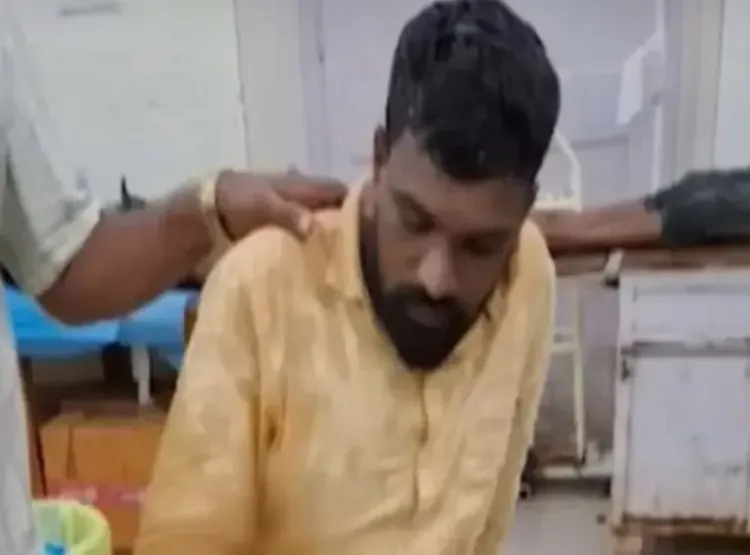
The Nazarabad police registered a case immediately but faced limited leads at first. Investigators began combing through CCTV footage from the surrounding area. A brief but critical clip showing a man stepping off an autorickshaw and moving in a suspicious manner provided the breakthrough the probe needed. Police subsequently identified and arrested Karthik, a native of Siddalingapura village in Srirangapatna taluk, Mandya district.
The Accused's Prior Criminal Record
Investigations revealed that Karthik had previously been arrested in connection with an alleged attempt to rape a woman and had served two years in jail. After securing bail, he reportedly severed ties with his family, became an alcoholic, and moved from place to place without a fixed address. While in custody for the present case, he allegedly attempted to attack police personnel and flee; the police opened fire, injuring him in the leg.
The Prosecution's Case and the Verdict
Public Prosecutor Jayanthi argued the case on behalf of the State and sought the maximum punishment, presenting the charge sheet that documented the evidence gathered during the investigation. The court's decision to impose the death penalty has been widely described as a significant and landmark judgment. The case had earlier prompted widespread public outrage over the brutal killing of a child from a migrant street-vending family.
Significance of the Judgment
Fast Track courts in India are specifically constituted to expedite trials in heinous crimes involving women and children. This conviction and sentence — delivered through the fast-track mechanism — underscores judicial intent to treat such crimes as falling in the 'rarest of rare' category. The verdict comes amid ongoing national debate on the pace and rigour of prosecutions in child sexual assault cases. The case now moves toward the mandatory confirmation hearing before the Karnataka High Court, as Indian law requires High Court confirmation before a death sentence can be carried out.
Point of View
Without adequate monitoring, placed a known offender back on the streets. The CCTV-led breakthrough was fortunate, not systemic. Karnataka and other states still lack a robust post-release surveillance framework for convicted or accused sexual offenders. The death sentence will command headlines, but the harder question — how a repeat offender reached a sleeping child in a festival crowd — deserves equal scrutiny from policymakers.
NationPress
17 Oct 2026
Frequently Asked Questions
What was the Mysuru Dasara child murder case?
During the 2024 Dasara festival in Mysuru, a nine-year-old girl from a family of migrant balloon sellers was allegedly abducted from beside her sleeping parents near the Dasara Exhibition Ground, sexually assaulted, and murdered. She was found to have been stabbed 19 times. The case triggered widespread outrage across Karnataka.
Who is the accused Karthik and how was he arrested?
Karthik is a native of Siddalingapura village in Srirangapatna taluk, Mandya district. He was identified through CCTV footage showing him alighting from an autorickshaw near the crime scene in a suspicious manner. He had a prior criminal record, having been arrested earlier for an alleged attempt to rape a woman, and had served two years in jail.
What sentence did the Mysuru Fast Track Court hand down?
Judge Anil P. Vaghade of the Mysuru Fast Track Court sentenced Karthik to death on 17 October, a day after convicting him. Public Prosecutor Jayanthi had sought the maximum punishment, arguing the facts of the case warranted it.
What happens next after the death sentence?
Under Indian law, a death sentence awarded by a sessions or fast-track court must be confirmed by the respective High Court before it can be carried out. The case will now go before the Karnataka High Court for mandatory confirmation proceedings.
Why is this verdict considered significant?
It is seen as a landmark judgment because it was delivered swiftly through the fast-track court mechanism in a case involving the brutal sexual assault and murder of a minor. The verdict reflects the judicial application of the 'rarest of rare' doctrine and is being cited as an example of the fast-track system functioning as intended in heinous child assault cases.