Nadda: 42 Crore Screened for NCDs at Ayushman Centres Since 2018
Synopsis
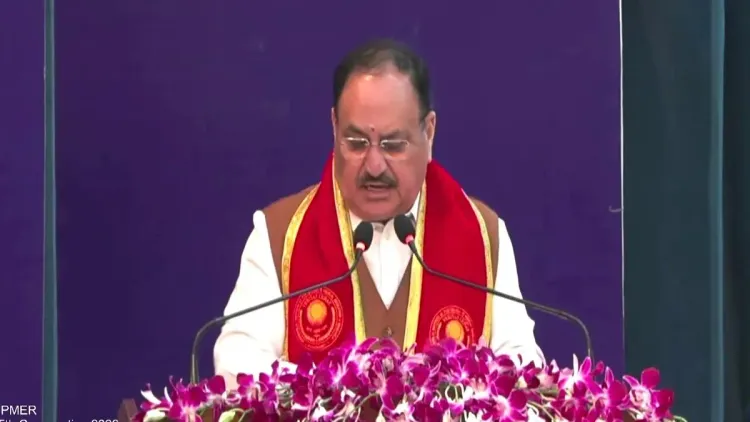
Union Health Minister J. P. Nadda announced that Ayushman Arogya Mandir Health and Wellness Centres have screened 42 crore Indians for hypertension, diabetes, oral cancer, breast cancer, and cervical cancer since 2018, with screening beginning at age 30.
Key Takeaways
42 crore people screened for non-communicable diseases at Ayushman Arogya Mandir Health and Wellness Centres since 2018 .
Screening covers five conditions: hypertension, diabetes, oral cancer, breast cancer, and cervical cancer , starting at age 30 .
The centres are part of the Ayushman Bharat programme , which targeted building 1.5 lakh Health and Wellness Centres across India.
The clinical framework is rooted in the NPCDCS scheme operational since 2010 , with guidelines updated in 2016-17 to include age-30 community screening.
Non-communicable diseases account for over 60 percent of deaths in India , making early-stage screening at primary care level a critical public health lever.
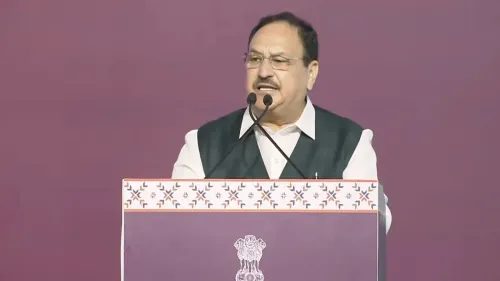
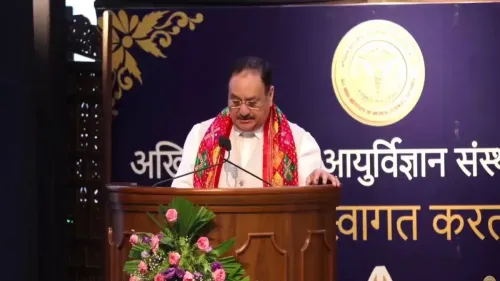
Screening 420 million people for life-threatening diseases — without a single hospital visit — is the quiet revolution happening inside India's primary healthcare network. Union Health Minister J. P. Nadda on Saturday, November 21, 2026, spotlighted a landmark milestone: since 2018, Ayushman Arogya Mandir Health and Wellness Centres have screened 42 crore Indians for hypertension, diabetes, oral cancer, breast cancer, and cervical cancer — all starting at the age of 30.
What Ayushman Arogya Mandirs Actually Do
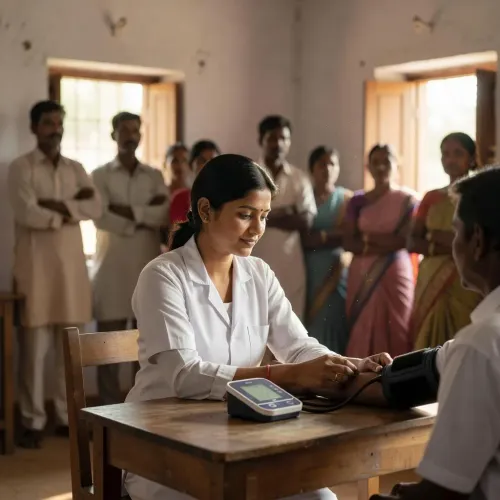
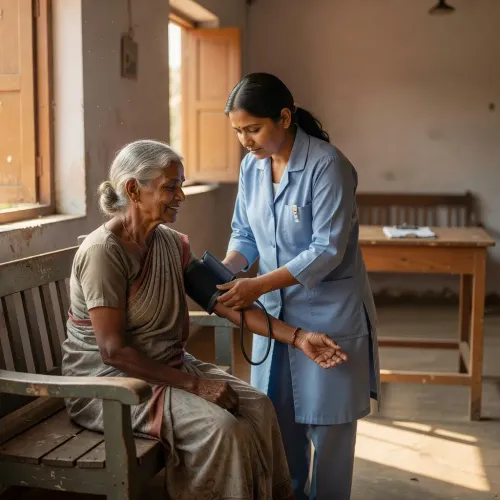
The Ayushman Arogya Mandir network — the rebranded identity of the Health and Wellness Centres rolled out under the Ayushman Bharat programme in 2018 — was designed to push comprehensive primary care deep into sub-centre and primary health centre level. The ambition was to build a target of 1.5 lakh such centres across India, converting them from basic dispensaries into active, preventive-care nodes. Screening adults from age 30 onward is their central mandate, catching conditions before they become crises.
The five conditions covered — hypertension, diabetes, oral cancer, breast cancer, and cervical cancer — are not random choices. Non-communicable diseases now account for over 60 percent of deaths in India, and all five are both highly prevalent and highly amenable to early-stage intervention. Catching them at a sub-centre, before a patient ever queues at a district hospital, is precisely the logic the National Health Policy 2017 encoded: shift the system from curative to preventive.
The Policy Spine Behind the Numbers
The screening framework itself predates the Ayushman branding. The National Programme for Prevention and Control of Cancer, Diabetes, Cardiovascular Diseases and Stroke (NPCDCS), operational since 2010, established the clinical protocols. Its guidelines were updated in 2016-17 to anchor community-based screening at the age-30 threshold, integrating it into the existing primary healthcare infrastructure rather than building a parallel, expensive vertical programme. Ayushman Bharat then gave it the network scale to actually reach hundreds of millions.
The 42 crore figure — if borne out in annual Health Ministry reporting and parliamentary disclosures — would represent one of the largest population-level NCD screening drives in the world, executed through grass-roots health infrastructure rather than mass camps or tertiary referrals.
Why Early Detection at 30 Changes the Math
The age-30 entry point is deliberate. Hypertension and Type-2 diabetes are increasingly striking Indians in their thirties and forties — younger than global averages, partly due to diet, sedentary lifestyles, and genetic predisposition. Cervical and oral cancers, meanwhile, are among the most preventable when caught in pre-cancerous stages. A screening delivered at a village-level wellness centre, free of cost, compresses the gap between silent disease and timely treatment — and keeps patients out of the catastrophic-expenditure spiral that hospitalisations trigger.
The next data point to watch: follow-up treatment rates. Screening at scale is only half the equation. Whether those flagged positive are successfully linked to care — through the broader Ayushman Bharat PM-JAY insurance framework or public facilities — will determine whether the 42 crore number translates into lives actually extended.
India has built the pipeline. The question now is how well it moves people through it.
Point of View
If validated through Health Ministry records, represents a tangible output of India's decade-long push to integrate NCD prevention into primary care — a strategic pivot that the National Health Policy 2017 signalled but that has been slow to show population-level numbers. Nadda's announcement fits a pattern of the Health Ministry using milestone data to build political and public confidence in the Ayushman Bharat architecture ahead of budget and policy cycles. The more critical policy question it raises is not how many people were screened, but what proportion received confirmed diagnoses and were successfully linked to treatment — a gap that has historically undermined the impact of large-scale screening drives in low-resource settings. If follow-up care data is disclosed alongside future screening figures, it would signal a maturing of the programme from quantity to outcomes.
NationPress
21 Nov 2026
Frequently Asked Questions
What is Ayushman Arogya Mandir?
Ayushman Arogya Mandir is the rebranded name for Health and Wellness Centres under the Ayushman Bharat programme, providing comprehensive primary care including free NCD screening at sub-centre and primary health centre level across India.
What diseases are screened at Ayushman Arogya Mandir centres?
The centres screen for hypertension, diabetes, oral cancer, breast cancer, and cervical cancer, with screening available for all adults from the age of 30.
How many people have been screened under Ayushman Bharat since 2018?
Union Health Minister J. P. Nadda stated that 42 crore (420 million) people have been screened for NCDs at Ayushman Arogya Mandir Health and Wellness Centres since 2018.
At what age does NCD screening begin in India's public health centres?
NCD screening at Ayushman Arogya Mandir Health and Wellness Centres begins at the age of 30, in line with NPCDCS guidelines updated in 2016-17.
What is NPCDCS and how does it relate to Ayushman Bharat?
The National Programme for Prevention and Control of Cancer, Diabetes, Cardiovascular Diseases and Stroke (NPCDCS), launched in 2010, provides the clinical and screening protocols that Ayushman Bharat's Health and Wellness Centres now implement at scale across India.