Nadda hails Bhagwat's address at RSS centenary close
Synopsis
Union Minister and BJP president J. P. Nadda praised RSS chief Dr. Mohan Bhagwat's Vijayadashami address in Nagpur, where the RSS marked the close of its centenary year with a call for national renewal through the 'Panch Parivartan' framework.
Key Takeaways
Nadda , Union Health Minister and BJP national president, publicly endorsed RSS Sarsanghchalak Dr.
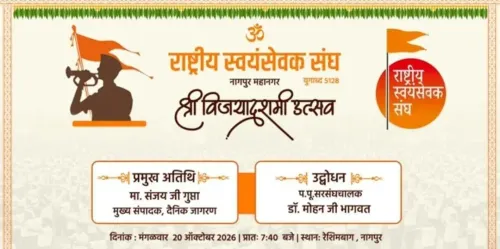
Mohan Bhagwat 's Vijayadashami address on 20 October 2026 .
The event in Nagpur marked the closing ceremony of the RSS centenary year — the organisation was founded on Vijayadashami 1925 .
Bhagwat's speech centred on Panch Parivartan — a five-point framework covering national progress, social unity, self-reliance, character building, and societal empowerment.
Nadda praised RSS swayamsevaks for 'selfless service, discipline and dedication' in nation-building.
Senior BJP leaders routinely attend and amplify RSS Vijayadashami events, reflecting the deep ideological links between the two organisations.
Analysts will watch whether Panch Parivartan themes are formally incorporated into central or state government programmes in the coming year.
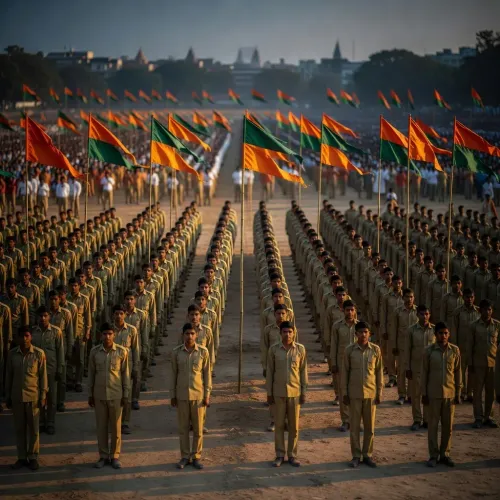
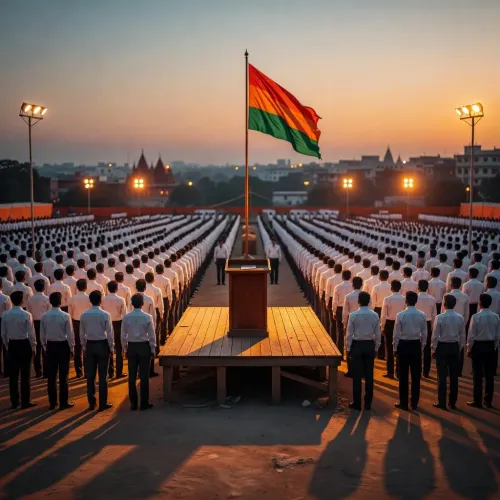
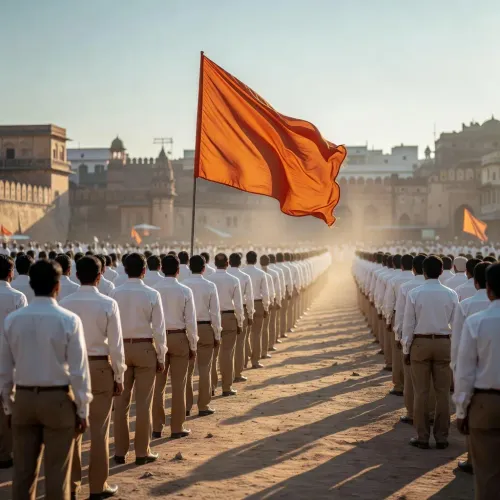
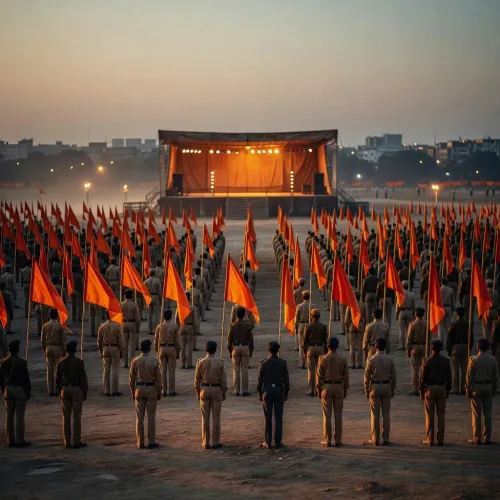
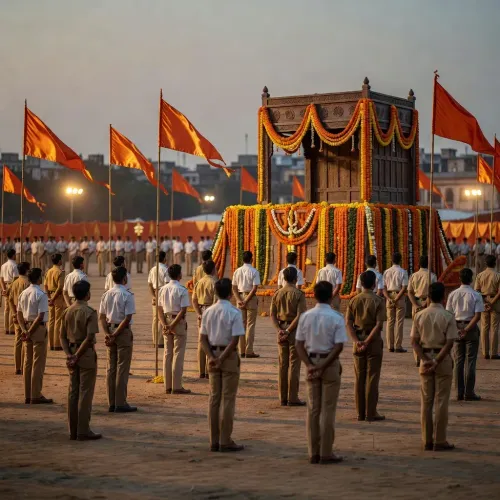
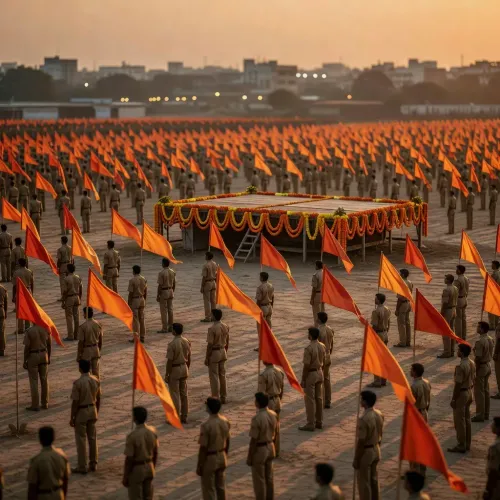
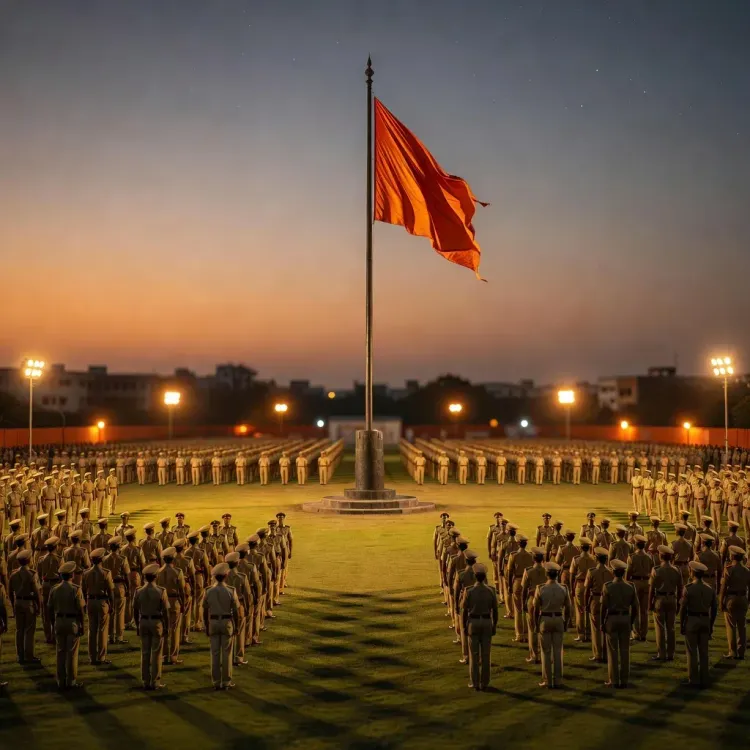
A hundred years after its founding on the very same occasion, the Rashtriya Swayamsevak Sangh brought down the curtain on its centenary year on Vijayadashami, Tuesday, 20 October 2026, at its headquarters in Nagpur — and Union Health Minister and BJP national president J. P. Nadda was among the first senior government figures to publicly amplify the moment.
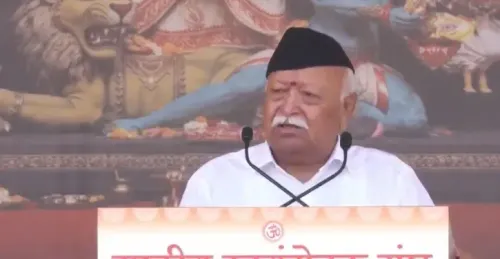
Nadda shared the livestream of RSS Sarsanghchalak Dr. Mohan Bhagwat's address, calling it 'preranadayi' — inspirational — for the direction of India's all-round development, social harmony, and the building of a strong nation. He urged followers to watch the speech, writing that Bhagwat's address had charted a path for national renewal through the framework of 'Panch Parivartan' (Five Transformations), covering national progress, social unity, self-reliance, character building, and societal empowerment.
A centenary a hundred years in the making
The Rashtriya Swayamsevak Sangh was founded on Vijayadashami in 1925 by Keshav Baliram Hedgewar in Nagpur, making the festival date its institutional birthday. The centenary closing ceremony at Nagpur closes out a year of commemorative events for an organisation that now claims one of the largest volunteer networks of any civil-society body in the world. Vijayadashami has served as the backdrop for the RSS chief's annual national address for nearly a century — a speech watched closely for signals on the organisation's social and civic priorities.
Dr. Mohan Bhagwat has led the RSS as Sarsanghchalak since 2009, making him one of the longest-serving chiefs in the organisation's modern era. His annual Vijayadashami addresses consistently attract national attention, as they often touch on themes — from social cohesion to economic self-reliance — that resonate with the ruling BJP's stated governance agenda.
Panch Parivartan: five levers for social change
At the centre of Tuesday's address was Panch Parivartan, the RSS's five-point framework for societal transformation. The five pillars — national progress, social unity, self-reliance (aatmanirbharta), character building (charitra nirman), and societal empowerment — echo themes that senior BJP leaders have woven into government programmes ranging from the Aatmanirbhar Bharat initiative to flagship social-sector schemes.
Nadda specifically praised RSS volunteers (swayamsevaks) for placing national interest above all else, noting their contributions through 'selfless service, discipline and dedication.' Senior BJP figures have routinely attended and endorsed RSS Vijayadashami events for decades — reflecting the deep organisational and ideological links between the party and the Sangh that date back to the BJP's own founding lineage.
Why the centenary moment carries extra weight
The conclusion of the RSS centenary year is not a routine anniversary. For an organisation that traces its identity to a single city, a single festival, and a single founding act a hundred years ago, the symbolism of closing the centenary in Nagpur on Vijayadashami is deliberate and total. The question political observers will now track is whether the Panch Parivartan framework moves from an ideological roadmap to formal adoption in central or state government programming in the year ahead.
When the Sarsanghchalak speaks on the occasion of the organisation's centenary, and a Union Minister amplifies every word, the message is unmistakable: the ideas on the stage in Nagpur today are meant to travel far beyond it.
Point of View
The distance between civil-society roadmap and government policy tends to shrink. The centenary adds symbolic heft that ordinary Vijayadashami addresses do not carry, raising the stakes for how — and how quickly — these themes might find their way into formal policy architecture.
NationPress
20 Oct 2026
Frequently Asked Questions
What is the RSS centenary year and why does it end on Vijayadashami 2026?
The Rashtriya Swayamsevak Sangh was founded on Vijayadashami in 1925 in Nagpur, making 2025 its centenary year. The closing ceremony of that centenary was held on Vijayadashami, 20 October 2026, at RSS headquarters in Nagpur, completing a full cycle of commemorative events.
What is Panch Parivartan in the context of the RSS?
Panch Parivartan, or 'Five Transformations,' is a framework outlined by RSS leadership for national and social change. It covers five pillars: national progress, social unity, self-reliance (aatmanirbharta), character building (charitra nirman), and societal empowerment.
Who is Dr. Mohan Bhagwat and what is his role in the RSS?
Dr. Mohan Bhagwat is the Sarsanghchalak, or supreme chief, of the Rashtriya Swayamsevak Sangh. He has held the position since 2009 and delivers the RSS's flagship national address every year on Vijayadashami.
Why did J. P. Nadda comment on an RSS event?
J. P. Nadda is both Union Health Minister and BJP national president. Senior BJP leaders have a long tradition of attending and publicly endorsing RSS Vijayadashami events, reflecting the organisational and ideological linkage between the BJP and the Sangh.
What is the significance of Nagpur in RSS history?
Nagpur is the city where the RSS was founded in 1925 and continues to serve as its national headquarters. All major RSS events, including its annual Vijayadashami gathering and the centenary closing ceremony, are held there.