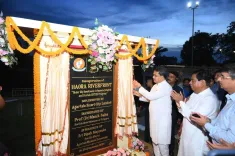
JP Nadda launches integrated training for primary healthcare teams
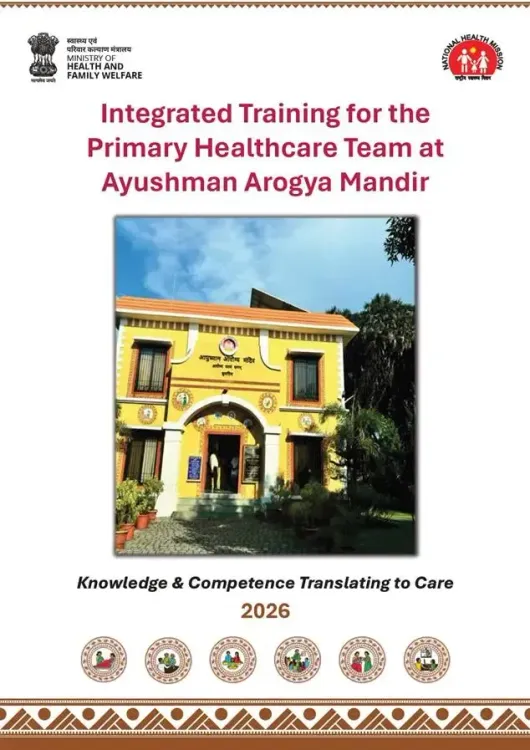
Synopsis
India's Health Ministry has scrapped fragmented, programme-by-programme training in favour of a single competency-driven framework for frontline workers — a structural overhaul that directly affects ASHAs, ANMs, and CHOs, who make up over 70% of the primary healthcare workforce. The real test will be whether digital delivery via iGOT Karmayogi translates into measurable care quality at the last mile.
Key Takeaways
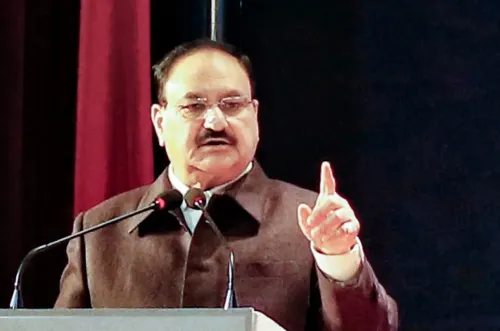
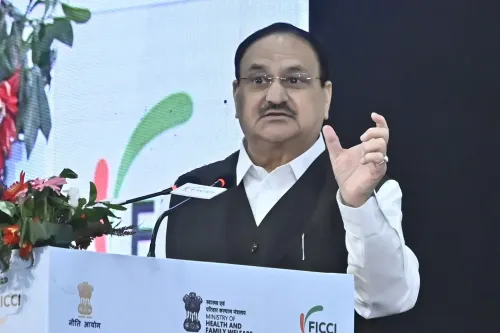
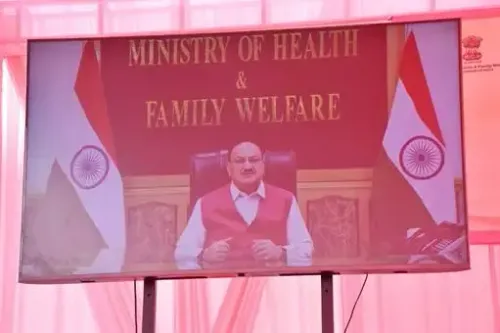
Union Health Minister JP Nadda launched the Integrated Training for Primary Healthcare Teams on 8 May 2025 in New Delhi.
The framework consolidates multiple programme-based trainings into a single competency-driven curriculum covering prevention, detection, treatment, and follow-up.
Women account for over 70% of the primary healthcare workforce; the programme specifically targets ASHAs, ANMs, and CHOs .
Digital platform iGOT Karmayogi will power continuous learning for frontline health workers.
The initiative is linked to the Ayushman Bharat programme and the network of Ayushman Arogya Mandirs across India.
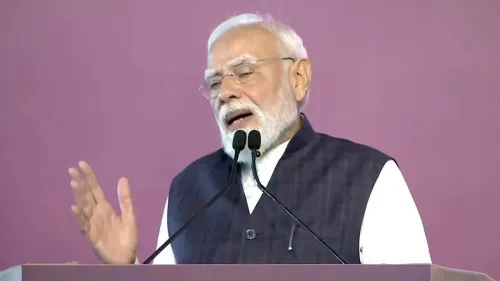
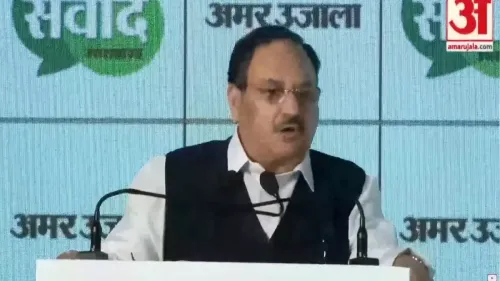
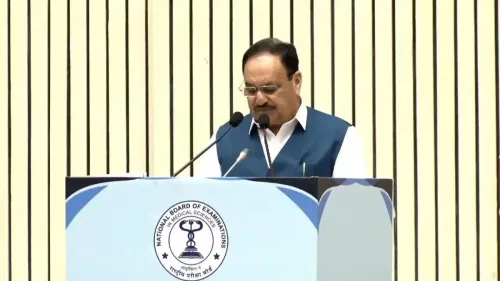
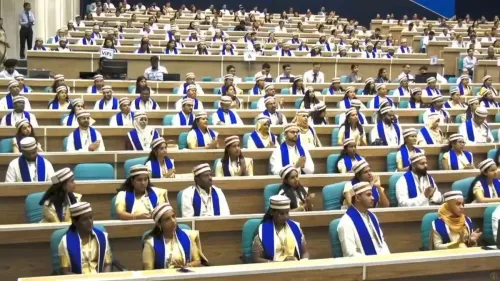
Union Health Minister JP Nadda on 8 May 2025 launched an Integrated Training for Primary Healthcare Teams in New Delhi, consolidating multiple programme-based training modules into a single, competency-driven framework aimed at strengthening frontline health delivery across India. The Ministry of Health and Family Welfare announced the initiative through an official statement, describing it as a decisive shift in how the country builds capacity at the last mile.
What the Programme Covers
The integrated framework replaces fragmented, programme-specific training with a unified curriculum that spans prevention, early detection, treatment, and follow-up care. According to the ministry statement, the goal is to ensure that people receive "the right care, at the right time, closer to their homes."
Digital platforms, including iGOT Karmayogi, will be used to enable continuous learning and make the frontline workforce more adaptive and future-ready. The Integrated Training Modules are designed to help primary healthcare teams deliver holistic, people-centred care while strengthening trust between communities and the health system.
Focus on Women in the Health Workforce
A notable feature of the initiative is its explicit focus on women, who reportedly account for over 70 per cent of the primary healthcare workforce. The programme specifically targets Accredited Social Health Activists (ASHAs), Auxiliary Nurse Midwives (ANMs), and Community Health Officers (CHOs), empowering them to deliver empathetic, responsive, and high-quality care at the community level.
Link to Ayushman Bharat and Broader Health Reform
The ministry placed the initiative within the broader arc of India's healthcare transformation, citing the Ayushman Bharat programme and the network of Ayushman Arogya Mandirs as the structural backbone for preventive, promotive, and curative care. Community engagement platforms such as Jan Arogya Samitis, Mahila Arogya Samitis, Village Health and Sanitation Committees, and AAM Shivirs were also highlighted as complementary mechanisms deepening grassroots health outreach.
The ministry described the training reform as "a strategic investment in the future of public health in India," adding that the country is "well ahead of the curve" in strengthening health systems — a claim that reflects official confidence in the trajectory of Comprehensive Primary Health Care policy.
What Comes Next
With the framework now formally launched, the focus shifts to rollout at scale across India's vast community health infrastructure. The effectiveness of the iGOT Karmayogi-based digital learning component and the pace of adoption among ASHAs, ANMs, and CHOs will be closely watched as early indicators of whether the integrated approach delivers measurable improvements in frontline care quality.
Point of View
Often contradictory programme mandates. The shift to a competency-driven framework is structurally sound, but the iGOT Karmayogi platform's track record in deep-rural adoption remains mixed. With over 70% of the primary health workforce being women in under-resourced settings, digital delivery alone is insufficient without device access and language localisation. The ministry's claim that India is 'well ahead of the curve' on health systems investment will need independent outcome data — not just launch-day statements — to hold up.
NationPress
23 Sept 2026
Frequently Asked Questions
What is the Integrated Training for Primary Healthcare Teams launched by JP Nadda?
It is a unified, competency-driven training framework launched on 8 May 2025 that consolidates multiple programme-based training modules for India's frontline health workers into a single structured curriculum. It covers prevention, early detection, treatment, and follow-up care, and will be delivered partly through the iGOT Karmayogi digital platform.
Who are the primary beneficiaries of this training programme?
The programme targets frontline health workers including Accredited Social Health Activists (ASHAs), Auxiliary Nurse Midwives (ANMs), and Community Health Officers (CHOs), who together make up over 70% of India's primary healthcare workforce.
How will the training be delivered?
Training will be delivered through digital platforms, primarily iGOT Karmayogi, to enable continuous and flexible learning. The Integrated Training Modules are designed to be accessible to community-based health workers across India.
How does this initiative connect to Ayushman Bharat?
The integrated training framework is positioned as a capacity-building complement to the Ayushman Bharat programme, which established Ayushman Arogya Mandirs as hubs for preventive, promotive, and curative care. Strengthening the frontline workforce is seen as essential to making those hubs functional at the last mile.
Why is this training reform significant for India's public health system?
India's primary healthcare delivery has historically been hampered by fragmented, programme-specific training that left frontline workers underprepared for holistic care. This reform attempts to address that gap by creating a single framework, potentially improving care quality and community trust across rural and semi-urban areas.