Nadda mourns Vummidi Ethiraj, craftsman of historic Sengol
Synopsis
Union Health Minister J. P. Nadda mourned the passing of Thiru Vummidi Ethiraj, the Tamil artisan whose family crafted the Sengol sceptre in 1947. The Sengol was installed in the new Parliament building in May 2023 under PM Modi, cementing Ethiraj's place in India's cultural and constitutional legacy.
Key Takeaways
Thiru Vummidi Ethiraj has passed away; he belonged to the Vummidi family whose workshop crafted the ceremonial Sengol sceptre.
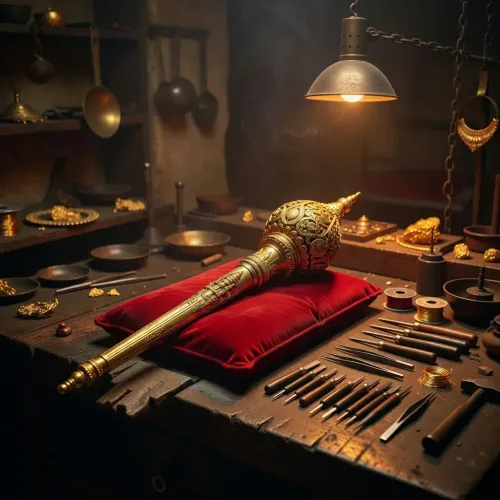
The Sengol was originally crafted in 1947 and is rooted in Chola-era tradition as a symbol of righteous power transfer.
PM Narendra Modi directed the Sengol's installation in the new Parliament building in May 2023 as a civilisational emblem.
Union Health Minister J.
Nadda described the passing as 'a great loss to our cultural heritage.' Nadda credited Ethiraj's craftsmanship with embodying 'a beautiful connection between India's timeless traditions and its national journey.'
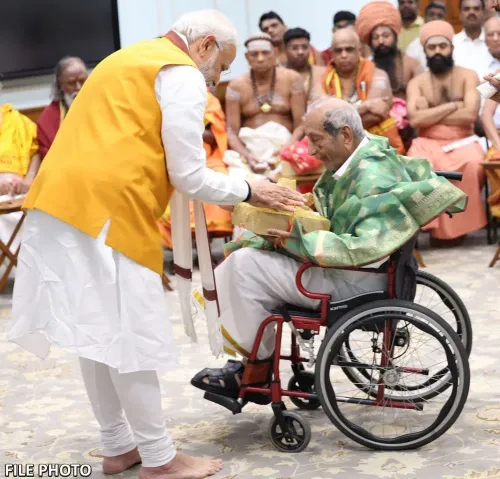
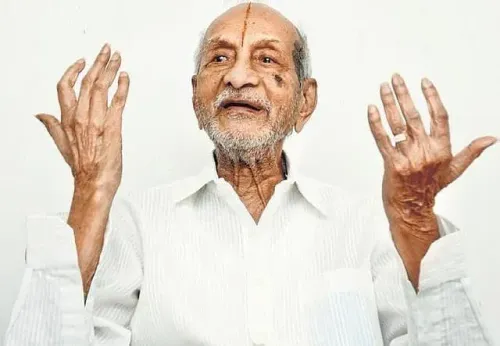
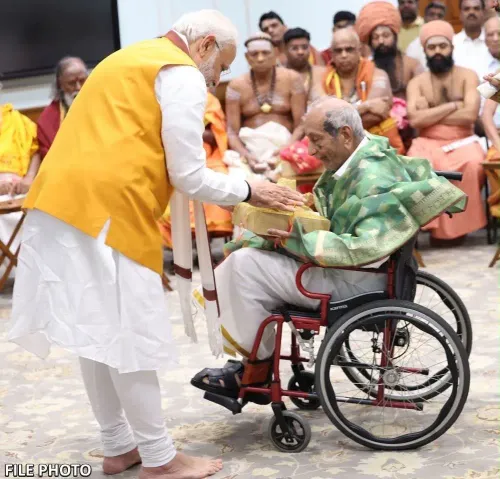
The man whose hands shaped one of modern India's most charged symbols is gone. Union Health Minister J. P. Nadda on Wednesday, 21 October 2026 expressed deep grief over the passing of Thiru Vummidi Ethiraj, the Tamil artisan whose family workshop crafted the Sengol — the ceremonial sceptre that now stands in the new Parliament building in New Delhi.
The craftsman behind the Sengol's enduring form
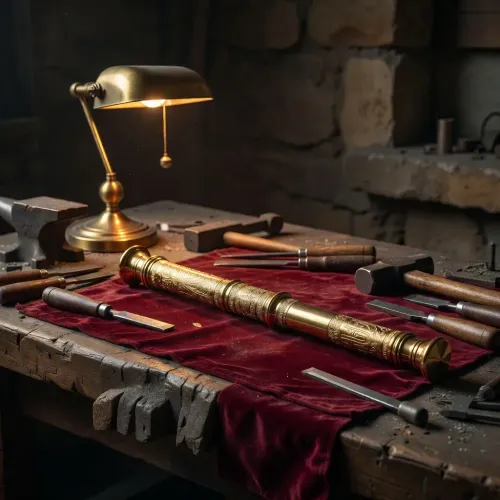
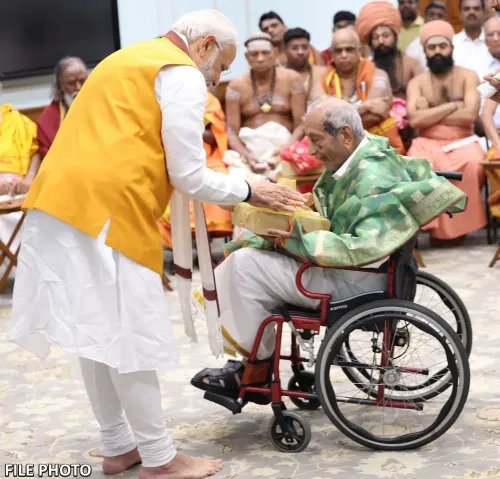
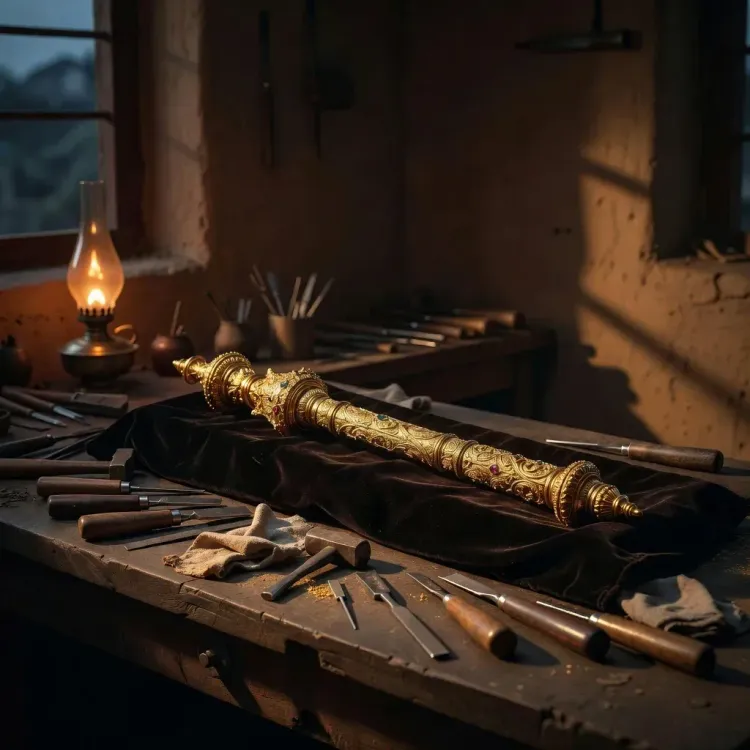
Vummidi Ethiraj belonged to the Vummidi family, whose artisans forged the Sengol — rooted in Chola-era tradition as a symbol of righteous power transfer — originally in 1947. The sceptre carries within its metalwork a lineage that stretches back centuries, and Ethiraj's role in shaping it placed him at a quiet but consequential intersection of craft and constitutional history. Nadda wrote that 'his invaluable contribution to crafting the historic Sengol will forever remain a part of India's cultural legacy.'
His passing, the minister noted, is 'a great loss to our cultural heritage' — a tribute that frames the artisan not merely as a craftsperson but as a living thread connecting ancient Indian traditions to the nation's ongoing journey.
From 1947 to the new Parliament: the Sengol's second life
The Sengol's return to public prominence came in May 2023, when Prime Minister Narendra Modi directed its ceremonial installation inside the new Parliament building in New Delhi — placing it in a position of honour as a civilisational emblem rather than a museum artefact. The moment recast the sceptre as a live symbol of India's self-understanding, drawing a direct line from the Chola tradition through independence to the present legislature.
For Vummidi Ethiraj and his family, that installation was a form of public recognition: the object their workshop had crafted was no longer a footnote but a centrepiece of the nation's most visible democratic institution.
A legacy that outlives its maker
Nadda closed his tribute with the words 'Om Shanti' — invoking the traditional Sanskrit prayer for peace — and extended condolences to Ethiraj's family 'in this hour of grief.' The register was restrained and sincere: no political architecture, just the acknowledgement of a life whose craftsmanship had quietly shaped national memory.
Artisans like Vummidi Ethiraj rarely appear in headlines while they live. The Sengol endures in Parliament; now so does his name. The hands that shaped history deserve to be remembered by it.
Frequently Asked Questions
Who was Thiru Vummidi Ethiraj?
Thiru Vummidi Ethiraj was a Tamil artisan from the Vummidi family whose workshop crafted the Sengol sceptre in 1947, a ceremonial object rooted in Chola-era tradition that was later installed in India's new Parliament building in May 2023.
What is the Sengol and why is it significant?
The Sengol is a traditional sceptre originating from Chola-era practice, symbolising the righteous transfer of power. It was installed in the new Parliament building in New Delhi in May 2023 under Prime Minister Narendra Modi as a symbol of India's civilisational heritage.
Where is the Sengol placed in Parliament?
The Sengol is placed in a position of honour inside the new Parliament building in New Delhi, where it was ceremonially installed in May 2023 during its inauguration.
What did J. P. Nadda say about Vummidi Ethiraj's passing?
Nadda called the passing 'a great loss to our cultural heritage' and said Ethiraj's contribution to crafting the Sengol 'will forever remain a part of India's cultural legacy,' extending condolences to his family and closing with 'Om Shanti.'
What is the connection between the Sengol and 1947?
The Sengol was crafted in 1947 by the Vummidi family's workshop as a symbol tied to India's independence, drawing on the ancient Chola tradition of using a sceptre to represent the transfer of righteous authority.