Nadda Offers Prayers at Jaipur's Moti Dungri Ganesh Temple
Synopsis
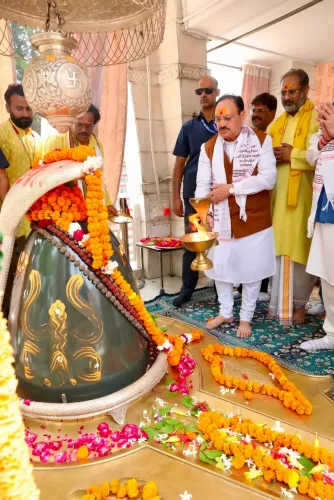
Union Health Minister and BJP president J. P. Nadda visited the ancient Moti Dungri Ganesh Ji Temple in Jaipur on August 9, 2026, offering prayers with family and seeking blessings for the welfare and prosperity of all citizens.
Key Takeaways
Nadda , Union Health Minister and BJP national president, visited Moti Dungri Ganesh Ji Temple in Jaipur, Rajasthan on August 9, 2026 .
The visit was a family occasion, described by Nadda as a moment of spiritual fortune ( saubhagya ).
Nadda opened his post with the Ganesh Gayatri mantra and prayed for the happiness, good fortune, and prosperity of all Indians.
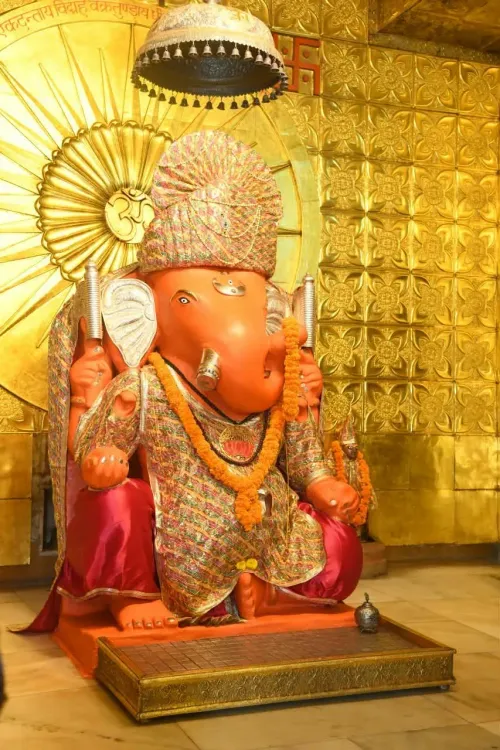
Moti Dungri is one of the most prominent Ganesha shrines in northern India, considered especially auspicious before new beginnings.
No official policy announcement or government programme was linked to the visit.
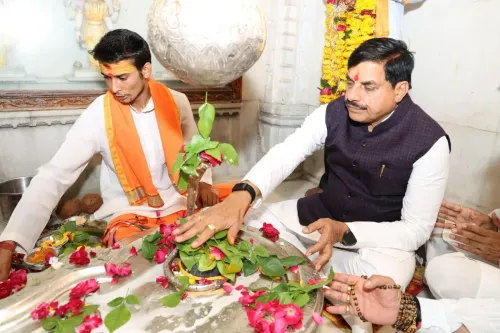
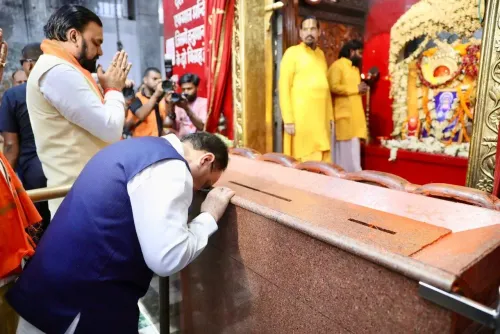
At the feet of one of Rajasthan's most revered shrines, Union Health Minister J. P. Nadda paused from the demands of national politics on Sunday, August 9, 2026, to seek the blessings of Lord Ganesha at Jaipur's ancient Moti Dungri Ganesh Ji Temple — accompanied by his family.
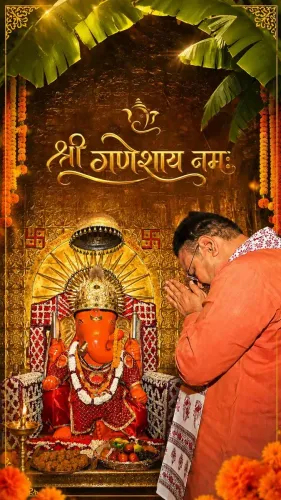
Nadda shared the visit on X, opening with the Ganesh Gayatri mantra — 'एकदंताय विद्महे, वक्रतुण्डाय धीमहि, तन्नो दंती प्रचोदयात्' ('We meditate on the one-tusked Lord, we contemplate the curved-trunk one; may that tusked God illuminate our minds') — before describing the occasion as a moment of spiritual fortune. He prayed for the 'happiness, good fortune, and prosperity of all fellow citizens,' and invoked Ganesha's grace and blessings upon everyone.
Moti Dungri: Jaipur's Hill-Top Seat of the First Deity
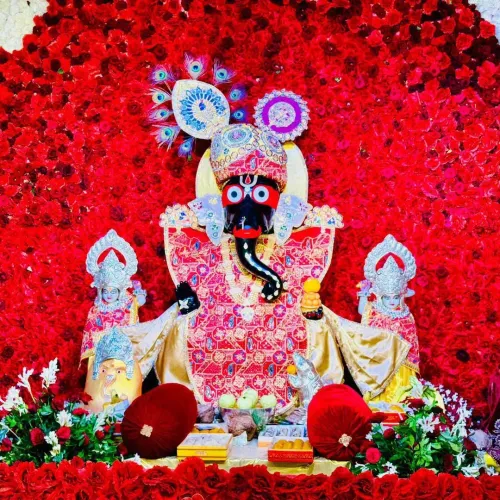
The Moti Dungri Ganesh Ji Temple sits atop a small rocky hill in the heart of Jaipur, Rajasthan, and is among the most visited Ganesha shrines in northern India. Devotees consider a visit here auspicious before any new beginning — a tradition that gives the temple its enduring cultural weight. Nadda referred to Lord Ganesha as 'Pratham Aradhya' (the first deity to be worshipped) and 'Vighnaharta' (the remover of obstacles), invoking the two most common epithets associated with the god in Hindu tradition.
Faith, Family, and the Political Calendar
Indian political leaders across the spectrum have long woven public religious visits into their public presence — a practice that signals both personal faith and cultural kinship with voters. Nadda's visit, made with family, carries the character of a private devotional moment shared publicly, rather than a formal official engagement. No policy announcement or official programme was attached to the temple visit.
Point of View
Cutting across party lines. For a BJP leader of Nadda's stature — simultaneously the party's national president and a senior Union minister — such posts reinforce the party's cultural-nationalist identity with a personal, familial touch. The choice of Moti Dungri, a widely revered and visually recognisable shrine, amplifies reach among Hindu devotees in Rajasthan, a state that remains electorally significant. The post carries no policy signal, but in the grammar of Indian political messaging, devotional visibility is rarely incidental.
NationPress
9 Aug 2026
Frequently Asked Questions
Where is Moti Dungri Ganesh Ji Temple located?
Moti Dungri Ganesh Ji Temple is located in Jaipur, Rajasthan, atop a small rocky hill, and is one of the most prominent Ganesha shrines in northern India.
Why did JP Nadda visit Moti Dungri temple?
Nadda described the visit as a personal act of devotion, seeking the blessings of Lord Ganesha with his family and praying for the welfare and prosperity of all Indian citizens.
What did JP Nadda say after visiting Moti Dungri temple?
Nadda shared the Ganesh Gayatri mantra and expressed his wish for the happiness, good fortune, and prosperity of all fellow citizens, invoking Ganesha's grace upon everyone.
What is the significance of Moti Dungri Ganesh Ji Temple?
The temple is considered one of the most auspicious Ganesha shrines in Rajasthan and northern India, traditionally visited before new undertakings, with Ganesha revered as the remover of obstacles.
Is JP Nadda's temple visit linked to any government announcement?
No. The visit was personal and ceremonial in nature; no policy announcement or official government programme was associated with it.