Nadda Rallies Jharkhand, Odisha MPs for TB-Free India Push
Synopsis
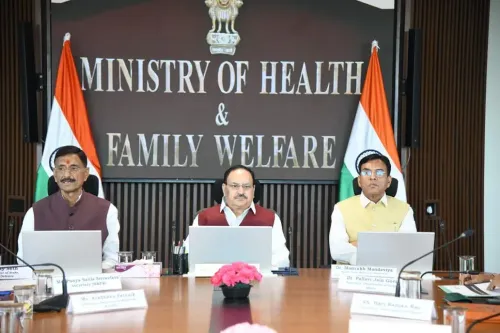
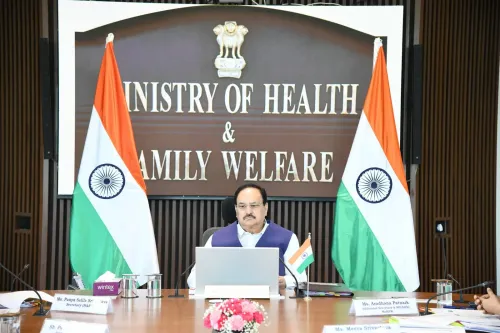
Union Health Minister J. P. Nadda met MPs from Jharkhand and Odisha on 12 August 2026, directing them to conduct bi-monthly district-level reviews of the TB elimination programme and stressing early diagnosis, active case-finding, and last-mile nutritional support under the TBMuktBharat mission.
Key Takeaways
Union Health Minister J.
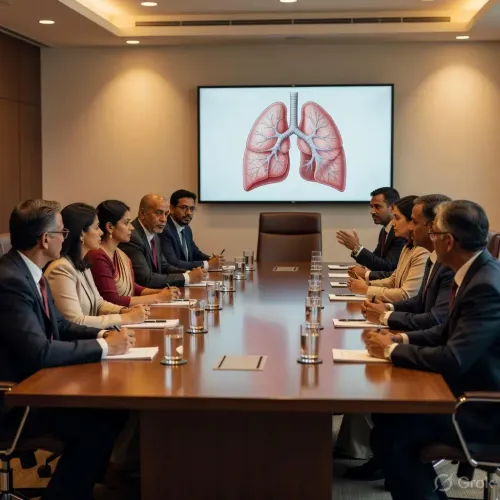
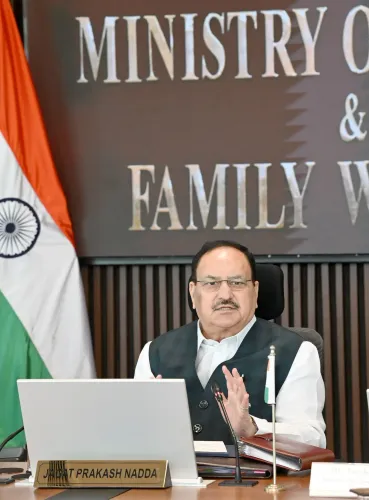
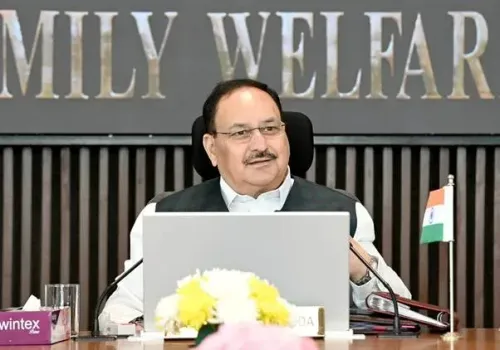
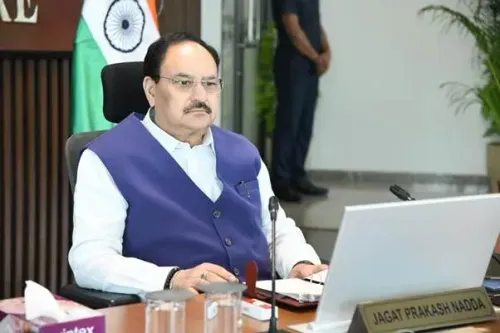
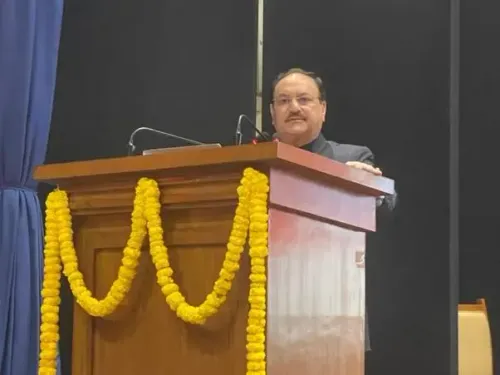
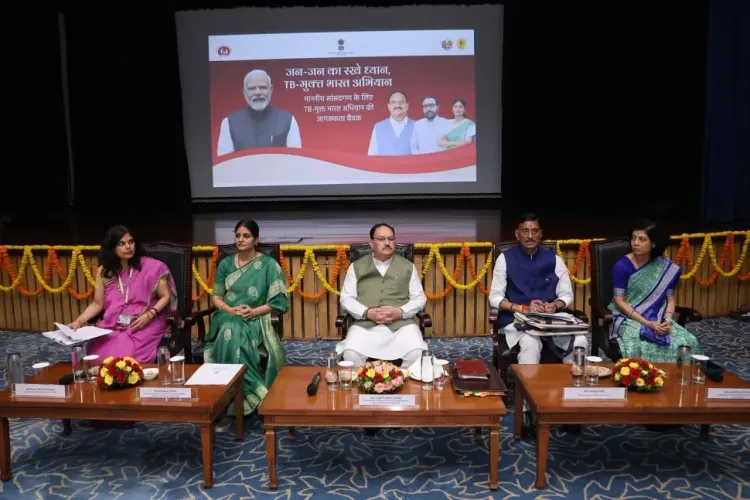
Nadda held a structured interaction with Members of Parliament from Jharkhand and Odisha on 12 August 2026 to review TB elimination strategies.
MPs were directed to meet district administration and health officials at least once every two months to monitor programme progress.
The Minister emphasised four pillars: innovative case-finding, early diagnosis, patient-centric care, and last-mile delivery of nutritional support.
The Nikshay Poshan Yojana (launched 2018 ) provides monthly direct benefit transfers to notified TB patients to counter malnutrition-linked treatment failure.
My Bharat Volunteers and NCC cadets are part of the outreach coalition targeting hard-to-reach communities in eastern India.
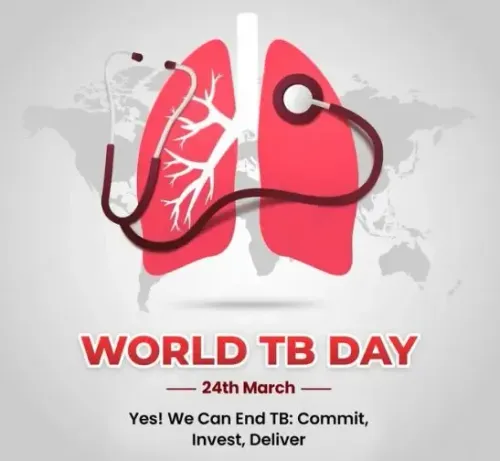
India committed in 2018 to achieving a TB-free nation by 2025 , five years ahead of the WHO End TB global deadline, with the drive continuing beyond that marker.
With India's TB elimination deadline demanding district-by-district accountability, Union Health Minister J. P. Nadda on Wednesday, 12 August 2026 convened a direct interaction with Members of Parliament from Jharkhand and Odisha — two eastern states that sit at the heart of the country's highest TB burden zones — pressing them to become active monitors of the programme on the ground.
MPs as field auditors: the bi-monthly mandate
The Health Minister's ask was pointed: every MP in the room must personally review the progress of the National TB Elimination Programme with district administration and district health officials at least once every two months. That cadence is not ceremonial — it is designed to create a political accountability loop that no bureaucratic report can replicate. Nadda stressed four pressure points — innovative case-finding, early diagnosis, patient-centric care, and last-mile delivery of nutritional support — as the levers that will determine whether the #TBMuktBharat vision becomes a reality.
The nutritional support piece has a name and a track record. The Nikshay Poshan Yojana, launched in 2018, channels a monthly direct benefit transfer to every notified TB patient, addressing the malnutrition-tuberculosis spiral that has long undercut treatment outcomes in tribal and mining-belt districts of eastern India. Jharkhand and Odisha, with their large Adivasi populations and dense mining corridors, are precisely the terrain where last-mile delivery breaks down — and where political muscle at the MP level can break the logjam.
A 2025 target that didn't stop at 2025
India staked its reputation in 2018 by committing to eliminate TB by 2025 — five years ahead of the WHO End TB global deadline. The National Strategic Plan for Tuberculosis Elimination 2017-2025 shifted the playbook from passive detection to aggressive active case-finding and daily drug regimens. The TB Mukt Bharat Abhiyan, launched in 2020, widened the net further, pulling in community volunteers, My Bharat Volunteers, and NCC cadets as outreach arms in areas where the formal health system thins out.
Nadda invoked Prime Minister Narendra Modi's leadership as the animating force behind the effort, framing the TB fight as a convergence of public representatives, healthcare professionals, communities, and youth volunteers — a coalition wide enough to reach the last patient in the last village.
Why Jharkhand and Odisha, why now
Eastern India's TB burden is not incidental. Malnutrition rates, occupational silica exposure in mining communities, and gaps in diagnostic infrastructure have historically made these states resistant to national averages. Bringing their MPs into a structured review cycle — rather than leaving oversight to health secretariats alone — is a deliberate political intervention. The Nikshay digital portal already tracks patient notifications and treatment outcomes in real time; what Nadda is adding is human accountability at the constituency level, a layer no dashboard can substitute.
The message leaving the room was unambiguous: the government's TB strategy is no longer a vertical health programme to be administered quietly. It is a political commitment with named representatives, named districts, and a named deadline — and the Minister expects to hear back every sixty days.
Point of View
Bi-monthly accountability loop, Nadda is attempting to solve the classic last-mile problem in public health — not with a new scheme, but with political skin in the game at the constituency level. The choice of Jharkhand and Odisha MPs is strategically deliberate: these are high-burden, high-complexity states where administrative capacity alone has historically fallen short. The move also signals that the government is recalibrating its TB narrative after the 2025 deadline passed, reframing the mission as an ongoing political commitment rather than a missed target. Whether bi-monthly MP reviews translate into measurable case-detection gains will be the real test of this accountability architecture.
NationPress
13 Aug 2026
Frequently Asked Questions
What is the TB Mukt Bharat mission and what is India's TB elimination target?
The TB Mukt Bharat mission aims to eliminate tuberculosis from India by 2025, five years ahead of the WHO's global End TB deadline of 2030. It combines active case-finding, digital patient tracking via the Nikshay portal, nutritional support through the Nikshay Poshan Yojana, and community volunteer engagement.
What did J. P. Nadda ask MPs from Jharkhand and Odisha to do for TB elimination?
Union Health Minister J. P. Nadda directed MPs from Jharkhand and Odisha to review the progress of the National TB Elimination Programme with district administration and health officials at least once every two months, creating a grassroots accountability layer for the programme.
What is the Nikshay Poshan Yojana and who benefits from it?
Nikshay Poshan Yojana, launched in 2018, is a direct benefit transfer scheme that provides monthly nutritional support to every notified TB patient in India. It targets the malnutrition-tuberculosis cycle that worsens treatment outcomes, particularly in tribal and economically vulnerable communities.
Why are Jharkhand and Odisha priority states for TB elimination in India?
Jharkhand and Odisha have large Adivasi populations, significant mining-belt communities with occupational health risks like silica exposure, and historically weaker diagnostic infrastructure — making them high-burden states where TB persists despite national programme efforts.
What role do NCC cadets and My Bharat Volunteers play in India's TB programme?
NCC cadets and My Bharat Volunteers serve as community outreach arms under the TB Mukt Bharat Abhiyan, helping extend TB awareness, patient identification, and support services to remote and underserved areas where the formal health system has limited reach.