NEET-PG 2026: Nadda reviews exam preparedness, 2.73 lakh candidates registered
Synopsis
With 2,73,183 candidates registered — a 12.5 per cent jump over last year — NEET-PG 2026 is shaping up as the largest postgraduate medical entrance in recent memory. Health Minister Nadda's pre-exam review signals that the government is determined not to repeat the controversies that shadowed previous medical entrance cycles.
Key Takeaways
Nadda chaired a high-level NEET-PG 2026 preparedness review on 1 August ; the exam is scheduled for 30 August 2026 .
2,73,183 candidates have registered — an increase of more than 12.5 per cent over the previous year.
The exam will be held across 340 cities at more than 1,300 centres in a single shift.
New reforms include three state centre preferences , a revised 180-question / 210-minute format, and city communication three weeks in advance.
Aadhaar-based and iris biometric authentication integrated; over 60,000 personnel to be deployed.
Nadda warned candidates that paper-leak claims are false, citing the exam's encrypted, time-bound question-selection process.
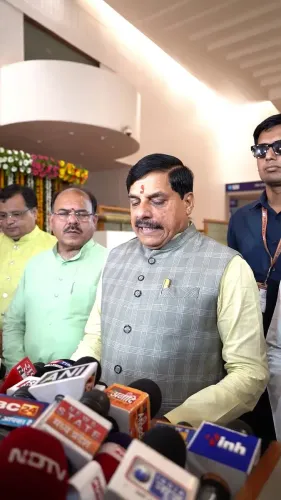
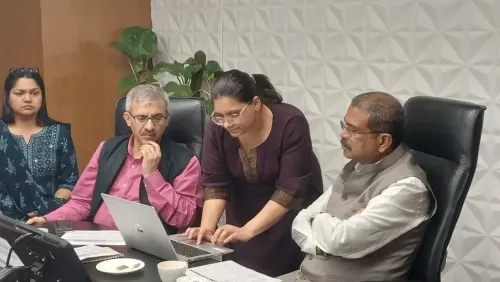
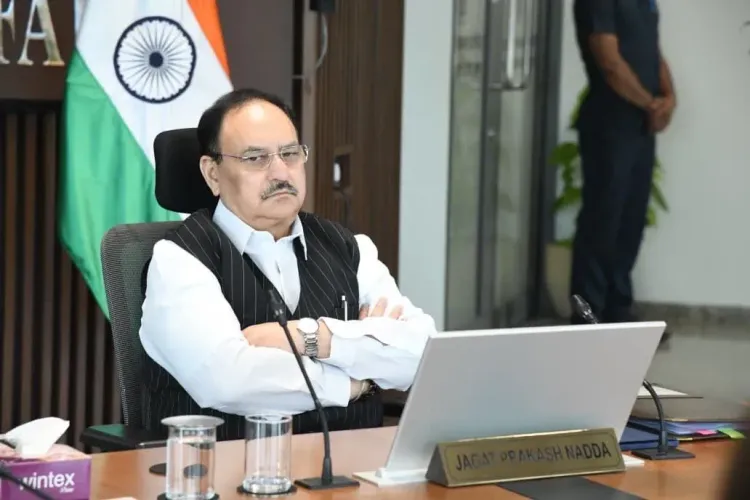
Union Minister for Health and Family Welfare J.P. Nadda on Saturday, 1 August chaired a high-level review meeting to assess preparedness for the National Eligibility-cum-Entrance Test for Postgraduate (NEET-PG) 2026, scheduled to be held on 30 August. The minister directed all stakeholders to ensure a smooth, secure, transparent and technology-enabled examination process.
Scale and Reach of NEET-PG 2026
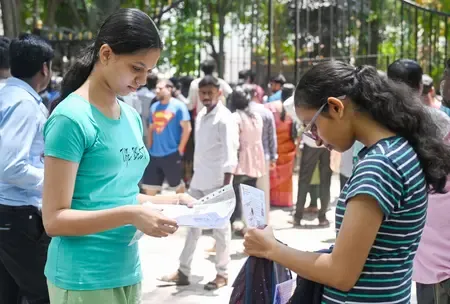
A total of 2,73,183 candidates have registered for NEET-PG 2026, reflecting an increase of more than 12.5 per cent over the previous year. The examination will be conducted in a single shift across nearly 340 cities at more than 1,300 examination centres, significantly widening accessibility for aspirants across the country.
Key Reforms Introduced This Year
Several student-centric changes have been incorporated for the 2026 cycle. Candidates may now indicate three state preferences for test centres, with their correspondence state as the mandatory first preference — a move officials say will improve the likelihood of being allotted a nearby centre. Information about the test city will be communicated nearly three weeks in advance, giving aspirants adequate time to arrange travel and accommodation.
The examination pattern has also been revised: candidates will now answer 180 questions in 210 minutes, allowing more time per question compared to previous formats.
Security Framework and Technology Integration
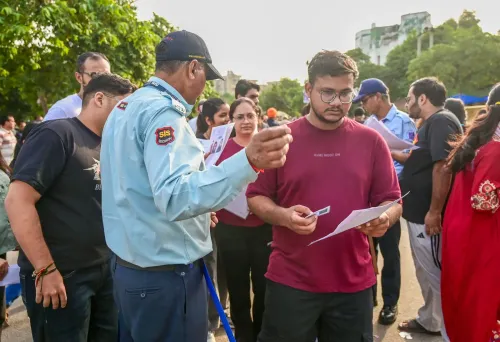
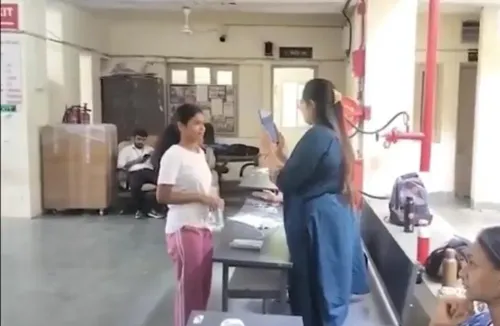
During the review, Nadda assessed an extensive security architecture covering CCTV surveillance, biometric verification, frisking, signal jammers, dynamic computer allocation, and live monitoring through central and regional command centres. More than 60,000 examination personnel will be deployed on the day of the test.
On the technology front, Aadhaar-based authentication has been integrated at both the registration and examination stages. Iris-based biometric verification will serve as a backup where fingerprint authentication fails, adding a further layer of identity assurance.
Warning Against Rumours and Paper-Leak Claims
The Union Minister cautioned aspirants against rumours and fraudulent claims regarding question paper leaks. He clarified that the final question paper is selected through a highly secure, encrypted and time-bound process shortly before the examination begins, making any claim of prior access completely false. Candidates were advised to rely only on official communications issued by the National Board of Examinations in Medical Sciences (NBEMS) and the Ministry of Health and Family Welfare, and to report any suspicious activity immediately.
What Happens Next
Officials briefed the minister on examination logistics, candidate facilitation measures and the technology-driven interventions introduced this year. Nadda directed all agencies to maintain close coordination ahead of the 30 August examination date. With registration numbers at a record high, the pressure on NBEMS to deliver a glitch-free, tamper-proof test is greater than ever.
Point of View
300 centres in 340 cities simultaneously. Aadhaar and iris biometrics are meaningful upgrades, but past irregularities in medical entrances have often originated in the human chain, not the technology layer. Until NBEMS publishes a post-exam transparency report with incident data, the reforms remain promises, not proof.
NationPress
16 Sept 2026
Frequently Asked Questions
When is NEET-PG 2026 scheduled to be held?
NEET-PG 2026 is scheduled for 30 August 2026. It will be conducted in a single shift across nearly 340 cities at more than 1,300 examination centres nationwide.
How many candidates have registered for NEET-PG 2026?
A total of 2,73,183 candidates have registered for NEET-PG 2026, representing an increase of more than 12.5 per cent over the previous year's registration figures.
What new reforms have been introduced for NEET-PG 2026?
Key reforms include the option for candidates to indicate three state preferences for test centres, a revised exam pattern of 180 questions in 210 minutes, and test-city communication nearly three weeks before the exam. Aadhaar-based authentication and iris biometric verification have also been integrated.
Is the NEET-PG 2026 question paper safe from leaks?
Health Minister J.P. Nadda clarified that the final question paper is selected through a highly secure, encrypted and time-bound process shortly before the exam begins, making prior access impossible. Candidates are advised to ignore rumours and report suspicious activity to NBEMS.
Who is overseeing NEET-PG 2026 and what security measures are in place?
The National Board of Examinations in Medical Sciences (NBEMS) is conducting the exam under the oversight of the Ministry of Health and Family Welfare. Security measures include CCTV surveillance, biometric verification, signal jammers, dynamic computer allocation, live monitoring via command centres, and deployment of more than 60,000 examination personnel.