Nadda Shares PM Modi's Mann Ki Baat Heat Safety Advisory
Synopsis
Union Health Minister J. P. Nadda amplified PM Modi's Mann Ki Baat appeal on 31 May 2026, advising citizens to stay hydrated, avoid unnecessary sun exposure, and follow official inter-departmental heatwave guidelines as intense summer heat grips most of India.
Key Takeaways
Union Health Minister J.
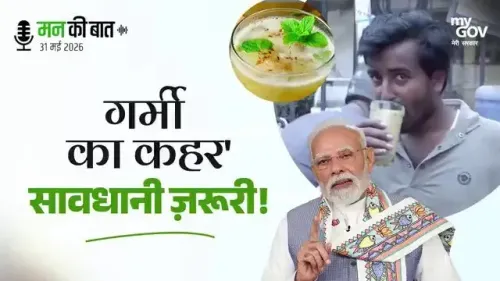
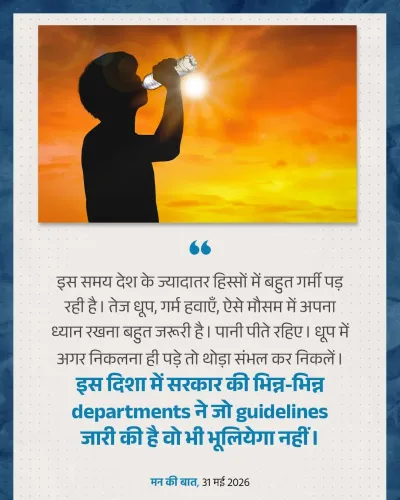
Nadda shared a heat-safety advisory from PM Narendra Modi via Mann Ki Baat on 31 May 2026 .
Citizens were urged to drink water regularly and exercise caution when venturing out in direct sunlight.
The advisory directed the public to follow guidelines issued by multiple government departments for the summer season.
PM Modi also encouraged people to enjoy traditional Indian summer beverages as a natural cooling measure.
The message reflects a coordinated, whole-of-government approach to seasonal public-health communication rooted in India's Disaster Management Act, 2005 framework.
Outdoor workers, the elderly, and children are the most vulnerable groups targeted by such heatwave advisories.
Union Health Minister J. P. Nadda on Sunday, 31 May 2026, shared a public-health advisory from Prime Minister Narendra Modi via the Mann Ki Baat radio programme, urging citizens across India to protect themselves from the intense summer heat and to follow inter-departmental government guidelines issued for the season.
Context
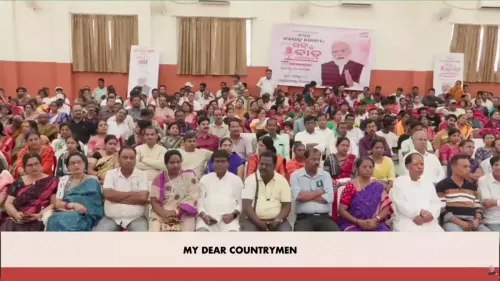
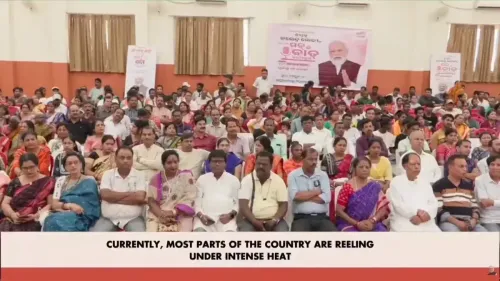
In the post, Nadda quoted PM Modi as saying: 'Most parts of the country are experiencing very intense heat right now. Scorching sun, hot winds — it is very important to take care of yourself in such weather. Keep drinking water, and if you must go out in the sun, do so carefully. Do not forget the guidelines issued by various government departments in this regard.'
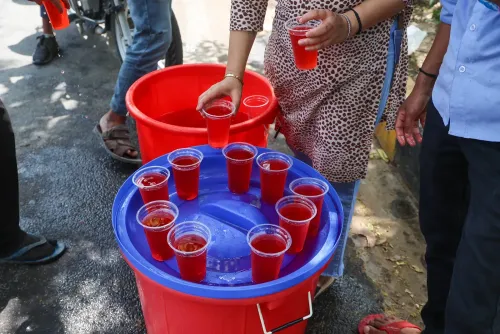
The advisory also encouraged citizens to enjoy traditional Indian summer beverages — 'deesi peyjalon ka khoob aanand lijiye' (savour traditional indigenous drinks abundantly) — a nod to cooling drinks such as lassi, sharbat, aam panna, and nimbu paani that are widely consumed across the country during summer months.
Policy Backdrop
The advisory is rooted in India's formal heatwave preparedness architecture. The Disaster Management Act, 2005 created the institutional framework under which the National Disaster Management Authority (NDMA) and state governments have developed heat action plans, particularly after the landmark 2010 Ahmedabad Heat Action Plan demonstrated that early-warning systems and public communication could reduce heat-related mortality.
The Ministry of Health and Family Welfare issues annual summer health advisories coordinating with state health departments, while the India Meteorological Department (IMD) provides heatwave bulletins that feed into these advisories. Mann Ki Baat, the Prime Minister's monthly radio address running since 2014, has periodically served as a high-reach channel for exactly this kind of seasonal public-health messaging, reaching tens of millions of listeners across urban and rural India.
Stakeholders and Impact
The advisory is especially relevant for outdoor workers, the elderly, and children — groups most vulnerable to heat-related illness including heat exhaustion and heatstroke. Large parts of northern, central, and western India typically record temperatures above 40°C through May and June, with heatwave conditions declared by the IMD when temperatures exceed defined thresholds.
By amplifying the Prime Minister's message through his own social-media handle, Nadda reinforces the health ministry's role as the nodal agency for translating broad public-wellness messaging into actionable citizen behaviour. The reference to official inter-departmental guidelines signals a coordinated whole-of-government approach rather than a single-ministry communication.
What's Next
State governments are expected to operationalise heat action plans in line with central advisories, including opening cooling centres, issuing district-level alerts, and activating community health workers. Observers will watch whether the next episode of Mann Ki Baat revisits the theme or expands on specific traditional remedies and hydration practices. Parliamentary health committee updates and IMD heatwave bulletins through June 2026 will indicate how the season unfolds and whether the advisory campaign scales further.
Point of View
The messaging bridges institutional authority and cultural familiarity, a formula that has been refined across multiple Mann Ki Baat cycles. For Nadda, sharing the advisory in his capacity as Health Minister reinforces the ministry's visibility on preventive care at a time when heatwave mortality remains a measurable public-health challenge. The approach also signals that the government views citizen behaviour change — not just infrastructure — as a core pillar of its heat-action strategy.
NationPress
22 Oct 2026
Frequently Asked Questions
What did JP Nadda say about heatwave safety in May 2026?
On 31 May 2026 , J. P. Nadda shared a public advisory from PM Modi's Mann Ki Baat urging citizens to drink water regularly, be cautious in direct sunlight, and follow official inter-departmental government guidelines for the summer heat.
What is Mann Ki Baat and why does it matter for health advisories?
Mann Ki Baat is a monthly radio address by Prime Minister Narendra Modi , running since 2014 , that reaches tens of millions of listeners and has periodically covered health, wellness, and seasonal safety themes including hydration and heat protection.
Which traditional drinks are recommended during Indian summer heat?
The advisory encouraged citizens to enjoy traditional Indian summer beverages such as lassi, sharbat, aam panna, and nimbu paani, which are widely regarded as natural cooling drinks.
What government body issues heatwave guidelines in India?
The National Disaster Management Authority (NDMA) is the apex body for heatwave preparedness, while the Ministry of Health and Family Welfare issues annual summer health advisories coordinated with state governments.
Who is most at risk during heatwaves in India?
Outdoor workers, the elderly, and children are the groups most vulnerable to heat-related illness including heat exhaustion and heatstroke during India's summer months.