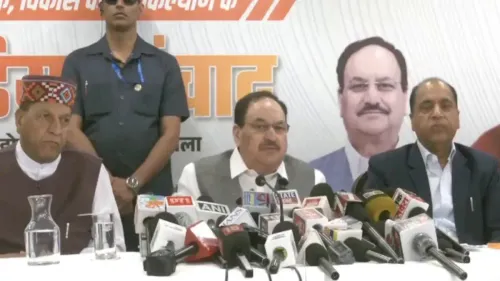
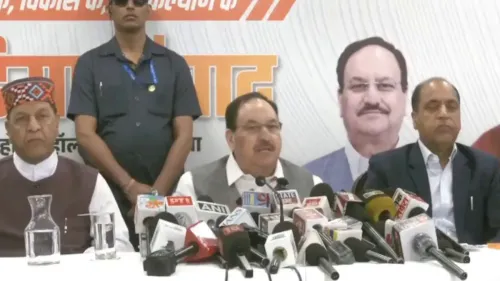
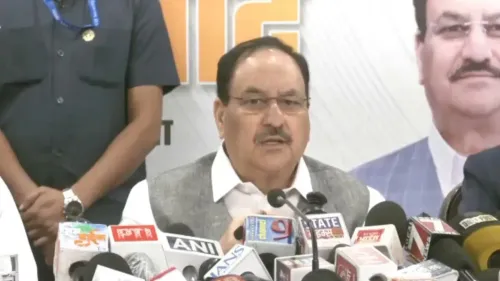
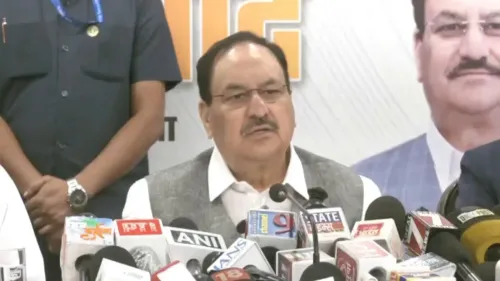
Nadda Votes With Family in Vijaypur Sungla, Urges HP Panchayat Poll Turnout
Synopsis
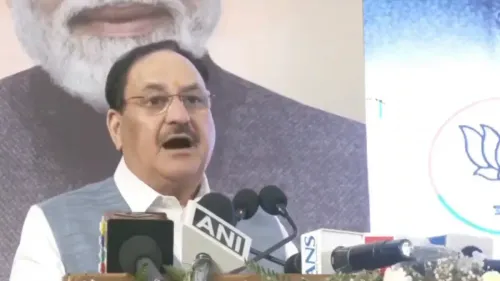
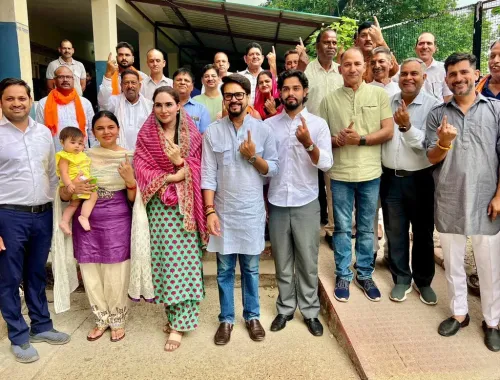
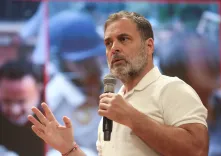
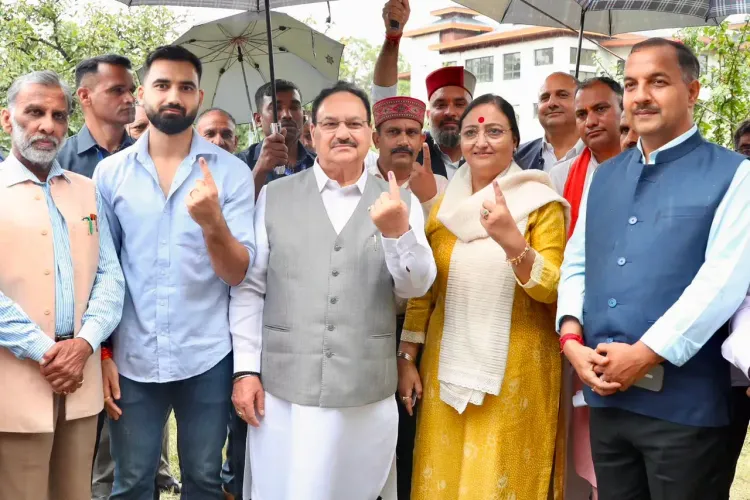
Union Health Minister and BJP national president J. P. Nadda voted with his family at his native village Vijaypur Sungla in Himachal Pradesh's Jhanduta constituency during the third phase of panchayat elections on 30 May 2026, urging all voters to participate for the development of their villages and the state.
Key Takeaways
Nadda cast his vote with family at Vijaypur Sungla , his native village in Jhanduta assembly constituency , Bilaspur district , on 30 May 2026 .
The voting was part of the third phase of the Himachal Pradesh panchayat elections .
Nadda appealed to all voters to participate in the elections for the development of their village, region, and state.
He described panchayat elections as a 'festival of democracy' and stressed the role of collective participation in strengthening grassroots governance.
Panchayat elections in Himachal Pradesh are governed by the Himachal Pradesh Panchayati Raj Act, 1994 , rooted in the 73rd Constitutional Amendment, 1992 .
Union Health Minister and BJP national president J. P. Nadda cast his vote alongside his family on Saturday, 30 May 2026, at his native village Vijaypur Sungla in the Jhanduta assembly constituency of Himachal Pradesh, participating in the third phase of the state's ongoing panchayat elections.
Context
Posting on X in Hindi, Nadda described the occasion as a 'loktantra ka parv' (festival of democracy) and said he ensured his participation along with family members. He appealed directly to voters: 'Apne gram, kshetra aur rajya ke samuchit vikas evam jan utthan ke liye loktantra ke mahotsav mein shamil hokar matdan avashya karein' — urging every voter to participate for the proper development and uplift of their village, region, and state.
He added that every vote would play an 'important role in building a strong village and a developed Himachal Pradesh,' linking grassroots electoral participation directly to rural development outcomes.
Policy Backdrop
Panchayat elections in Himachal Pradesh are held every five years under the Himachal Pradesh Panchayati Raj Act, 1994, which operationalised the landmark 73rd Constitutional Amendment Act, 1992. That amendment mandated regular elections and the devolution of powers, functions, and funds to rural local bodies across India.
The three-tier panchayati raj system — gram panchayat, panchayat samiti, and zila parishad — forms the constitutional backbone of decentralised governance in the country. Senior leaders participating in local polls is a long-standing practice intended to signal institutional respect for grassroots democracy.
Stakeholders and Impact
Nadda's roots in Himachal Pradesh politics predate his rise to national office; Jhanduta, located in Bilaspur district, is part of the political geography he has been associated with for decades. His public vote, accompanied by family, carries symbolic weight in a state where local elections are closely watched as indicators of political sentiment.
Rural voters, gram panchayat candidates, and residents across Himachal Pradesh are the primary stakeholders in this cycle of elections. The newly elected panchayat bodies will be responsible for implementing centrally and state-sponsored rural development schemes at the village level.
What's Next
With the third phase of voting under way, attention will turn to the remaining phases of the Himachal Pradesh panchayat elections and the eventual constitution of newly elected bodies. The devolution of functions and funds to these bodies — a perennial point of debate in state-centre fiscal relations — will determine how effectively the elected representatives can translate voter mandates into local development.
Point of View
Senior leaders visibly participating serves as a mobilisation signal to cadre and supporters. The post also subtly frames panchayati raj empowerment as a collective responsibility, consistent with the party's long-standing narrative around decentralised governance.
NationPress
14 Oct 2026
Frequently Asked Questions
Where did J. P. Nadda vote in the Himachal Pradesh panchayat elections?
J. P. Nadda voted at his native village Vijaypur Sungla in the Jhanduta assembly constituency of Bilaspur district , Himachal Pradesh.
Which phase of Himachal Pradesh panchayat elections took place on 30 May 2026?
The third phase of the Himachal Pradesh panchayat elections was held on 30 May 2026 .
What did Nadda say about panchayat elections on X?
Nadda described panchayat elections as a 'festival of democracy' and urged all voters to cast their vote for the development of their village, region, and state, and to contribute to building a 'strong village and developed Himachal Pradesh.'
What is the legal framework for panchayat elections in Himachal Pradesh?
Panchayat elections in Himachal Pradesh are governed by the Himachal Pradesh Panchayati Raj Act, 1994 , which was enacted to implement the 73rd Constitutional Amendment Act, 1992 — the law that mandated regular elections and devolution of powers to rural local bodies across India.
Why do senior leaders vote in panchayat elections?
Senior leaders publicly participating in panchayat elections is a long-standing practice in India meant to signal institutional respect for grassroots democracy, mobilise voter turnout, and reinforce their connection to their home constituencies.