CM Naidu Launches Three Innovation Initiatives for Andhra Pradesh
Synopsis
Chief Minister N. Chandrababu Naidu on 25 May 2026 launched three innovation initiatives for Andhra Pradesh: RTIH–RuTAGe Smart Village Centers in Kuppam, Mangalagiri and Pithapuram; an APIC hardware lab with Kia India; and a ₹20 crore SIDBI–RTIH Seed Fund for deep-tech startups.
Key Takeaways
Three initiatives launched by CM Naidu on 25 May 2026 to build Andhra Pradesh's innovation ecosystem from rural outreach to enterprise funding.
RTIH Outpost–RuTAGe Smart Village Centers will be set up in Kuppam , Mangalagiri , and Pithapuram to bring technology access to rural communities.
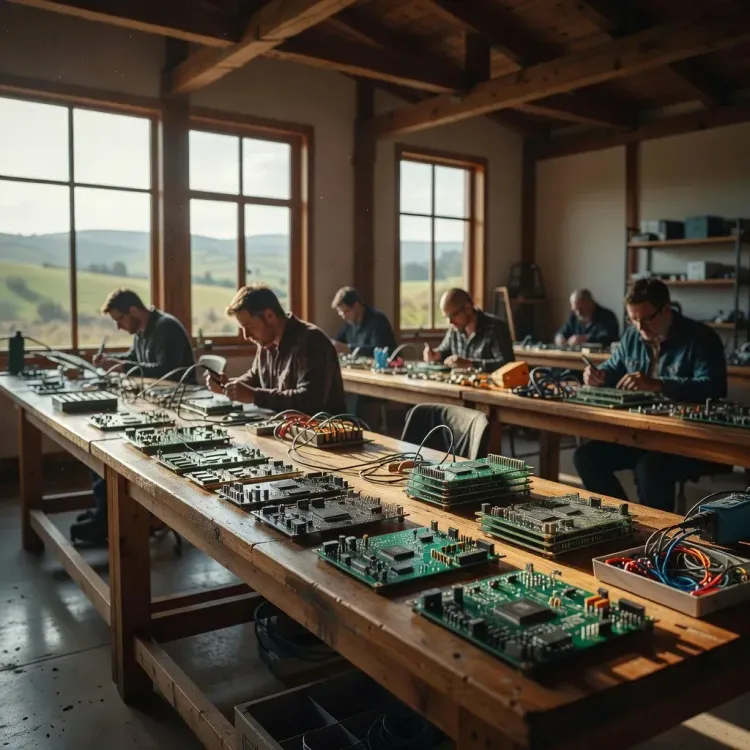
The Advanced Prototyping and Innovation Center (APIC) , a joint venture between RTIH and Kia India , will provide world-class hardware facilities for startups.
A ₹20 crore SIDBI–RTIH Seed Fund will offer early-stage capital, mentorship, governance support, and ecosystem engagement to deep-tech startups.
The announcements align with Andhra Pradesh's Startup and Innovation Policy first notified in 2015 and the state's ongoing MSME push under #MSMEwaveInAP .
The public-private model involves SIDBI , Kia India , and RuTAG under the Principal Scientific Adviser's office, distributing implementation across government, corporate, and academic sectors.
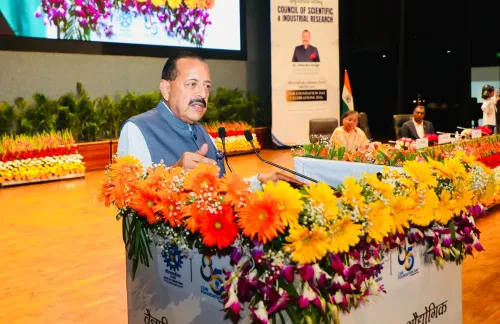
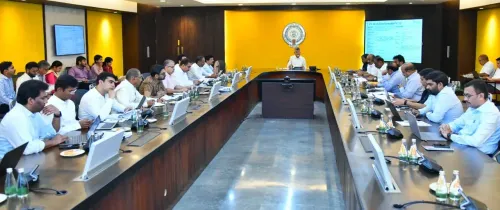
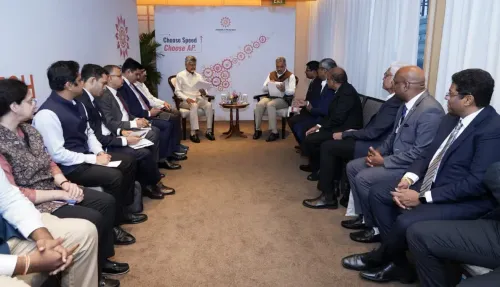
Andhra Pradesh Chief Minister N. Chandrababu Naidu on Monday, 25 May 2026 announced three new initiatives aimed at building a comprehensive innovation ecosystem across the state, spanning rural technology outposts, a hardware prototyping centre, and a deep-tech seed fund.
Context
The announcements cover three distinct pillars. First, RTIH Outpost–RuTAGe Smart Village Centers will be established in Kuppam, Mangalagiri, and Pithapuram, bringing technology and innovation infrastructure to rural communities. Second, the Advanced Prototyping and Innovation Center (APIC), set up jointly by RTIH and Kia India, will offer world-class hardware facilities for startups and innovators. Third, the ₹20 crore SIDBI–RTIH Seed Fund will provide early-stage funding, mentorship, governance support, and ecosystem engagement to deep-tech startups.
Chief Minister Naidu stated that the initiatives are designed to take a startup 'from idea to enterprise,' signalling an intent to integrate rural problem-solving with formal innovation pipelines. The three locations chosen for the Smart Village Centers span different regions of the state, including Naidu's own constituency of Kuppam in the Rayalaseema belt.
Policy Backdrop
Andhra Pradesh notified its Startup and Innovation Policy in 2015, creating incentives, incubators, and funding mechanisms for technology entrepreneurs during Naidu's first term as Chief Minister. The state subsequently signed agreements with SIDBI—the Small Industries Development Bank of India—to establish sector-focused funds and credit guarantee schemes for MSMEs, building a foundation for the current seed fund partnership.
RuTAG, or the Rural Technology Action Group, operates under the Office of the Principal Scientific Adviser to the Government of India and deploys need-based technologies in rural areas through IIT-linked networks. Its integration with the RTIH outpost model represents a convergence of central and state-level rural technology mandates. Kia India, which operates a large manufacturing plant in Andhra Pradesh, has progressively expanded its partnership activities in the state beyond automotive production into innovation and CSR infrastructure.
The #MSMEwaveInAP hashtag used by the Chief Minister places these announcements explicitly within a broader state-level push for MSME growth and industrial modernisation, a priority sector that Naidu has consistently championed across both his tenures as Chief Minister.
Stakeholders and Impact
The primary beneficiaries span three distinct groups: rural communities in and around Kuppam, Mangalagiri, and Pithapuram who gain access to technology resources through the Smart Village Centers; hardware startups and innovators who will use the APIC facility for prototyping and product development; and deep-tech founders who can apply for early-stage capital and mentorship through the ₹20 crore SIDBI–RTIH Seed Fund.
The public-private partnership model—combining a state government body (RTIH), a central financial institution (SIDBI), and a multinational corporate (Kia India)—distributes both investment risk and implementation responsibility across sectors. For MSMEs and startups operating outside major metros, the decentralised placement of these facilities in smaller cities and rural areas addresses a persistent gap in India's innovation infrastructure.
What's Next
Key milestones to watch include the operational launch dates for the APIC facility and the three RTIH Outpost–RuTAGe Smart Village Centers, as well as the selection of the first cohort of startups under the SIDBI–RTIH Seed Fund. Any state budget allocations or tender notices for scaling the Smart Village Centers beyond the three pilot locations will indicate the programme's long-term trajectory.
Andhra Pradesh's moves come as several southern and western states intensify competition for deep-tech investment and MSME upgradation, with comparable ecosystems announced in Telangana, Karnataka, and Tamil Nadu in recent years. Whether the new initiatives translate into measurable startup output and rural technology adoption will depend on execution timelines and the quality of mentorship networks mobilised under each programme.
Point of View
The state's administrative capital region, and Pithapuram, a politically significant coastal belt constituency, suggests a deliberate geographic spread. The ₹20 crore SIDBI seed fund is modest by national standards but signals that Andhra Pradesh is positioning itself as a credible early-stage deep-tech destination ahead of larger states. Execution quality, particularly the speed of APIC operationalisation and the first seed fund cohort selection, will determine whether this cycle of announcements converts into durable ecosystem outcomes.
NationPress
12 Oct 2026
Frequently Asked Questions
What is the SIDBI–RTIH Seed Fund announced by CM Naidu?
The SIDBI–RTIH Seed Fund is a ₹20 crore early-stage fund jointly established by the Small Industries Development Bank of India and RTIH (Andhra Pradesh's innovation body) to support deep-tech startups through funding, mentorship, governance support, and ecosystem engagement.
Where will the RTIH RuTAGe Smart Village Centers be set up in Andhra Pradesh?
The RTIH Outpost–RuTAGe Smart Village Centers will be established in Kuppam , Mangalagiri , and Pithapuram , three locations spread across different regions of Andhra Pradesh.
What is the Advanced Prototyping and Innovation Center (APIC) in Andhra Pradesh?
The APIC is a hardware prototyping and innovation facility set up jointly by RTIH and Kia India , designed to provide world-class infrastructure for hardware startups and innovators in Andhra Pradesh.
What is RuTAG and how is it connected to Andhra Pradesh's Smart Village Centers?
RuTAG (Rural Technology Action Group) operates under the Office of the Principal Scientific Adviser to the Government of India, deploying need-based technologies in rural areas through IIT-linked networks. Its integration with RTIH outposts connects central rural technology mandates with Andhra Pradesh's state-level innovation push.
How does Andhra Pradesh's 2026 innovation push compare to other southern states?
Andhra Pradesh's latest initiatives follow a broader southern-state pattern, with Telangana , Karnataka , and Tamil Nadu having announced comparable deep-tech and MSME innovation ecosystems in recent years, intensifying competition for startup investment and industrial upgradation.