CM Chandrababu Naidu Inaugurates Lalitha PVS Hospital in Guntur
Synopsis
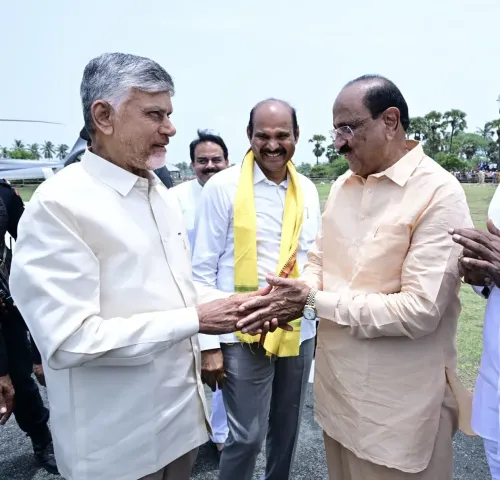
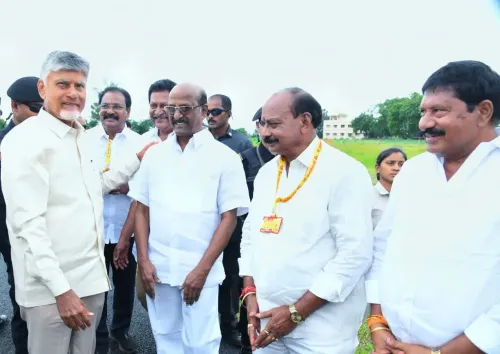
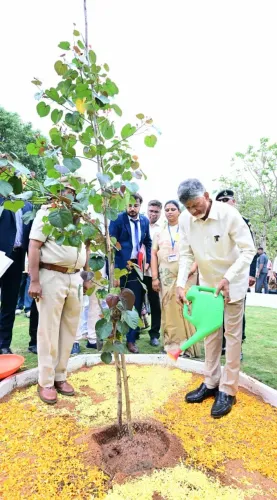
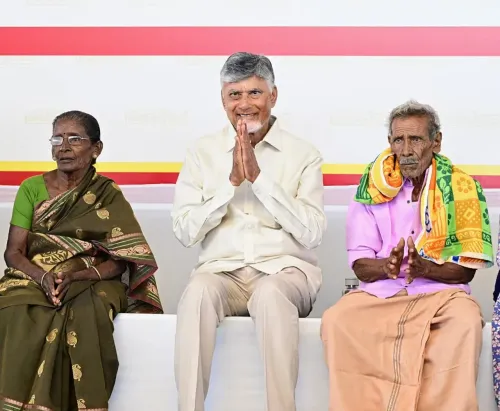
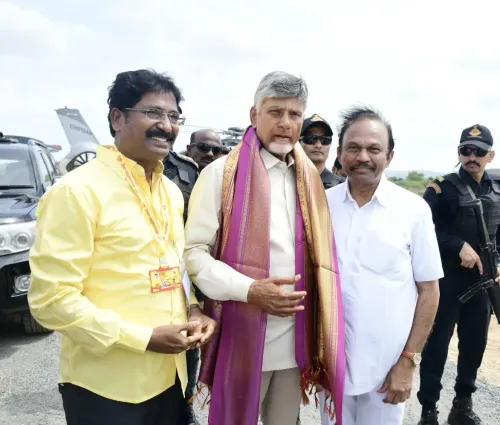
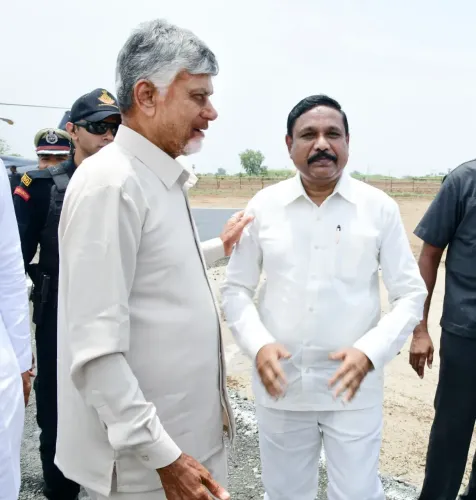
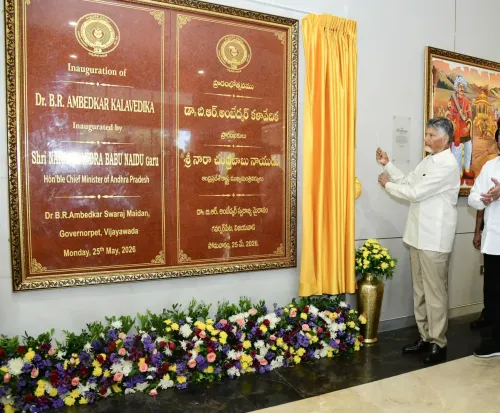
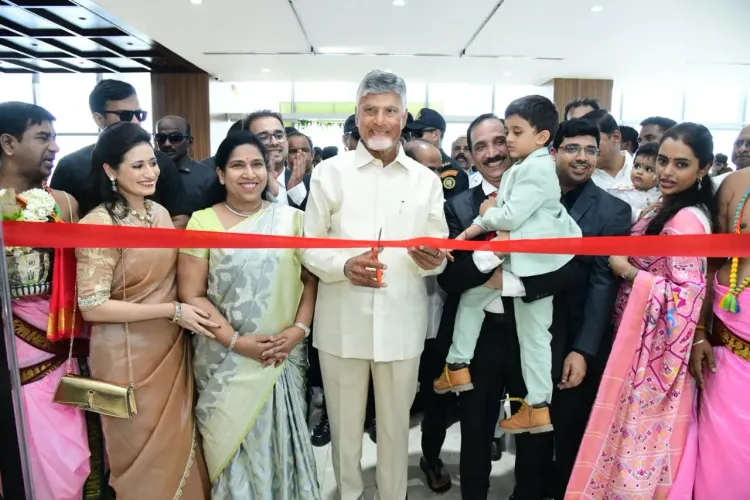
Andhra Pradesh Chief Minister Nara Chandrababu Naidu inaugurated the Lalitha PVS Hospital in Guntur and addressed the event, the Chief Minister's Office said in a post on X, sharing four images from the launch. The inauguration extends a pattern of expanding private tertiary healthcare in coastal Andhra Pradesh.
Key Takeaways
CM Nara Chandrababu Naidu inaugurated Lalitha PVS Hospital in Guntur .
The Chief Minister addressed the gathering at the launch event.
The post was shared by the official Chief Minister's Office of Andhra Pradesh handle with four images.
The inauguration aligns with Andhra Pradesh's push to expand tertiary healthcare beyond Hyderabad.
State Aarogyasri insurance, launched in 2007 , underpins demand for private hospitals in tier-two cities.
The Chief Minister's Office of Andhra Pradesh announced on Wednesday that Chief Minister Nara Chandrababu Naidu inaugurated the Lalitha PVS Hospital in Guntur, and subsequently addressed the gathering at the launch event. The post, accompanied by four images, was shared on the official handle of the Chief Minister's Office and tagged with #AndhraPradesh.
In Telugu, the post stated that 'Guntur lo Lalitha PVS aasupatrini gouravaniya mukhyamantri Sri Nara Chandrababu Naidu nedu prarambhincharu' ('Honourable Chief Minister Sri Nara Chandrababu Naidu today inaugurated the Lalitha PVS Hospital in Guntur'). The Chief Minister also delivered a speech to those present at the function, the post added.
Context
The inauguration took place in Guntur, a major district headquarters in coastal Andhra Pradesh that has grown into a regional hub for agriculture, education and healthcare. The city has, over the past decade, drawn investments from private hospital chains seeking to serve patients from across the Krishna, Guntur and Prakasam belts who previously travelled to Hyderabad or Chennai for tertiary care.
Chief Minister Nara Chandrababu Naidu, of the Telugu Desam Party, returned to office after a previous tenure between 2014 and 2019 that placed strong emphasis on infrastructure and technology-led development. Inaugurations of healthcare facilities have been a recurring feature of his public schedule.
Policy backdrop
Andhra Pradesh has historically leaned on public-private partnerships to expand tertiary care beyond government-run general hospitals. During the 2014-2019 term, the Naidu administration extended facilitation for hospital projects covering land allotment, power connections and regulatory clearances, particularly in tier-two cities.
The state's flagship Aarogyasri health insurance scheme, launched in 2007 and continued across successive governments, has been central to this architecture. By underwriting tertiary procedures for low-income families at empanelled hospitals, the scheme has helped seed demand for private capacity in cities such as Guntur, Visakhapatnam and Tirupati.
Stakeholders and impact
For patients in the Guntur region, an additional multi-specialty facility potentially shortens travel for advanced diagnostics and surgical care. Local doctors, nursing staff and allied healthcare workers also stand to benefit from new employment, while existing private hospitals in the city will see sharper competition on pricing and service quality.
For the state government, the inauguration offers an opportunity to signal administrative priority for healthcare infrastructure outside the capital region. Post-bifurcation in 2014, successive Andhra Pradesh governments have sought to build out specialist care in coastal and Rayalaseema districts to reduce dependence on Telangana-based facilities.
What's next
Attention will turn to the next state budget and whether allocations for the health department reflect a broader push on hospital infrastructure, medical colleges and diagnostic hubs in Guntur district. The Chief Minister's address at the event, details of which were not reproduced in the post, is likely to be parsed for any specific commitments on Aarogyasri expansion, medical education capacity or regulatory reforms for the private health sector.
The inauguration also fits a wider pattern of chief ministerial participation in facility launches as a marker of governmental endorsement. How the new hospital integrates with Aarogyasri empanelment, and whether it triggers similar announcements in neighbouring districts, will determine the breadth of its impact on the state's healthcare map.
Point of View
Naidu underscores his administration's preference for facilitation of private capacity alongside public schemes such as Aarogyasri. The broader arc, visible across coastal Andhra Pradesh since 2014, is one of decentralised tertiary care anchored in tier-two cities. The next test will be whether budgetary allocations and empanelment decisions match the optics of the ribbon-cutting.
NationPress
17 Sept 2026
Frequently Asked Questions
Who inaugurated the Lalitha PVS Hospital in Guntur?
Andhra Pradesh Chief Minister Nara Chandrababu Naidu inaugurated the Lalitha PVS Hospital in Guntur, according to a post by the Chief Minister's Office of Andhra Pradesh.
Where is the Lalitha PVS Hospital located?
The hospital is located in Guntur, a major district headquarters in coastal Andhra Pradesh and a regional hub for healthcare, education and agriculture.
What is the Aarogyasri scheme in Andhra Pradesh?
Aarogyasri is the state's health insurance scheme launched in 2007 that subsidises tertiary care for low-income families at empanelled public and private hospitals.
Why is Andhra Pradesh expanding private hospitals in tier-two cities?
After the 2014 bifurcation, successive governments have prioritised tertiary healthcare in coastal and Rayalaseema districts to reduce dependence on Hyderabad-based facilities and shorten patient travel.
What did CM Naidu do after inaugurating the hospital?
He addressed the gathering at the launch event, according to the post by the Chief Minister's Office of Andhra Pradesh, though the contents of the speech were not detailed in the post.