CM Himanta: ₹11,000 Cr Namrup Urea Plant on Track for 2028
Synopsis
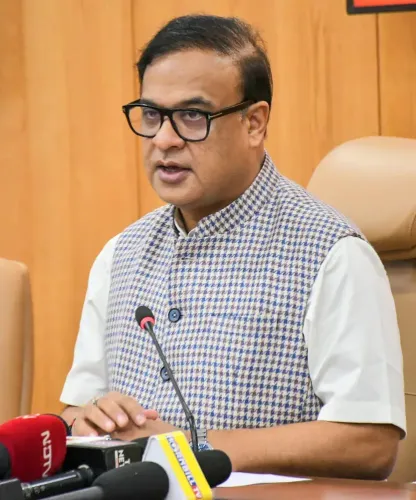
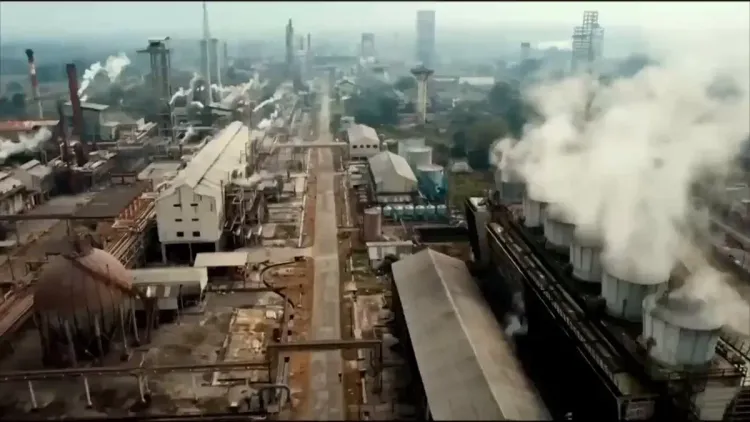
Assam Chief Minister Himanta Biswa Sarma announced the ₹11,000 crore Namrup urea plant is on track for a 2028 completion, blaming Congress-era security objections over border proximity for decades of delay. PM Modi laid the project's foundation stone last year.
Key Takeaways
Assam CM Himanta Biswa Sarma confirmed the ₹11,000 crore Namrup urea plant is on track for completion by 2028 .
The project faced decades of delay; a Congress government had objected that the plant was 'too close' to the international border.
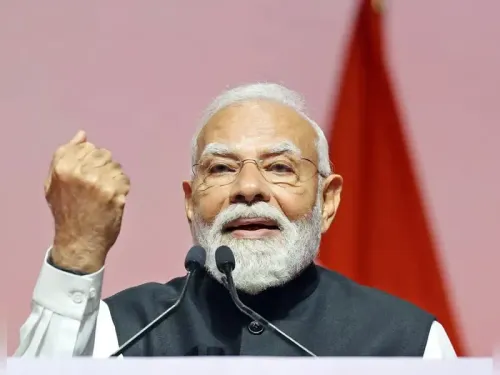
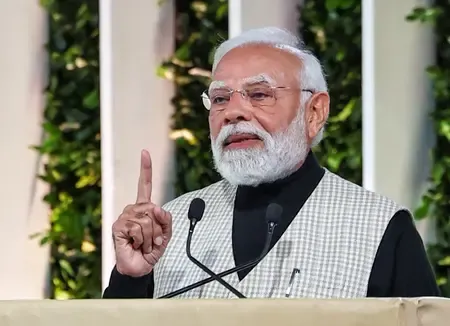
Prime Minister Narendra Modi laid the foundation stone of the revived project last year.
The plant is located in Dibrugarh district , Assam, in the northeastern frontier region.
Once commissioned, the plant is expected to reduce fertilizer import dependence and benefit farmers across the Northeast .
The project is among the largest industrial investments in Assam in recent years.
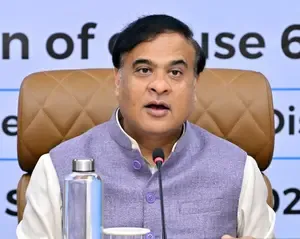
Assam Chief Minister Himanta Biswa Sarma announced on Wednesday, 24 June 2026 that the long-delayed ₹11,000 crore Namrup urea plant in Dibrugarh district is now on course for completion by 2028, attributing decades of stagnation partly to a Congress-era objection that the facility was 'too close' to the border.
Context
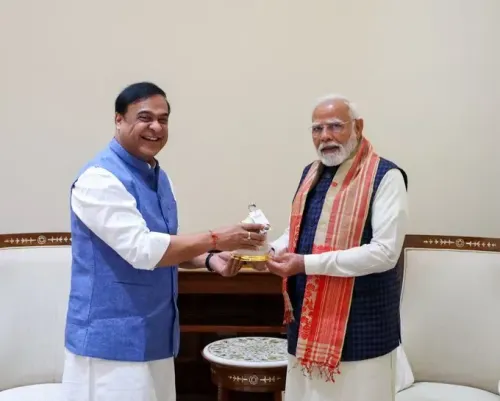
In his post, CM Sarma stated that the project had faced prolonged delays, with the Indian National Congress government at one point holding back the plant on grounds of its proximity to the international border. He credited Prime Minister Narendra Modi with laying the foundation stone of the revived project last year, signalling a decisive policy reversal.
The Namrup facility sits in Dibrugarh district, a region that borders Arunachal Pradesh and lies in the broader northeastern frontier. The same border sensitivity that once stalled the plant has, under the current dispensation, been reframed as a strategic rationale for accelerating infrastructure in the region.
Policy Backdrop
The revival of the Namrup urea plant fits within a wider Union government push, articulated after 2014, to expand domestic urea production capacity and reduce India's dependence on fertilizer imports. Successive administrations had floated proposals to anchor fertilizer capacity in the Northeast, but security-based objections repeatedly shelved those plans.
The shift in approach reflects a broader pattern: strategic infrastructure projects in sensitive border zones — once deferred on security grounds — are now being fast-tracked under the argument that development itself strengthens national security. The Namrup plant, once it is commissioned, would serve farmers across Assam and neighbouring northeastern states, reducing the long supply chains that currently make fertilizers costlier in the region.
Stakeholders and Impact
The primary beneficiaries of a functional Namrup urea plant would be Northeast farmers, who currently depend on urea transported over long distances, adding to input costs. Domestic production at Namrup could ease supply constraints and stabilise prices for agricultural communities across the region.
Fertilizer producers and logistics operators in the Northeast stand to gain from the ancillary economic activity the plant would generate. For Assam specifically, the project represents one of the largest industrial investments in recent memory, with potential downstream effects on employment and industrial supply chains in Dibrugarh and surrounding districts.
What's Next
With the 2028 completion target now publicly reaffirmed by CM Sarma, attention will turn to construction milestones and the pace of capital deployment for the project. Parallel fertilizer initiatives announced for the Northeast will also be watched as indicators of whether the region's industrial push sustains momentum beyond a single flagship plant.
The political framing of the announcement — directly attributing past delays to Congress policy — signals that the Namrup project is likely to remain a prominent talking point in Assam's political discourse ahead of future electoral cycles.
Point of View
He frames the current dispensation as willing to do what predecessors would not — invest strategically in sensitive frontier zones. This fits a consistent BJP narrative that development and national security are complementary rather than competing goals. The 2028 deadline, now publicly owned by the Chief Minister, will itself become a political accountability marker.
NationPress
22 Sept 2026
Frequently Asked Questions
What is the Namrup urea plant in Assam?
The Namrup urea plant is a fertilizer production facility being developed in Dibrugarh district of Assam at an estimated cost of ₹11,000 crore. It is intended to boost domestic urea output and reduce fertilizer import dependence in the Northeast.
Why was the Namrup urea plant delayed for decades?
According to Assam CM Himanta Biswa Sarma, one key reason for the prolonged delay was that a Congress government considered the plant's location 'too close' to the international border, raising security objections that stalled the project.
When will the Namrup urea plant be completed?
CM Himanta Biswa Sarma stated on 24 June 2026 that the Namrup urea plant is on track to be completed by 2028.
Who laid the foundation stone of the Namrup urea plant?
Prime Minister Narendra Modi laid the foundation stone of the revived Namrup urea plant last year, according to CM Sarma's post.
How will the Namrup urea plant benefit farmers in the Northeast?
Once operational, the plant is expected to supply urea locally, reducing the long supply chains that currently drive up fertilizer costs for farmers across Assam and neighbouring northeastern states.