Naveen Patnaik urges protection of small traders amid UPI MDR row
Synopsis
BJD chief Naveen Patnaik has entered the political fray over the NPCI's new 0.4% MDR on UPI transactions above ₹2,000, calling for small trader protections — while Congress likens the charge to a 'Jizya tax' and alleges USTR pressure. With 96% of transactions reportedly exempt, the government insists the impact is limited, but the backlash suggests the political cost may be anything but.
Key Takeaways
Naveen Patnaik called for protecting small traders and the common man from the new 0.4% MDR on UPI transactions above ₹2,000 on 18 September 2026 .
The charge was introduced by the National Payments Corporation of India (NPCI) and applies only to specified merchant transactions above ₹2,000 .
The Finance Ministry clarified that person-to-person transfers and merchant payments up to ₹2,000 remain completely free.
Approximately 96 per cent of all person-to-merchant UPI transactions are expected to be unaffected by the new MDR.
Congress leader Sonali Sahoo alleged the charge stems from USTR pressure by US companies, a claim the government has not publicly addressed.
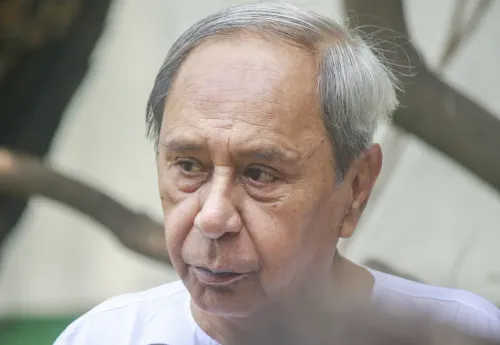
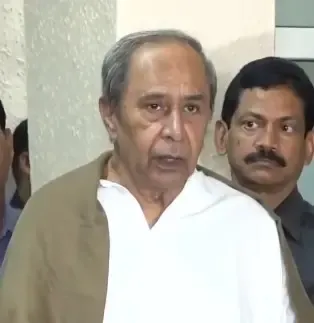
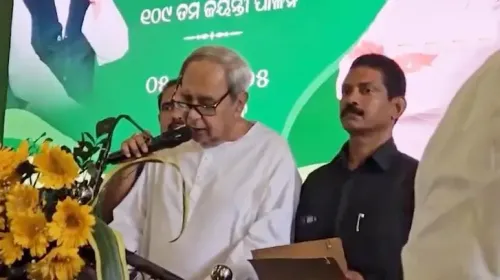
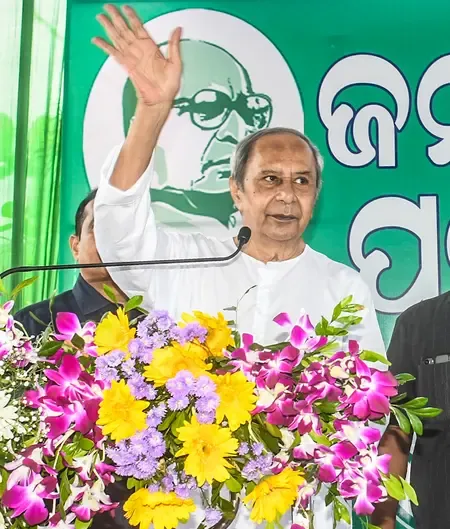
Biju Janata Dal (BJD) President and Odisha Leader of the Opposition in Lok Sabha Naveen Patnaik on Friday, 18 September 2026, called for safeguarding the interests of the common man and small traders as political opposition to the newly introduced 0.4 per cent Merchant Discount Rate (MDR) on certain Unified Payments Interface (UPI) transactions above ₹2,000 intensified. Patnaik made the remarks upon his arrival at Biju Patnaik International Airport in Bhubaneswar, responding to media queries on the brewing controversy.
What Patnaik Said
Addressing reporters at the airport, Patnaik emphasised that shopkeepers and small merchants — the backbone of India's informal economy — must not bear the burden of new charges on digital payments. He did not elaborate specific policy demands but his intervention signals that the MDR issue is gaining traction beyond the Congress and could become a broader opposition rallying point ahead of upcoming political cycles.
Congress Draws Sharper Lines
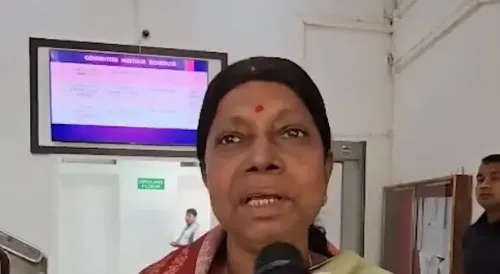
The Odisha Congress had, a day earlier, mounted a sharper attack on the Centre. Senior Congress leader Sonali Sahoo alleged at a press conference on Thursday that the central government had been 'resorting to various tactics to extract money from poor workers, labourers and the working class for the past 12 years.' She argued that imposing a charge on UPI transactions above ₹2,000 compounded hardship for a public already struggling under rising inflation, and drew a provocative historical parallel, comparing the MDR to the Jizya tax.
Sahoo further alleged that the charge was linked to pressure from the United States Trade Representative (USTR), claiming that US-based companies such as Google Pay, Amazon, and Visa had raised concerns over the free UPI framework through Washington. The allegation has not been independently verified, and the government has not publicly acknowledged any such external pressure.
What the Finance Ministry Clarified
The Finance Ministry issued a detailed explainer on Tuesday in an attempt to limit the political fallout. According to the ministry's clarification, person-to-person (P2P) transfers will remain completely free irrespective of the amount transferred. Payments to merchants up to ₹2,000, as well as all transactions covered under the existing zero-MDR framework for small merchants, will also continue without any charge.
The ministry noted that the 0.4 per cent MDR, introduced by the National Payments Corporation of India (NPCI), will apply only to specified merchant transactions exceeding ₹2,000. Consequently, approximately 96 per cent of all person-to-merchant transactions are expected to remain unaffected. Critics argue, however, that even a small charge on larger transactions could discourage digital adoption among mid-tier traders.
Why This Debate Matters
India's UPI network processed over 100 billion transactions in the past year, making it one of the world's largest real-time payment systems. The zero-MDR policy, in place since 2020, was widely credited with accelerating merchant adoption, particularly among small businesses and street vendors. Any perceived rollback — even a partial one — carries symbolic weight in a policy environment where digital payments have become a flagship government narrative. This is not the first time MDR has sparked controversy; the 2020 abolition itself came after sustained industry lobbying and government consultations. The current charge, critics argue, risks reversing that momentum.
What Happens Next
With Patnaik and the Congress now publicly aligned on protecting small traders, the government faces mounting pressure to provide greater clarity on implementation — particularly regarding which merchant categories fall under the zero-MDR exemption. Industry bodies and digital payments advocates are expected to push for a broader consultation before the framework takes full effect.
Point of View
Frictionless transactions. The Finance Ministry's 96% exemption figure is meant to reassure, but it sidesteps the real question: why did a flagship public infrastructure shift toward a revenue-generating model at all, and who ultimately absorbs the cost on that remaining 4%? The USTR allegation by Congress, unverified as it is, will gain traction in a charged political environment. Patnaik's entry into the debate — ideologically distinct from Congress — suggests this is becoming a cross-party liability, not merely an opposition talking point.
NationPress
18 Sept 2026
Frequently Asked Questions
What is the new UPI MDR charge announced by NPCI?
The National Payments Corporation of India (NPCI) has introduced a 0.4 per cent Merchant Discount Rate (MDR) on certain UPI transactions above ₹2,000 made to specified merchants. Person-to-person transfers and payments to small merchants under the zero-MDR framework remain completely free.
Will everyday UPI transactions be affected by the new MDR?
According to the Finance Ministry, approximately 96 per cent of all person-to-merchant UPI transactions will remain unaffected. The charge applies only to merchant transactions above ₹2,000 outside the zero-MDR exemption framework.
Why is Naveen Patnaik opposing the UPI MDR?
BJD President Naveen Patnaik has urged protection of the common man and small traders — such as shopkeepers — arguing their interests should not be compromised by the new charge. He made the remarks on 18 September 2026 at Bhubaneswar airport while responding to media queries.
What has the Congress said about the UPI MDR charge?
The Odisha Congress, through senior leader Sonali Sahoo, has strongly criticised the charge, comparing it to the historic Jizya tax. Sahoo also alleged that pressure from US companies via the USTR prompted the government to introduce charges on UPI transactions, though this claim has not been independently verified.
What did the Finance Ministry clarify about UPI charges?
The Finance Ministry said on Tuesday that person-to-person UPI transfers remain free regardless of amount, and payments to merchants up to ₹2,000 are also free. MDR at 0.4 per cent will apply only to specified merchant transactions exceeding ₹2,000, leaving the vast majority of users unaffected.