How Did NCB Achieve a 7-Year Sentence for Three Individuals Involved in Chemical Diversion?

Synopsis
In a decisive ruling, a Special NDPS Court in Gujarat sentenced three executives to seven years in prison for diverting pharmaceutical precursors used in illegal drug manufacturing. This significant verdict underscores the commitment to combatting drug-related crimes and highlights the importance of thorough investigations by the Narcotics Control Bureau.
Key Takeaways
The court sentenced three individuals to seven years in prison .
Each convict was fined Rs 1.5 lakh .
The case involved the diversion of pseudoephedrine , a controlled substance.
Investigation highlighted serious lapses in record-keeping by the company.
This ruling reinforces the NCB's commitment to combat drug-related crimes.
Ahmedabad, Jan 12 (NationPress) A Special NDPS Court in Gujarat has sentenced three individuals to seven years of rigorous imprisonment for their involvement in the diversion of pharmaceutical precursors used in illegal drug production, according to an official from the Narcotics Control Bureau (NCB) on Monday.
The court, located in Savarkundla, District Amreli, Gujarat, found Alps Life Sciences Pvt Ltd from Sonipat, Haryana, and its three senior executives guilty. Each was also fined Rs 1.5 lakh, as stated by the NCB official.
The investigation uncovered intentional falsification of manufacturing and export records, highlighting the active participation of senior officials from the company.
The individuals convicted in this case include Sumit Kumar, Managing Director, Sumit Kumar, Store In-charge, Dhanesh Chamoli, Authorized Chief Chemist-cum-Production Manager, along with the company itself, Alps Life Sciences.
The case was pursued under Sections 9A, 25A, 26, 29, 35, and 38 of the NDPS Act, 1985, and relevant provisions of the NDPS (Regulation of Controlled Substances) Order, 2013.
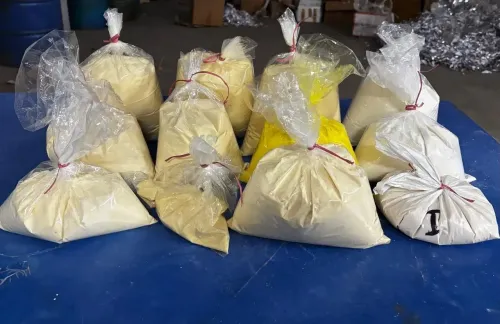
Investigation by the NCB Ahmedabad Zonal Unit focused on the diversion of pseudoephedrine, a controlled substance as per the Narcotic Drugs and Psychotropic Substances (NDPS) Act, 1985.
A complaint against the accused and the company was submitted to the court on November 24, 2023.
During the legal proceedings, the accused attempted to obtain bail from various judicial bodies, including the Supreme Court of India. However, due to the severity of their actions, the potential transnational impacts of precursor diversion, and the robust evidence provided by the NCB, the bail requests were denied, reinforcing the seriousness of the crime.
This conviction serves as a strong warning that the diversion of pharmaceutical precursors and the abuse of legitimate drug manufacturing processes will not be tolerated. The successful resolution of this case underscores NCB’s professional investigation efforts, inter-agency collaboration, and persistent legal follow-up, further emphasizing its commitment to dismantling drug supply networks.
Point of View
It is vital to recognize the gravity of the recent court ruling regarding the diversion of pharmaceutical precursors. This conviction not only demonstrates the judicial system's commitment to addressing drug-related offenses but also highlights the NCB's diligent investigation efforts. It is a crucial step towards ensuring the integrity of the pharmaceutical industry and safeguarding public health.
NationPress
16 Sept 2026
Frequently Asked Questions
What was the outcome of the court case?
The Special NDPS Court in Gujarat sentenced three individuals to seven years of rigorous imprisonment for their role in diverting pharmaceutical precursors for illegal drug manufacturing.
What company was involved in the case?
The company involved was Alps Life Sciences Pvt Ltd, based in Sonipat, Haryana.
What penalties were imposed?
Each of the three convicts was fined Rs 1.5 lakh along with their prison sentences.
What substances were involved in the diversion?
The case centered around the diversion of pseudoephedrine, which is classified as a controlled substance under the NDPS Act.
How did the court respond to bail requests?
The court denied bail requests from the accused due to the serious nature of the offenses and the evidence provided by the NCB.