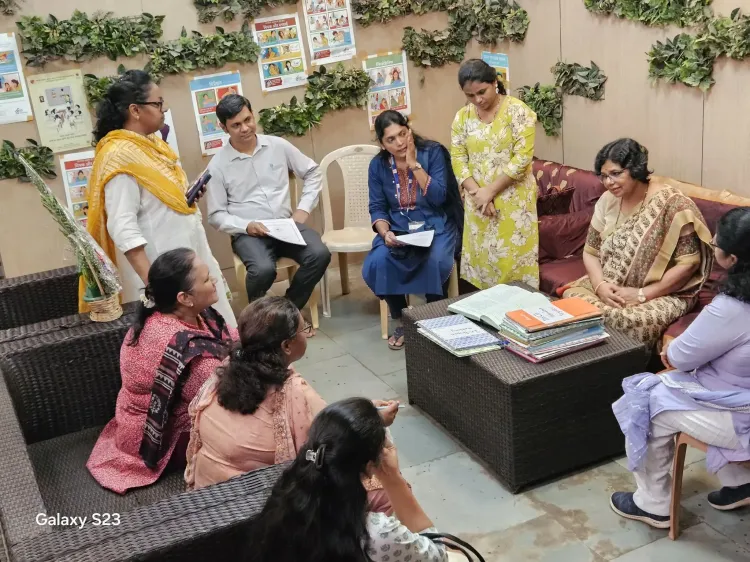
NCW chief Vijaya Rahatkar reviews KEM Hospital's One Stop Centre for women
Synopsis
NCW Chairperson Vijaya Rahatkar's visit to Mumbai's KEM Hospital One Stop Centre wasn't just a routine inspection — it coincided with a landmark push to ban parole for rape and POCSO convicts, triggered by the Nasrapur case in Pune where a 65-year-old on parole allegedly raped and murdered a four-year-old girl.
Key Takeaways
NCW Chairperson Vijaya Rahatkar visited the One Stop Centre at KEM Hospital, Parel, Mumbai on 9 May 2025 .
She reviewed the medical room, counselling room, and temporary shelter facility, and offered suggestions to address operational shortcomings.
The NCW is set to recommend a complete prohibition on parole for convicts in rape, aggravated sexual assault, and serious POCSO offences.
Proposed safeguards include mandatory risk assessment , electronic monitoring, and survivor consultation before any temporary release.
The push for parole reform was triggered by the Nasrapur case in Pune district , where a 65-year-old man allegedly raped and murdered a four-year-old girl .
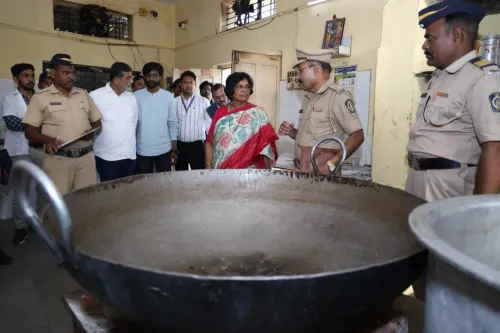
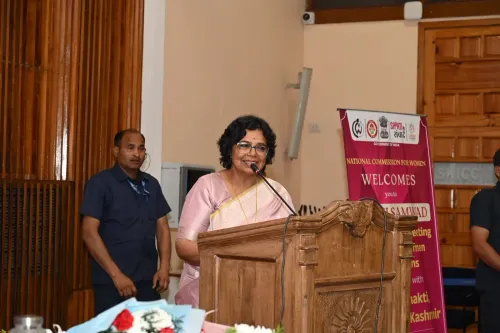
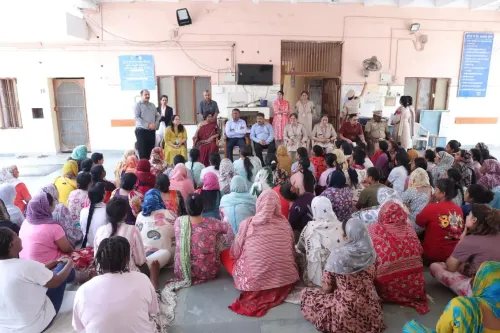
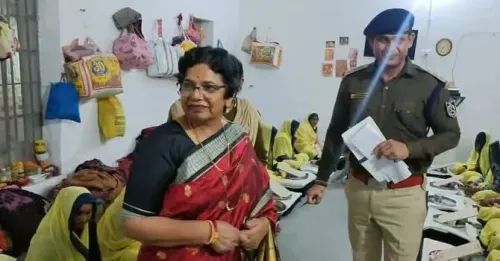
National Commission for Women (NCW) Chairperson Vijaya Rahatkar on Saturday, 9 May visited KEM Hospital in Mumbai and reviewed the operations of the government-run One Stop Centre (OSC) meant for women affected by violence. The visit included an inspection of the medical examination room, counselling room, and temporary shelter facility at the Parel-based centre.
What Rahatkar Observed at the Centre
During the inspection, Rahatkar interacted with staff and offered suggestions to address operational shortcomings. "Visited the One Stop Centre operating in the KEM Hospital premises at Parel in Mumbai. It was satisfying to see the medical room, counselling room, temporary shelter facility, and the overall pleasant environment at the centre," she said in a social media post.
She added that "appropriate suggestions were also given to the concerned officials regarding the resolution of some necessary shortcomings" after reviewing the centre's operations.
What One Stop Centres Do
One Stop Centres are government-funded facilities designed to support women affected by violence — whether in private or public spaces, within the family, at the community level, or at the workplace. They serve women facing physical, sexual, emotional, psychological, and economic abuse, irrespective of age, class, caste, education, marital status, race, or culture.
NCW's Push to Tighten Parole Rules
The visit comes close on the heels of Rahatkar's decision to recommend to the Central government a complete prohibition on parole for individuals convicted in cases of rape, aggravated sexual assault, and other serious offences against women and children.
According to an official statement, the proposed recommendations may include amendments to prison and parole rules to classify rape, aggravated sexual assault, repeat sexual offences, and serious offences under the Protection of Children from Sexual Offences (POCSO) Act as categories ineligible for parole or temporary release. The Commission may also recommend mandatory risk assessment, strengthened police verification, electronic monitoring, and consultation with survivors or their families before any temporary release is granted.
Nasrapur Case as Catalyst
Rahatkar expressed concern over the existing parole framework in the wake of the Nasrapur sexual assault case in Pune district, in which a 65-year-old man reportedly raped and murdered a four-year-old girl. She observed that the incident "has raised serious concerns regarding public safety and the confidence of women and girls in society," adding that "the protection, dignity, and security of women and children must remain paramount" in such cases.
The NCW's twin-track approach — on-ground review of support infrastructure and policy-level reform on parole — signals a broader push to strengthen the institutional response to crimes against women.
Point of View
Particularly for sexual offenders. If the NCW's recommendations are adopted, they could mark the most significant tightening of parole norms for sex offenders since POCSO's enactment. The harder question — whether the Centre will legislate or merely issue advisories — remains unanswered, and that distinction will determine whether this reform has teeth.
NationPress
26 Sept 2026
Frequently Asked Questions
Why did NCW Chairperson Vijaya Rahatkar visit KEM Hospital in Mumbai?
Rahatkar visited KEM Hospital in Parel, Mumbai on 9 May 2025 to review the operations of the government-run One Stop Centre for women affected by violence. She inspected the medical room, counselling room, and shelter facility, and offered suggestions to improve services.
What is a One Stop Centre for women?
A One Stop Centre is a government-funded facility that provides integrated support to women facing physical, sexual, emotional, psychological, or economic abuse. These centres serve women regardless of age, caste, class, or marital status, and offer medical, legal, and psychological assistance.
What parole reform is the NCW recommending?
The NCW is set to recommend a complete ban on parole for individuals convicted of rape, aggravated sexual assault, repeat sexual offences, and serious POCSO Act offences. Additional safeguards proposed include mandatory risk assessment, electronic monitoring, and consultation with survivors before any release.
What is the Nasrapur case and why is it significant?
The Nasrapur case refers to an incident in Pune district where a 65-year-old man allegedly raped and murdered a four-year-old girl. The case has raised serious concerns about the existing parole framework and prompted the NCW to push for stricter restrictions on temporary release of sex offenders.
Who is eligible for support at One Stop Centres?
Any woman affected by violence — in private or public spaces, at home, in the community, or at the workplace — can access One Stop Centres. They are open to women of all ages, castes, classes, education levels, and marital statuses.