NCW chief Vijaya Rahatkar explains women's right to file Zero FIR
Synopsis
NCW Chairperson Vijaya Rahatkar used a post on X to remind women that a Zero FIR can be filed at any police station — not just where the crime occurred — and shared a practical pamphlet on what to do if police refuse. A day earlier, she launched a 12-camp leadership training programme for over 300 elected women representatives across Maharashtra.
Key Takeaways
NCW Chairperson Vijaya Rahatkar on 30 August urged women to exercise their right to file a Zero FIR at any police station for any cognisable offence.
A Zero FIR is transferred to the jurisdictionally relevant station after registration; women can escalate to a senior officer if police refuse to register it.
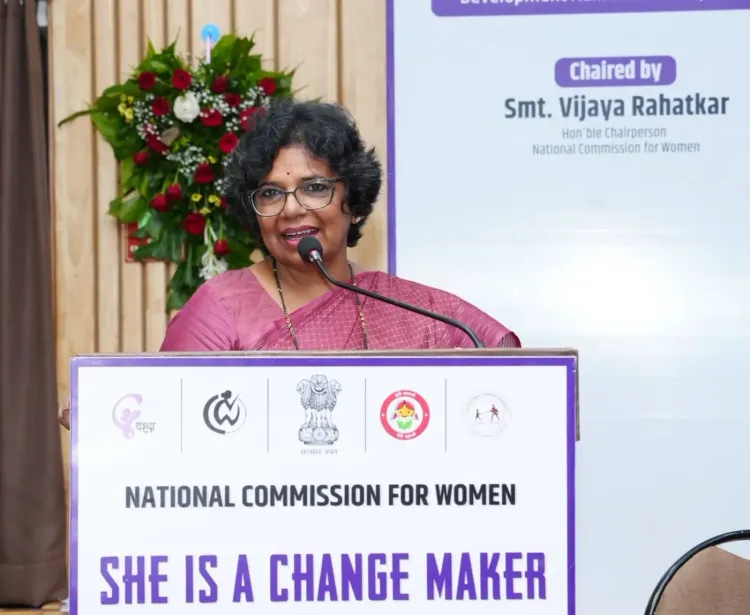
Rahatkar launched the 'She Is a Change Maker' initiative at MGM Medical College, Chhatrapati Sambhajinagar , in collaboration with YASHDA .
More than 300 women representatives from Chhatrapati Sambhajinagar , Jalna , and Beed attended the inaugural workshop.
The NCW plans 12 training camps across Maharashtra with support from the state government.
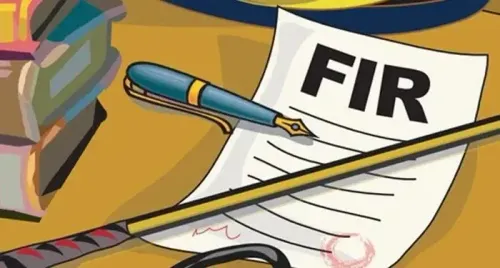
National Commission for Women (NCW) Chairperson Vijaya Rahatkar on Sunday, 30 August urged women across India to stay informed about their legal right to file a Zero FIR — a complaint for any cognisable offence that can be lodged at any police station, regardless of where the incident took place. Rahatkar shared the advisory via a post on X, accompanied by an informational pamphlet aimed at making the process accessible to women.
What Is a Zero FIR and How It Works
A Zero FIR allows a victim to register a complaint at the nearest or most convenient police station, even if the offence occurred in a different jurisdiction. 'Zero FIR is your right! You can file a complaint for any cognizable offence at your nearest police station, regardless of where the incident occurred,' Rahatkar said in her post.
Once a Zero FIR is registered, the case is automatically transferred to the police station that has territorial jurisdiction over the area where the crime occurred. Rahatkar also outlined what women should do if authorities are uncooperative: 'If the police refuse to register the FIR, submit a written complaint and contact a senior police officer,' she said, adding that women must not hesitate to assert their rights.
Capacity-Building Workshop in Maharashtra
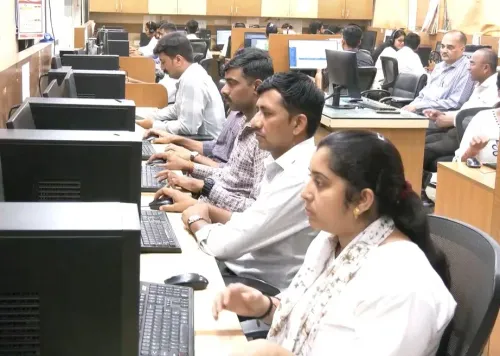
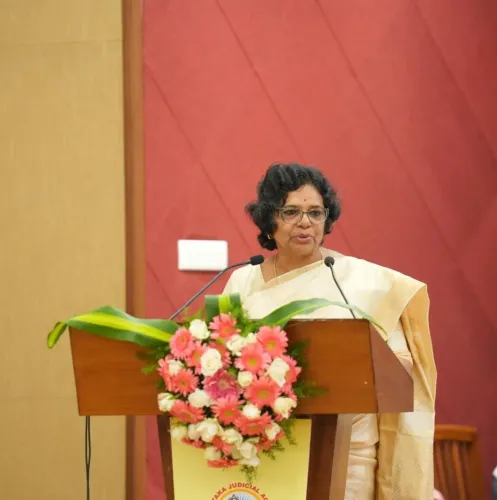
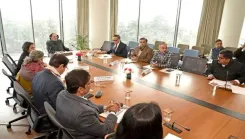
The Zero FIR awareness drive followed a capacity-building workshop that Rahatkar chaired a day earlier for elected women representatives from panchayats and urban local bodies in Maharashtra. The event, held at MGM Medical College in Chhatrapati Sambhajinagar, was organised under the NCW's 'She Is a Change Maker' initiative in collaboration with Yashwantrao Chavan Academy of Development Administration (YASHDA).
More than 300 women representatives — including sarpanchs, district council members, panchayat samiti members, and those elected to municipal councils and corporations — from Chhatrapati Sambhajinagar, Jalna, and Beed districts participated in the inaugural camp.
Scope of the 'She Is a Change Maker' Initiative
The NCW, with support from the Maharashtra government through YASHDA, plans to organise 12 such training camps across the state. Rahatkar described the initiative as a structured effort to build leadership capacity at the grassroots level, with the Chhatrapati Sambhajinagar camp serving as the launch event.
Discussions at the workshop focused on the role and responsibilities of an ideal woman representative — covering timely participation in meetings, regular village visits to understand citizens' concerns, and maintaining transparency in the management of funds, files, and government schemes.
What the NCW Wants Elected Women to Do Differently
Rahatkar outlined a clear set of expectations for elected women representatives: maintaining positive coordination with administrative officers, continuously monitoring scheme implementation, and upgrading their knowledge through workshops and training. 'Work while upholding honesty, discipline, and the spirit of public welfare,' she said.
This comes amid a broader national push to strengthen women's participation in local governance, where representation has grown but effective leadership capacity remains uneven. The NCW's twin focus — legal rights awareness and governance training — signals an effort to address both dimensions simultaneously. With 11 more camps still to be held across Maharashtra, the initiative's reach and impact will be closely watched.
Point of View
Particularly in rural areas. The fact that the NCW Chairperson felt compelled to issue a pamphlet-based explainer suggests that police literacy campaigns have not done enough. Pairing legal awareness with the 'She Is a Change Maker' governance training is a coherent dual strategy — but 12 camps across a state of Maharashtra's size is a modest start. The real test is whether elected women representatives, once trained, can actually enforce accountability in their jurisdictions without institutional pushback.
NationPress
30 Aug 2026
Frequently Asked Questions
What is a Zero FIR and who can file one?
A Zero FIR is a First Information Report that any person can file at any police station for a cognisable offence, regardless of where the crime occurred. After registration, the case is transferred to the police station with territorial jurisdiction over the incident location.
What should a woman do if police refuse to register a Zero FIR?
NCW Chairperson Vijaya Rahatkar has advised women to submit a written complaint and escalate the matter to a senior police officer if the local station refuses to register the FIR. Women are encouraged not to hesitate in asserting this legal right.
What is the NCW's 'She Is a Change Maker' initiative?
It is a capacity-building programme launched by the National Commission for Women in collaboration with YASHDA and the Maharashtra government to train elected women representatives from panchayats and urban local bodies. The NCW plans 12 training camps across Maharashtra, with the first held in Chhatrapati Sambhajinagar on 30 August.
Who participated in the Chhatrapati Sambhajinagar workshop?
More than 300 elected women representatives — including sarpanchs, district council members, panchayat samiti members, and municipal councillors — from Chhatrapati Sambhajinagar, Jalna, and Beed districts participated in the inaugural camp.
Why is the NCW focusing on Zero FIR awareness now?
Despite being a legal right, the Zero FIR provision remains poorly understood by many women, particularly in rural areas. The NCW is using social media outreach and printed pamphlets to bridge this awareness gap and ensure women know how to access justice regardless of where a crime occurs.