NEET-PG 2026: 2.73 lakh candidates to appear across 1,300 centres on Sunday
Synopsis
With 2,73,183 candidates registered — a 12.5% jump over last year — NEET-PG 2026 is the largest edition yet. The government has deployed over 60,000 personnel, iris-based biometrics, and signal jammers across 1,300 centres, signalling a zero-tolerance stance on malpractice after past controversies.
Key Takeaways
NEET-PG 2026 will be held on 31 August 2026 across 1,300 centres in 340 cities in a single shift.
2,73,183 candidates have registered — an increase of over 12.5% compared to the previous year.
The exam pattern has been revised to 180 questions in 210 minutes , allowing more time per question.
Security measures include CCTV surveillance , signal jammers , biometric verification , and deployment of over 60,000 examination personnel .
Aadhaar-based authentication and iris-based biometric verification (as backup) introduced for the first time.
Nadda warned candidates that any claim of prior access to the question paper is 'entirely false.'
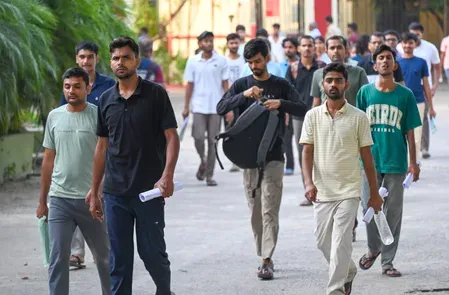
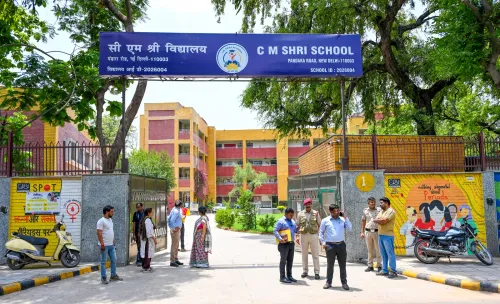
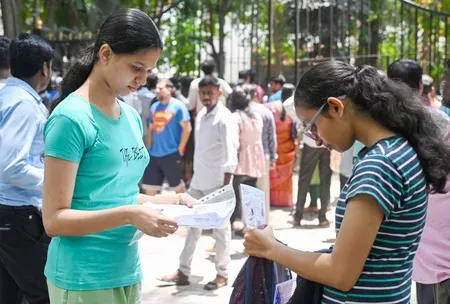
The National Eligibility-cum-Entrance Test-Post Graduate (NEET-PG 2026) is set to be conducted on Sunday, 31 August 2026, across 1,300 examination centres in 340 cities nationwide, with 2,73,183 registered candidates expected to appear — a rise of over 12.5 per cent compared to the previous year. The exam will be held in a single shift, officials confirmed.
Key Exam Details
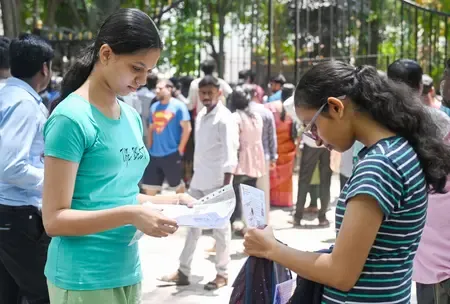
The National Board of Examinations in Medical Sciences (NBEMS) released the NEET-PG 2026 admit card on 26 August. The examination pattern has been revised to 180 questions to be completed within 210 minutes, giving candidates more time per question than in earlier iterations. Clearing NEET-PG enables doctors to secure postgraduate seats in government and private medical colleges for courses including MD (Doctor of Medicine) and MS (Master of Surgery).
Security Framework and Anti-Fraud Measures
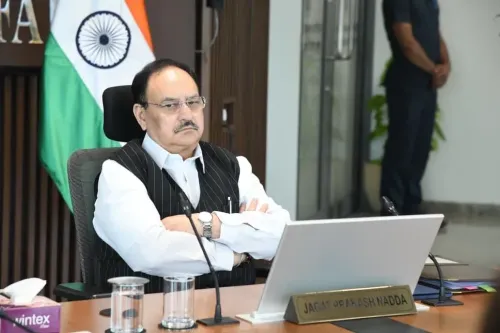
Union Minister for Health and Family Welfare J.P. Nadda chaired a high-level review meeting to assess the preparedness of NBEMS, technology partners, and other agencies involved in conducting the examination. He directed all stakeholders to ensure a smooth, secure, transparent, and technology-enabled process.
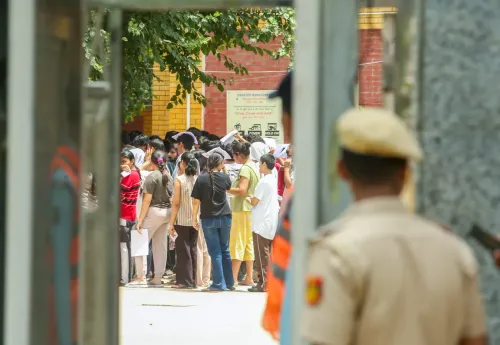
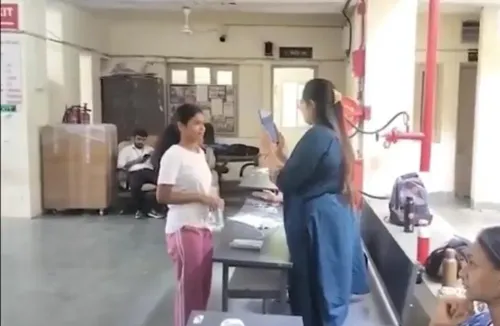
The security architecture for this year's exam includes CCTV surveillance, biometric verification, frisking, signal jammers, dynamic computer allocation, and live monitoring through central and regional command centres. More than 60,000 examination personnel have been deployed across centres.
Nadda warned candidates against rumours and fraudulent claims, stating that the final question paper is selected through a 'highly secure, encrypted and time-bound process' shortly before the exam begins, with multiple technological and operational safeguards ensuring confidentiality. 'Any claim of prior access to the question paper by anyone is therefore entirely false and intended to mislead candidates,' Nadda said.
Student-Centric Reforms This Year
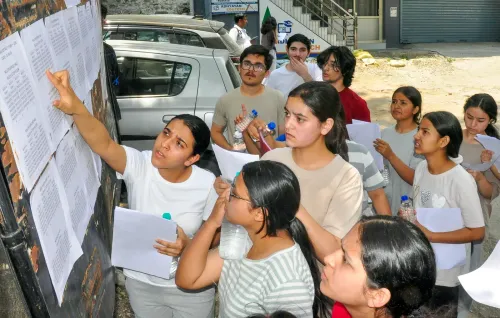
Several candidate-friendly measures have been introduced for NEET-PG 2026. Candidates were allowed to indicate three state preferences for test centres, with their correspondence state as the mandatory first preference. Information about the test city was communicated nearly three weeks in advance, giving aspirants adequate time to plan travel and accommodation.
Aadhaar-based authentication has been integrated at both the registration and examination stages. Iris-based biometric verification will serve as a backup where fingerprint authentication fails — a first for NEET-PG.
Context and Significance
The 12.5 per cent jump in registrations underscores growing demand for postgraduate medical seats in India, even as the country continues to grapple with a shortage of specialist doctors in tier-2 and tier-3 cities. This year's exam comes after previous editions faced controversy over alleged paper leaks and procedural lapses, making the government's emphasis on a multi-layered security framework particularly significant. Notably, NBEMS has been progressively digitising the examination process over the last three cycles. Candidates have been advised to rely only on official communications from NBEMS and the Ministry of Health and Family Welfare and to promptly report any suspicious activity.
Point of View
Iris scans, 60,000-plus personnel — is a direct response to the credibility crisis that engulfed NEET-UG in 2024. The 12.5 per cent surge in registrations shows demand for specialist medical seats is outpacing supply, a structural problem that no exam reform alone can fix. The real question is whether NBEMS's technology stack can hold under the pressure of 2.73 lakh simultaneous test-takers across 340 cities — because a single high-profile irregularity would hand critics another round of ammunition. The shift to 180 questions in 210 minutes is a welcome candidate-centric tweak, but the absence of a public, post-exam transparency mechanism — such as live grievance redressal — remains a gap.
NationPress
29 Aug 2026
Frequently Asked Questions
When and where is NEET-PG 2026 being held?
NEET-PG 2026 is being conducted on Sunday, 31 August 2026, across 1,300 examination centres in 340 cities throughout India, in a single shift. The NBEMS released admit cards on 26 August 2026.
How many candidates registered for NEET-PG 2026?
A total of 2,73,183 candidates registered for NEET-PG 2026, representing an increase of more than 12.5 per cent over the previous year's registration figures.
What are the new student-friendly changes in NEET-PG 2026?
The exam pattern has been revised to 180 questions in 210 minutes, giving candidates more time per question. Candidates could also indicate three state preferences for test centres, and city allotment was communicated nearly three weeks in advance to aid travel planning.
What security measures are in place for NEET-PG 2026?
The exam uses CCTV surveillance, signal jammers, biometric verification, dynamic computer allocation, and live monitoring via central and regional command centres. Over 60,000 examination personnel have been deployed. Aadhaar-based authentication and iris-based biometric verification (as a fingerprint backup) have also been introduced.
Why did Union Minister J.P. Nadda warn candidates about rumours?
Nadda cautioned that fraudulent claims about prior access to the question paper are 'entirely false,' noting that the final paper is selected through an encrypted, time-bound process with multiple safeguards shortly before the exam begins. He urged candidates to rely only on official NBEMS and Ministry of Health communications.