Bihar NDA reservation rift: Chirag Paswan vs Manjhi on SC/ST quota changes
Synopsis
An NDA family feud over SC/ST reservations has broken into the open in Bihar, with Union Minister Chirag Paswan directly confronting allies Jitan Ram Manjhi and Santosh Suman over their push for sub-categorisation and a creamy layer. With both sides claiming to champion Dalit interests, the split reveals how reservation reform can fracture even a ruling coalition from within.
Key Takeaways
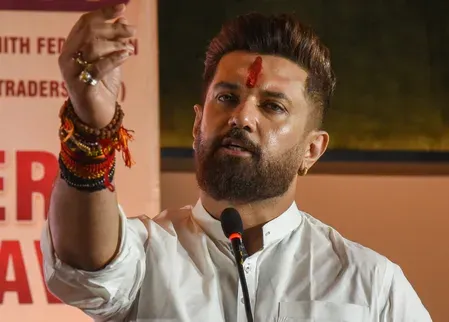
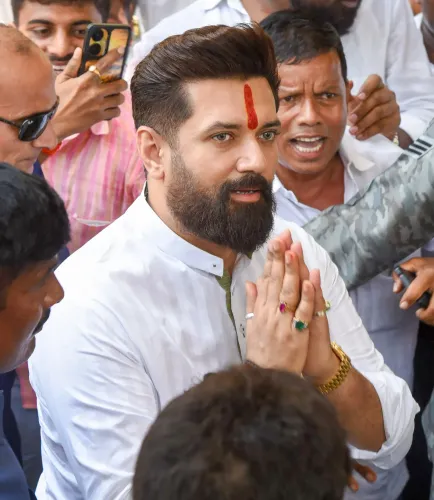
Union Minister Chirag Paswan publicly opposed NDA allies Jitan Ram Manjhi and Santosh Suman on 29 August over SC/ST reservation reform.
Paswan rejected the 'creamy layer' provision for SC/ST quotas, calling it a dilution of the policy's anti-discrimination purpose.
Manjhi and Suman are pressing for sub-categorisation — a 'quota within a quota' — to ensure benefits reach the most deprived communities.
Paswan demanded any changes be debated in Parliament , not reduced to political rhetoric.
The rift exposes competing Dalit political interests within the NDA in Bihar , with state elections on the horizon.
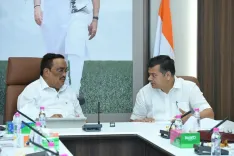
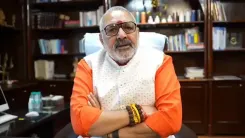
A sharp internal disagreement over Scheduled Caste (SC) and Scheduled Tribe (ST) reservation policy has surfaced within the National Democratic Alliance (NDA) in Bihar, with Union Minister Chirag Paswan publicly clashing with former Chief Minister Jitan Ram Manjhi and state minister Santosh Suman over their push to restructure the quota system. The dispute came to a head on Saturday, 29 August, underscoring the fault lines that reservation politics can open even within a ruling coalition.
What Chirag Paswan Said
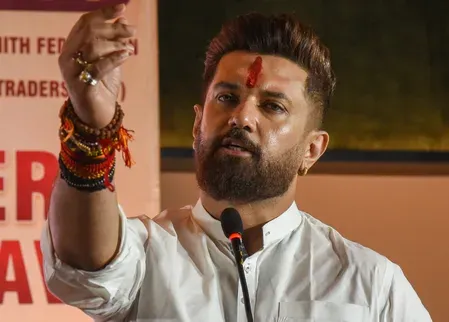
Paswan mounted a forceful defence of the existing SC/ST reservation framework, rejecting calls to introduce a 'creamy layer' provision — a means-based exclusion criterion already applicable to Other Backward Classes (OBC) reservations. He argued that SC/ST reservation was not designed around economic status but to redress centuries of social discrimination, exclusion, and untouchability. Those advocating a creamy layer, he said, should first resign from their positions before making such demands.
Paswan also insisted that any proposal to alter the constitutional framework was too sensitive to be reduced to political rhetoric and must instead be debated in Parliament. He further turned on the Indian National Congress (Congress), questioning Leader of the Opposition in Lok Sabha Rahul Gandhi on why social discrimination persisted after Congress's long tenure in power.
The Manjhi-Suman Position
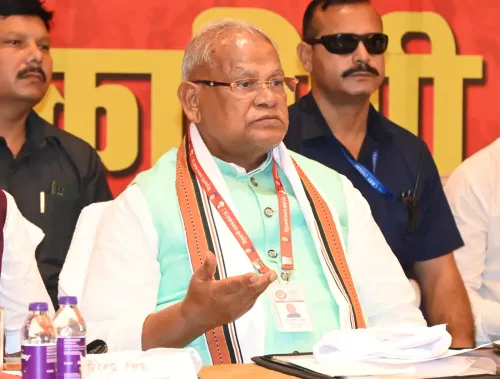
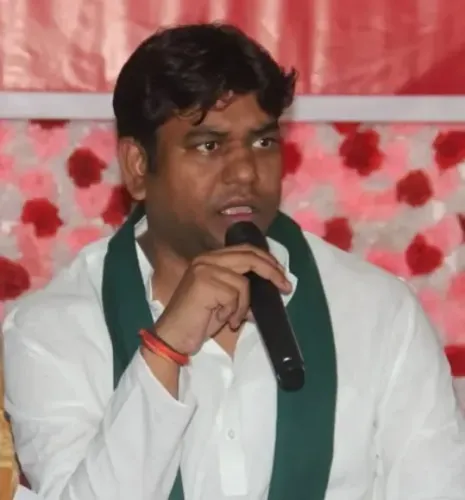
Manjhi and his son Santosh Suman have been pressing for sub-categorisation of SC/ST reservations — effectively a 'quota within a quota' — arguing that benefits have disproportionately accrued to certain communities while others remain deprived. Suman clarified that their demand was not aimed at dismantling reservations but at ensuring the most marginalised groups received their fair share.
The sub-categorisation debate is not new: the Supreme Court of India ruled in August 2024 that states have the authority to sub-categorise SC reservations, giving fresh momentum to advocates of the reform. Manjhi and Suman's position broadly aligns with that ruling.
Why This Matters for Bihar Politics
The disagreement carries significant weight in Bihar's Dalit electoral landscape. Both Paswan's Lok Janshakti Party (Ram Vilas) and Manjhi's Hindustani Awam Morcha (Secular) — both NDA constituents — compete for influence among marginalised communities, but now differ sharply on the future architecture of reservation. This is the kind of wedge issue that can reshape caste coalitions ahead of state elections.
Notably, this internal friction surfaces at a time when the broader national debate on reservation reform has intensified following the Supreme Court's sub-categorisation verdict. The Bihar episode reflects a wider tension within the NDA between allies who draw their base from overlapping Dalit constituencies.
What Happens Next
Whether the NDA's constituent parties can converge on a common position remains uncertain. Paswan's insistence on a parliamentary debate effectively delays any immediate policy move, while Manjhi and Suman's public pressure keeps the issue alive in Bihar's political discourse. Observers will watch whether the disagreement remains rhetorical or escalates into a formal coalition stress point ahead of the next electoral cycle.
Point of View
Yet their disagreement is as much about political turf as it is about policy. Bihar's Dalit voters will be watching which position delivers tangible outcomes, not just louder rhetoric.
NationPress
13 Oct 2026
Frequently Asked Questions
What is the NDA reservation dispute in Bihar about?
The dispute centres on whether SC/ST reservations should be restructured through sub-categorisation or a 'creamy layer' provision. Union Minister Chirag Paswan opposes any such changes, while NDA allies Jitan Ram Manjhi and Santosh Suman argue that benefits have not reached all communities equally and want a 'quota within a quota' system.
What is sub-categorisation of SC/ST reservations?
Sub-categorisation means dividing the existing SC/ST quota into smaller categories so that the most deprived communities within those groups get a guaranteed share. The Supreme Court of India ruled in August 2024 that states have the authority to implement such sub-categorisation.
Why is Chirag Paswan opposed to a creamy layer for SC/ST reservations?
Paswan argues that SC/ST reservation was designed to address historical social discrimination, untouchability, and exclusion — not economic status. He contends that introducing a means-based creamy layer would dilute the policy's original constitutional purpose and should not be decided outside of Parliament.
Who are Jitan Ram Manjhi and Santosh Suman in Bihar politics?
Jitan Ram Manjhi is a former Chief Minister of Bihar and leader of the Hindustani Awam Morcha (Secular), an NDA constituent. Santosh Suman is his son and a state minister. Both have been publicly demanding sub-categorisation of SC/ST reservations to ensure benefits reach the most marginalised Dalit communities.
Could this dispute affect the NDA's coalition in Bihar?
The disagreement raises questions about whether NDA's constituent parties can align on a common position on reservation policy. With Bihar's Dalit electorate divided between competing party interests, the rift could deepen if not managed before the next state electoral cycle.