NEET protest success a wake-up call for NDA govt, says Wangchuk's wife
Synopsis
Sonam Wangchuk's 26-day hunger strike over the NEET paper leak ended with the government providing a written assurance: no FIR or force against protesters, compensation for families of students who died by suicide, and a parliamentary debate on educational reforms. His wife Gitanjali Angmo calls it a success — but warns it is only the first step.
Key Takeaways
Sonam Wangchuk ended a 26-day hunger strike on 23 July over the NEET paper leak and educational reform demands.
The government provided a written assurance of no FIR, lathi charge, or legal action against protesters, including those at the 20 July Parliament march and Jantar Mantar .
Families of students who died by suicide during the NEET paper leak will receive compensation , per the government's written commitment.
Educational reforms proposed by the movement will be discussed in Parliament during the ongoing Monsoon Session .
Wangchuk's wife Gitanjali J Angmo described the outcome as 'just the first step,' signalling the campaign for reform will continue.
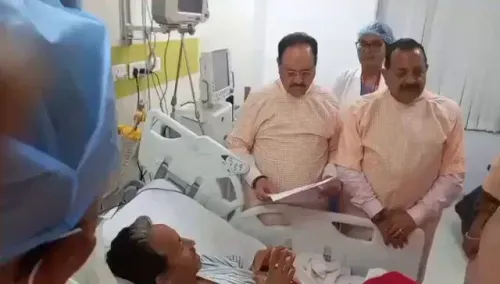
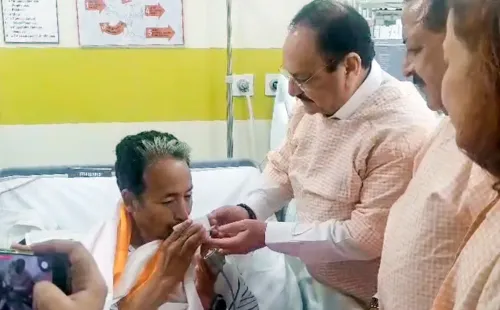
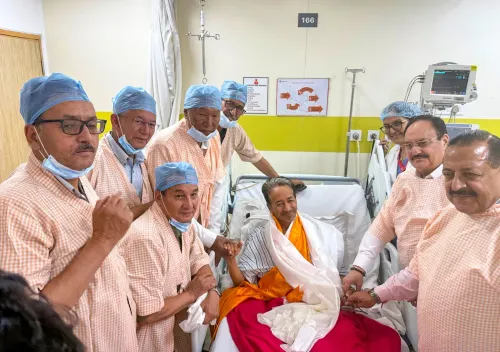
Wangchuk is currently on liquids and recovering, with a gradual transition to solid food planned.
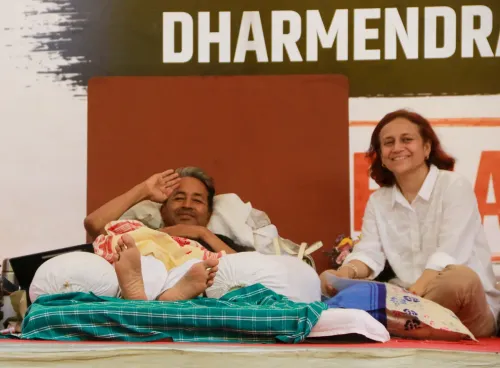
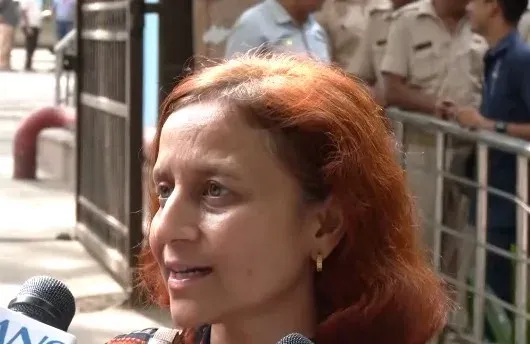
Gitanjali J Angmo, wife of climate activist Sonam Wangchuk, on 24 July declared the 26-day hunger strike agitation demanding accountability over NEET paper leaks and educational reforms a success, expressing hope that the nationwide solidarity shown by citizens serves as a 'wake-up call' for the National Democratic Alliance (NDA) government at the Centre.
Key Developments
Speaking to reporters in Gurugram a day after Wangchuk ended his fast, Angmo said the government had provided a written assurance that no legal action would be taken against protesters who participated in the 20 July Parliament march or those still agitating at Jantar Mantar.
'No FIR, lathi charge, or undue force will be used against anyone,' she stated, adding that families of students who died by suicide during the NEET paper leak episode would be provided compensation. She confirmed that exam and educational reforms proposed by the movement would be discussed in Parliament, with the government's commitment 'written, signed and given to us.'
What the Government Assured
According to Angmo, the written assurance covers three key commitments: protection from legal action for all protesters, compensation for families of suicide victims linked to the NEET paper leak, and a parliamentary discussion on educational reforms. She noted that political leaders across party lines — from the ruling alliance as well as the Opposition — have pledged to raise these issues during the ongoing Monsoon Session of Parliament.
Angmo also emphasised that Wangchuk's intervention secured a specific written confirmation from the government ensuring student leaders face no punitive action, calling it a significant protective outcome for those at the forefront of the movement.
Broader Significance of the Agitation
Angmo framed the movement's reach as far exceeding the immediate issue of exam irregularities. 'The NEET paper leak was just a symptom — the causes behind it existed in all systems, and not only in education but also including judiciary,' she said, positioning the protest as a referendum on systemic accountability across institutions.
She claimed the agitation drew support from across India, describing it as 'a representative of the common man's regular sufferings.' Notably, this is the second major national protest in recent years to centre on examination integrity, reflecting persistent public anxiety over the credibility of competitive exams that determine access to higher education for millions of students.
Wangchuk's Recovery
On the health of Sonam Wangchuk, who had sustained the hunger strike for 26 days, Angmo said he is currently on liquids as his digestive system is gradually restarted. He is expected to transition to semi-solids and then solid food in the coming days, she said.
What Comes Next
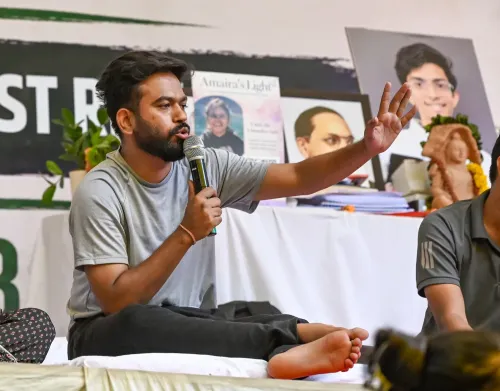
Student leaders are expected to decide on the future course of the protest after consulting with the government. Angmo stressed that the current outcome is only 'the first step' and that the push for educational reform will continue. Whether Parliament translates the written assurances into concrete legislative or policy action during the Monsoon Session will determine the movement's lasting impact.
Point of View
But the NEET agitation's real test begins now — in the committee rooms and floor debates of Parliament, not at Jantar Mantar. The Centre has repeatedly promised examination reform after previous paper leak scandals without systemic follow-through. The fact that cross-party support materialised so quickly suggests the political cost of inaction has risen, but political consensus in Parliament and actual institutional change are very different things. The movement's framing of NEET as a symptom of broader judicial and administrative decay is its most ambitious — and most difficult — demand to operationalise.
NationPress
23 Oct 2026
Frequently Asked Questions
Why did Sonam Wangchuk go on a hunger strike?
Sonam Wangchuk undertook a 26-day hunger strike to demand accountability over the NEET paper leak and push for comprehensive educational reforms in India. The protest also sought protection for student demonstrators from legal action by authorities.
What did the government agree to in writing?
The government provided a written assurance covering three commitments: no FIR, lathi charge, or legal action against protesters; compensation for families of students who died by suicide during the NEET paper leak; and a parliamentary discussion on educational reforms. Gitanjali Angmo confirmed the document was 'written, signed and given' to the movement.
Who is Gitanjali J Angmo?
Gitanjali J Angmo is the wife of climate and education activist Sonam Wangchuk. She spoke to reporters in Gurugram on 24 July, a day after Wangchuk ended his hunger strike, to outline the outcomes of the agitation.
Will the NEET protest continue?
Student leaders are expected to meet with the government to decide the next steps. Angmo stressed that the current assurances are 'just the first step' and that the push for educational reform will continue across the country.
What is the current health status of Sonam Wangchuk?
Wangchuk is recovering after ending his 26-day fast and is currently on liquids while his digestive system is gradually restarted. He is expected to move to semi-solids and then solid food over the coming days, according to his wife.